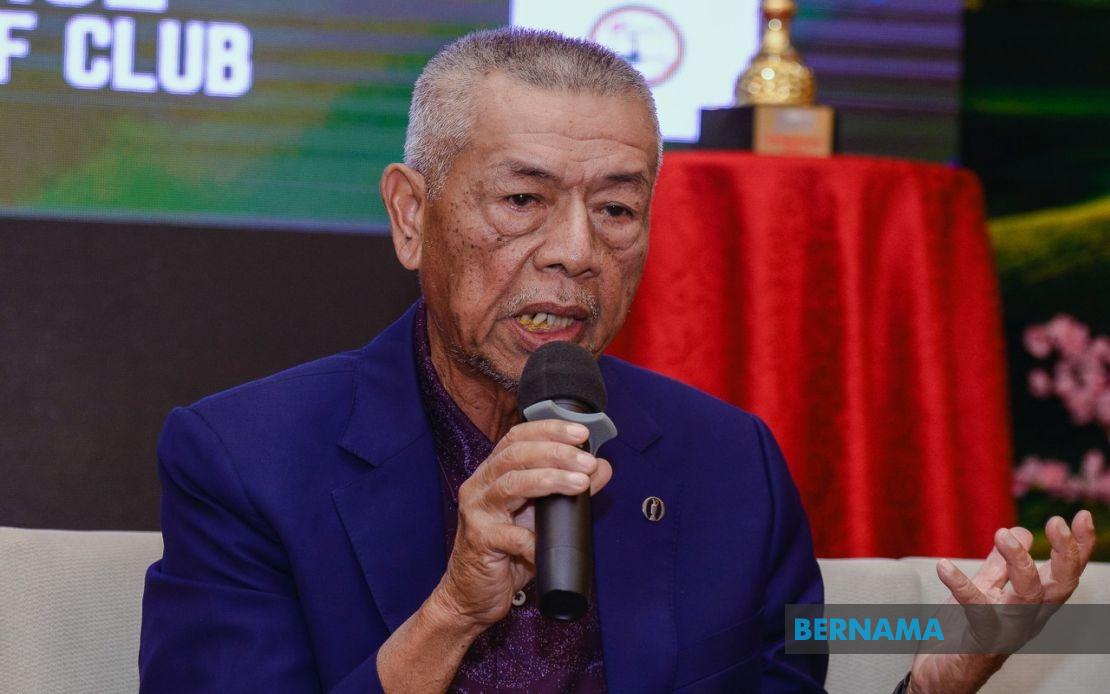
The Malaysian Golf Association has initiated formal discussions with the Ministry of Youth and Sports to establish a dedicated full-time national coach position, recognizing this infrastructure gap as critical to the country's competitive prospects at the 2027 SEA Games. During a media briefing at The Mines Resort & Golf Club in Serdang, MGA president Tan Sri Mohd Anwar Mohd Nor outlined how the association raised this recruitment challenge during meetings with KBS secretary-general Datuk Rahimi Ismail, viewing the appointment as foundational to constructing a coherent long-term development pathway for Malaysian golfers.
The push for a high-calibre coaching appointment reflects deeper structural concerns within Malaysian golf as the country prepares to host one of Southeast Asia's premier sporting events. Mohd Anwar emphasized that recruiting experienced international or elite-level coaching talent would enable the association to design comprehensive training schedules and performance frameworks previously constrained by the absence of permanent specialist oversight. The timing of this initiative—with nearly two years until the September 2027 Games—signals MGA's intention to maximize preparation windows and establish measurable performance benchmarks against regional competitors.
Coordination between government sports agencies represents another crucial dimension of MGA's strategy. The association is actively engaging with both the Ministry of Youth and Sports and the National Sports Council to navigate funding, facility access, and programme implementation across multiple initiatives. These organizational partnerships are essential since Malaysian sports development relies on government support mechanisms for athlete grants, training facility allocation, and international competition funding. Without streamlined collaboration between these bodies, resource constraints could undermine even well-intentioned preparation plans.
Beyond coaching appointments, MGA has designed a layered preparation architecture encompassing multiple geographical and programmatic elements. The association is exploring training opportunities in Sarawak, reflecting a deliberate decision to leverage different regional facilities and climatic conditions for athletic adaptation. Tan Sri Mohd Anwar recently consulted with Sarawak's Minister of Youth, Sports and Entrepreneur Development, Datuk Seri Abdul Karim Rahman Hamzah, to identify practical support mechanisms and training locations that could benefit national squad development. This decentralized approach recognizes that Malaysia's diverse golfing landscapes—from coastal courses to highland layouts—offer varied competitive conditions valuable for conditioning national players.
The broader significance of these preparations extends beyond individual medals or rankings. As host nation, Malaysia faces elevated expectations to demonstrate competitive strength in home-grown sports and to project sophisticated sports administration on the regional stage. Golf carries particular importance given the sport's profile and the quality of regional competition, particularly from Thailand and Vietnam, which have invested significantly in coaching infrastructure and player development academies. A well-prepared Malaysian contingent would signal effective sports governance and provide home spectators with competitive excitement.
The National Junior Development Programme launch, announced concurrently with these organizational initiatives, illustrates MGA's commitment to talent pipeline development alongside senior team enhancement. The 100PLUS sponsorship of the NJDP Junior Series 2026 demonstrates private sector engagement in grassroots development, creating pathways from junior competition through to senior representation. This multi-layered approach—simultaneous investment in youth talent identification, senior team coaching, and structured competition—reflects contemporary best practices in sports talent development systems.
Financial sustainability presents an underlying challenge not explicitly detailed in MGA's public statements but implicit in government funding appeals. Establishing permanent coaching positions requires sustained budget allocation that extends beyond individual tournament cycles. The association's engagement with the Ministry of Youth and Sports essentially requests medium-term financial commitment—a significant ask in competitive budgeting environments where multiple sports pursue similar resources. Success likely depends on demonstrating clear return-on-investment calculations and evidence of improved competitive performance following coaching appointments.
Regional competitive context makes this timing particularly strategic. The 2027 SEA Games represent a meaningful competitive checkpoint where Malaysia's golfers will face established rivals from Thailand, Indonesia, and the Philippines in front of home audiences. Preparation quality often correlates directly with results; nations that establish coaching infrastructure 18-24 months before major competitions typically outperform those relying on ad-hoc preparations. MGA's proactive approach positions Malaysian golf competitively compared to wait-and-see strategies some associations adopt.
The emphasis on coach calibre—specifically seeking "high calibre" specialists—indicates MGA leadership understands that coaching effectiveness varies substantially. International experience, technical expertise in modern swing analysis and sports science, and familiarity with regional playing conditions and competitor strengths all influence coaching impact. Malaysian golf has historically struggled attracting premium international coaching talent, potentially due to compensation constraints or limited training infrastructure. Securing government support for permanent positions could alter this recruitment equation by providing stable employment terms attractive to experienced professionals.
Looking forward, the success of these preparation initiatives will depend partly on institutional follow-through and partly on competitive developments within Malaysian golf itself. Identifying and developing individual players capable of competing at SEA Games levels requires talent identification systems working in parallel with coaching infrastructure. The junior development programme addresses this pipeline concern, but converting young talent into competitive seniors demands consistency in support systems extending across multiple years. MGA's current emphasis on structural foundations suggests leadership recognizes that sustainable competitive improvement requires institutional investment rather than reliance on individual talent emergence.