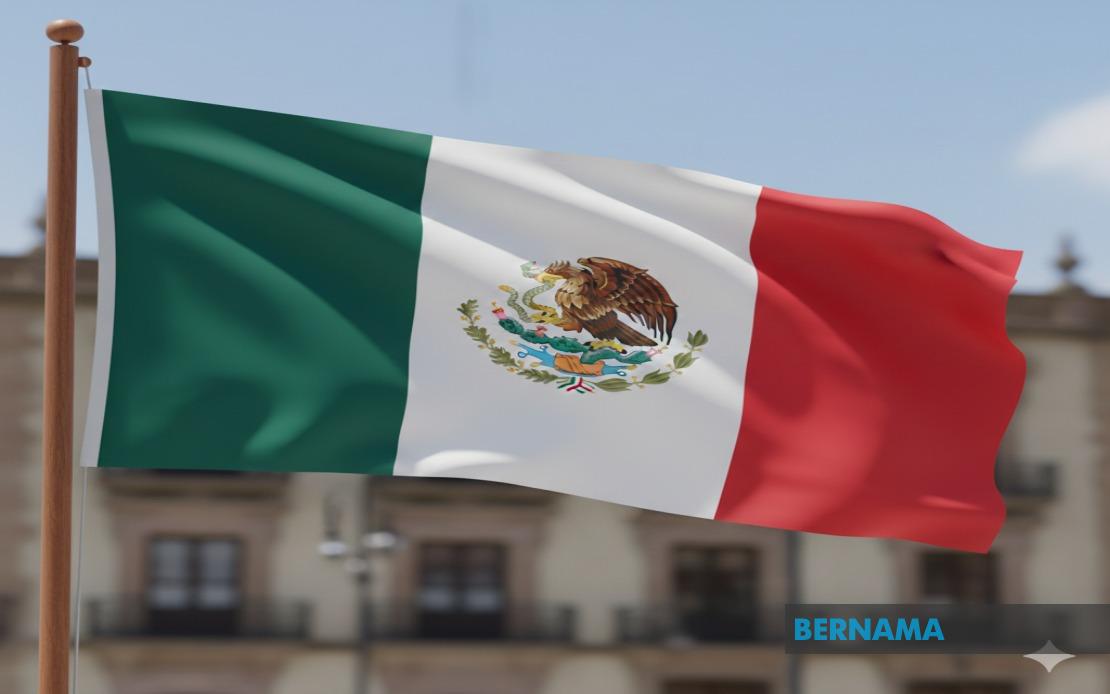
Mexico is taking its grievances over the deaths of its citizens during United States immigration enforcement operations to the international stage, with Foreign Minister Roberto Velasco formally requesting that the UN High Commissioner for Human Rights investigate the incidents. The move represents a significant shift in Mexico's approach, moving beyond traditional diplomatic channels to seek accountability through the UN system and preparing parallel legal action through its own courts and the US justice system.
Velasco's letter to High Commissioner Volker Türk specifically asks the UN body to examine the circumstances surrounding the deaths and to request detailed information from American authorities about what occurred. The request seeks a comprehensive review that would determine whether these incidents align with the United States' obligations under international human rights law. The High Commissioner's office has been asked not only to examine the cases but also to issue formal recommendations and, if warranted, escalate the matter to relevant special procedures within the UN Human Rights Council.
The timing of this diplomatic escalation comes after Mexican President Claudia Sheinbaum declared last week that Mexico would move beyond purely diplomatic responses and pursue legal remedies against those involved in the deaths. This represents a notable hardening of Mexico's stance on a sensitive bilateral issue. The Mexican government has documented that at least three of its citizens have been killed during ICE operations themselves, while another 14 Mexican nationals have died while in immigration detention custody. These figures underscore the scale of the issue confronting Mexico's government.
Mexico's legal strategy operates on multiple fronts simultaneously. The Mexican Attorney General's Office is preparing a formal complaint to be filed directly with the US Justice Department, which will be submitted through official diplomatic channels via the Mexican embassy in Washington. Simultaneously, the embassy and Mexican consulate offices throughout the United States have begun filing complaints with state-level prosecutors in jurisdictions where deaths have occurred, establishing a paper trail of official grievances and ensuring local authorities are aware of Mexico's formal objections.
One particularly significant step involves the cease-and-desist letters that Mexico has begun sending to detention facilities implicated in these cases. The first such letter was directed at the Adelanto detention facility in California, a facility that has faced previous scrutiny for conditions and treatment of detainees. Mexican officials have characterized these letters as the opening move in a potential civil litigation strategy, suggesting that Mexico may pursue lawsuits in American courts if negotiations and diplomacy do not yield satisfactory results.
The most recent and high-profile incident that prompted this escalation involved Lorenzo Salgado Araujo, a Mexican citizen who was fatally shot by ICE officers on July 7 in Houston. Salgado Araujo had established deep roots in the Houston area over more than thirty years, operating a successful construction business and maintaining family ties in the community. According to the Department of Homeland Security's account, Salgado Araujo ignored officers' commands, used his vehicle to strike a law enforcement car, and then attempted to strike an officer directly with his vehicle, prompting an ICE officer to open fire.
However, this official narrative has been contested by Salgado Araujo's family members, civil rights advocacy organizations, and Democratic politicians in Texas, all of whom have called for an independent investigation separate from DHS's internal review. These groups question whether lethal force was the appropriate response and suggest that alternative de-escalation tactics might have been available to officers. The dispute over what happened reflects broader tensions in the United States regarding immigration enforcement tactics and the use of force by federal agents.
For Malaysia and Southeast Asian observers, Mexico's approach offers instructive parallels to how middle-income nations can leverage international human rights mechanisms to protect their citizens abroad. While Malaysia has not faced identical situations with ICE, Malaysian citizens have occasionally encountered difficulties during immigration processes in various countries. Mexico's strategy of combining bilateral diplomatic pressure, domestic legal action, and UN human rights mechanisms demonstrates how countries can create multiple pressure points simultaneously without severing essential relationships with more powerful trading partners.
The situation also highlights the growing complexity of immigration enforcement in North America and the spillover effects on neighboring states. As the United States continues to pursue aggressive deportation policies, Mexico faces the dual challenge of managing deportation flows returning to its territory while also protecting the rights and safety of its nationals within US borders. This balancing act requires careful navigation of diplomatic relationships that have importance far beyond immigration issues.
Mexico's willingness to pursue legal action through the US justice system reflects confidence in American courts' willingness to hear cases critical of government agencies—a confidence that stems from America's robust legal traditions. However, securing meaningful accountability for ICE operations has historically proven difficult, as federal law enforcement agencies often receive broad deference in use-of-force cases. Mexico's decision to escalate to the UN level signals that bilateral pressure alone has proven insufficient and that international scrutiny may be necessary to prompt genuine changes in enforcement practices.
The success of Mexico's UN complaint will depend significantly on how seriously the High Commissioner's office treats the referral and whether its investigation can uncover facts not contained in official US government accounts. Independent investigations by UN special rapporteurs have previously been critical of various countries' law enforcement practices, though enforcement of recommendations relies on the willingness of national governments to implement changes. Mexico appears to be betting that sustained international attention, combined with legal pressure domestically in the US and through its own courts, will create sufficient incentive for policy modifications in how ICE conducts operations affecting Mexican nationals.

