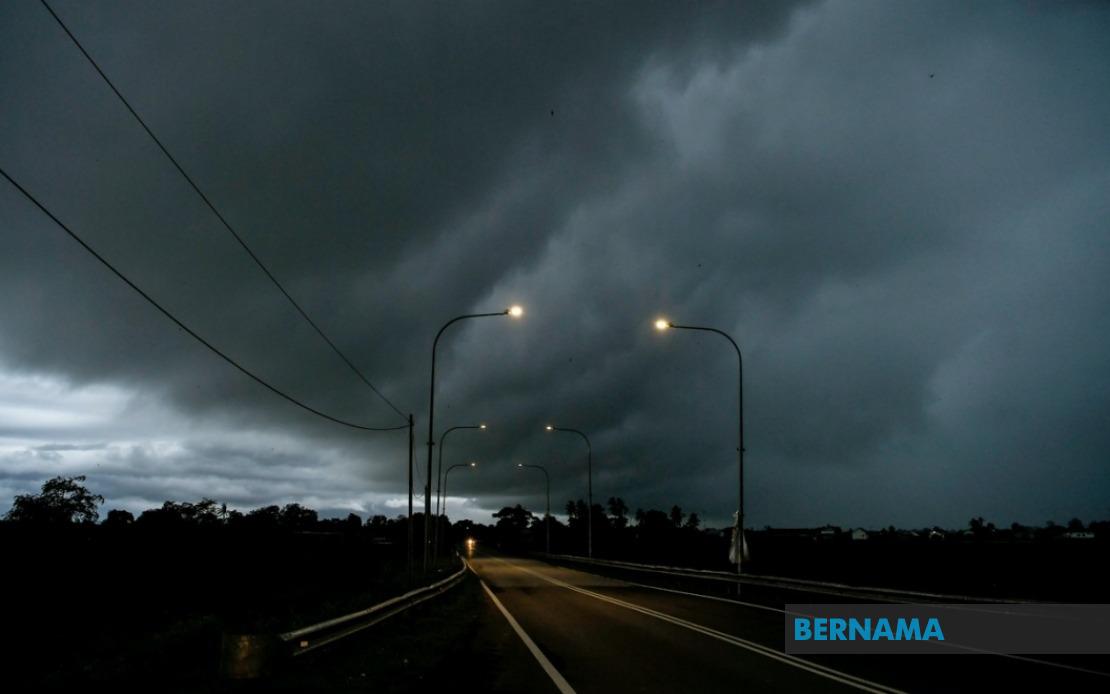
Malaysia's weather authority has issued a significant alert for widespread thunderstorm activity across the western corridor of Peninsular Malaysia, advising residents and commuters in affected areas to exercise heightened caution throughout the morning hours. The Malaysian Meteorological Department's warning, active until 12 pm, encompasses a substantial swath of populated regions that includes major commercial and residential centers, signaling potentially disruptive weather patterns that could impact daily activities across the region.
The warning zone stretches across the northern and central portions of Peninsular Malaysia, with Kedah positioned at the geographical apex of the affected area. Within Kedah, the specific districts of Kuala Muda and Yan have been flagged as vulnerable to the impending weather system. Neighbouring Penang, a densely populated state that serves as a critical economic hub, falls within the alert parameters, potentially affecting millions of residents and visitors in the island state and its surrounding areas. Perak, which experiences significant seasonal weather variations, faces threats in its western districts, particularly Bagan Datuk, an area known for its agriculture and industrial operations.
Selangor, the nation's most populous state, bears particular significance in this warning due to its concentration of commercial activity, infrastructure, and residents. The meteorological alert identifies eight separate localities across Selangor requiring heightened vigilance: Klang, the historic port city that remains economically vital; Kuala Langat, a southern district with substantial manufacturing activity; Sepang, home to critical aviation and technology infrastructure; Kuala Selangor, an area combining residential and industrial development; Petaling, one of the state's most densely inhabited regions; Sabak Bernam, a northern district; and Gombak, which encompasses substantial urban sprawl and serves as a gateway to the Klang Valley. The density of population and economic activity across these Selangor zones underscores the potential scale of disruption should thunderstorms materialize as predicted.
The federal territories of Kuala Lumpur and Putrajaya, both seats of national administrative and commercial power, also fall within the warning boundaries. Kuala Lumpur's metropolitan infrastructure, including its transportation networks, financial centers, and government buildings, could face operational challenges if heavy precipitation and strong winds develop during peak morning hours. Putrajaya's planned administrative hub, though more dispersed than Kuala Lumpur, similarly requires preparedness for potential weather-related disruptions to government operations and services.
A secondary warning tier extends across additional Perak districts until 1 pm, suggesting the weather system may persist longer in northern areas. The affected zones—Kerian, Larut, Matang and Selama, Manjung, Perak Tengah, and Hilir Perak—represent a continuous band across the state. This extended timeframe in Perak indicates that the meteorological department anticipates the weather pattern to progress northward or maintain intensity in these regions for an additional hour beyond the general warning period, potentially reflecting the system's trajectory across the peninsula.
Thunderstorm warnings of this geographical scope and specificity typically reflect atmospheric conditions conducive to rapid convective cloud development, which can produce sudden onsets of intense precipitation, localized wind gusts, and reduced visibility. For Malaysian commuters, these conditions pose substantial risks during morning rush hours, when road networks experience peak utilization. Commercial and industrial operations across the affected states may experience supply chain disruptions if logistics and transportation face weather-related delays.
The inclusion of both urban and rural areas across multiple states in a single alert demonstrates the synoptic-scale nature of the weather system—a feature that distinguishes it from localized thunderstorm activity. Such broad warnings typically prompt precautionary measures from state and local authorities, emergency services, and utility companies, all of which maintain protocols for rapid response to weather-related incidents.
For residents and workers in Kedah, Penang, Perak, Selangor, and the Federal Territories, the alert serves as practical guidance to defer unnecessary outdoor activities, secure loose objects that might be caught by strong winds, and monitor weather updates from MetMalaysia for any extensions or modifications to the warning. Schools, universities, and government offices may implement contingency plans, while construction sites and outdoor events may face temporary suspensions or accelerated timelines to accommodate the expected weather window.
The Malaysian Meteorological Department's issuance of time-specific, district-level warnings reflects the sophisticated forecasting capabilities that enable precision in weather communication. Residents receiving such alerts benefit from actionable information rather than blanket regional warnings, allowing for more proportionate responses calibrated to their immediate geographical context. The distinction between the noon deadline for most areas and the 1 pm extension in selected Perak districts provides additional nuance to the forecast, suggesting varying confidence levels in the timing of weather system progression across different latitude zones.

