Meta's leadership stands accused of deliberately downplaying the ineffectiveness of its teenage safety tools whilst promoting them to the public, as a major antitrust trial intensifies in the United States. With more than three billion users worldwide, the technology giant is defending itself against allegations from a coalition of 29 state attorneys general that it intentionally engineered its platforms to ensnare young users and harvest their personal data, all whilst deceiving the public about the protections it offers. The case has now entered its second week of proceedings and is projected to continue through late September, drawing increased scrutiny to Meta's business practices and product design decisions.
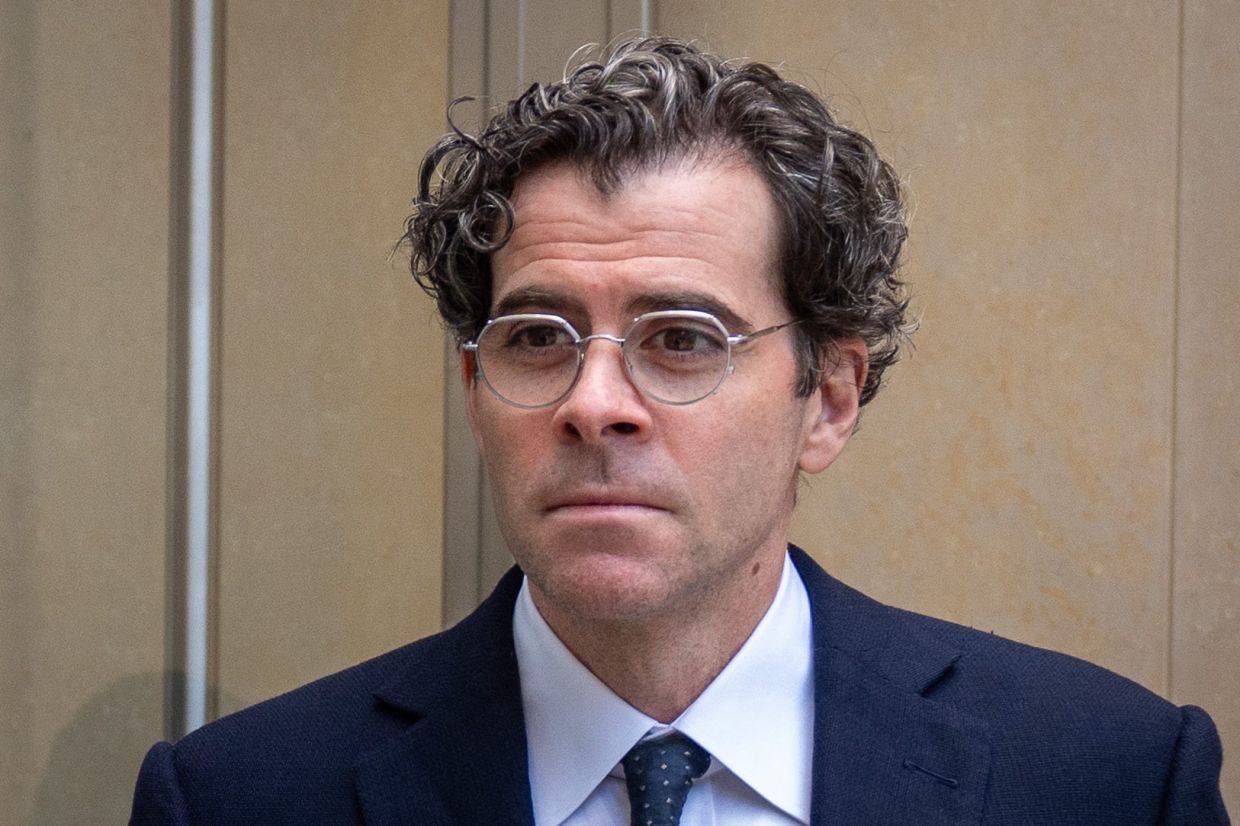
During cross-examination on August 24, Adam Mosseri, the executive overseeing Instagram, came under intense questioning from Colorado Attorney General's office lawyer Jason Slothouber regarding adoption rates for two safety features: Take a Break, introduced in 2021, and Quiet Mode, launched in 2023. These tools were presented as solutions to help teenagers self-regulate their social media consumption, with Take a Break allowing users to set reminders to stop scrolling and Quiet Mode disabling notifications during late evening hours. Yet evidence presented to jurors revealed a starkly different reality, with internal Meta documents showing Take a Break achieved only 1.8 per cent adoption whilst Quiet Mode managed just 8.7 per cent among eligible users.
Mosseri's testimony revealed a discrepancy between how Meta publicly characterised the success of these features and what the company's internal data demonstrated. In a blog post published on December 7, 2021, one day before Mosseri testified before Congress about social media's harmful impacts on young people, the executive claimed that "early test results show that once teens set the reminders, more than 90 per cent of them keep them on." This statistic, however, applied only to users who had already activated the feature, not to the broader teenage user base. When pressed about whether Meta had disclosed the actual adoption figures to the public, Mosseri conceded the company had not, though he suggested adoption had improved since Meta made these tools default settings in Teen Accounts launched in 2024.
Yet even this development appears to represent damage control rather than genuine commitment to teen protection. When queried whether Meta had ever publicly disclosed what percentage of teen accounts actually have parental controls enabled, Mosseri could not recall any such disclosure. This pattern of selective transparency suggests Meta prioritised managing its public reputation over ensuring teenagers genuinely benefited from protective features. Former Meta engineering director Arturo Bejar offered a damning characterisation of Take a Break, testifying that the feature was "designed to fail," indicating awareness within the company that meaningful protection would conflict with its business objectives.
George Volichenko, a data scientist who worked on Instagram's safety features between 2022 and 2023, provided testimony that corroborated concerns about the company's approach. He described adoption rates for the safety tools as "very low and disappointing," likening their reach to "a drop in the ocean" relative to Instagram's massive teenage user base. More significantly, Volichenko revealed that Meta's leadership explicitly rejected turning Quiet Mode on by default for younger teens, a decision that kept the feature hidden and deliberately suppressed usage. The reason provided was striking: enabling such protections by default would cause "notable negative impact" on overall user engagement, directly contradicting any assertion that the company prioritised teenage wellbeing over commercial considerations.
This testimony illuminates the fundamental tension at the heart of Meta's business model. The company's financial success depends on maximising the time users spend scrolling through their feeds, where algorithmic recommendations and targeted advertising generate revenue. Francesco Fogu, Meta's director of product design at Instagram, acknowledged under questioning that the company understood adoption rates would substantially decline if safety features were not activated by default, yet chose to keep them optional and obscured. The judge presiding over the case, Yvonne Gonzalez Rogers, appeared visibly surprised that Fogu claimed ignorance of the internal adoption data, suggesting the testimony strained credibility.
The implications of these revelations extend well beyond a single court case. For Malaysian and Southeast Asian digital stakeholders, this trial underscores the importance of regulatory frameworks that prioritise child protection over corporate convenience. The 29 state attorneys general are seeking penalties of approximately US$200 billion (RM805.46 billion) if Meta is convicted, and legal experts warn that a loss could fundamentally reshape the company's business model and send ripples throughout the technology sector. Such an outcome would likely prompt regulators worldwide, including in Malaysia and across ASEAN, to accelerate their own scrutiny of how technology platforms balance profitability with user safety.
The trial has already heard from multiple former employees who confirmed that Meta's teen safety measures were essentially performative. Beyond Bejar and Volichenko, other witnesses have testified that the tools simply were not effective in their intended purpose. This pattern of testimony builds a compelling narrative suggesting Meta engaged in a calculated strategy: publicising safety initiatives to deflect regulatory criticism whilst quietly ensuring they remained marginal and ineffective relative to engagement-maximisation features. The contrast between Meta's public messaging and internal decision-making represents precisely the kind of corporate deception that underpins the states' legal action.
Mosseri is scheduled to resume testimony on August 26, and Meta founder and chief executive Mark Zuckerberg is also expected to testify, though timing remains uncertain. Zuckerberg's appearance would mark a significant moment in the trial, as he would face direct questioning about whether senior leadership made deliberate choices to subordinate teenage safety to advertising revenue. His testimony could prove crucial in establishing intent, a key element the states must demonstrate to succeed in their antitrust claims. For the technology industry and investors, the trial's outcome will likely determine whether platforms can continue prioritising engagement metrics above all else or whether they must fundamentally redesign their products to accommodate child protection requirements.
For Malaysian readers and regional technology observers, this case carries particular relevance given that Meta's platforms remain among the most widely used in Southeast Asia, with substantial teenage user populations across the region. The outcome may influence how governments across ASEAN approach technology regulation and whether they impose their own requirements for genuine, effective safety features rather than accepting what companies choose to offer. The trial effectively asks whether technology companies can market one product to regulators and parents whilst selling a fundamentally different experience to young users—a question that transcends national borders and touches on fundamental issues of corporate accountability and child protection in the digital age.

