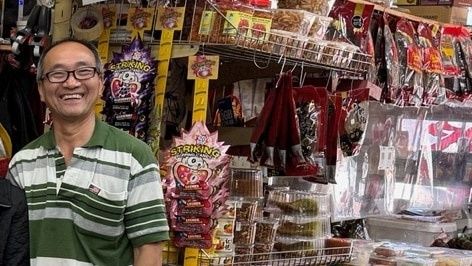
A grocery store owner in western Melbourne has succumbed to injuries sustained during an alleged attack by a group of teenagers, marking a tragic escalation in community safety concerns within the region. Van Viet Truong, aged 60, passed away in hospital on Wednesday afternoon, five days after the incident that occurred in the suburb of Sunshine on August 1. Victoria Police confirmed the death and indicated that the incident will become the subject of court proceedings, with investigators having upgraded charges against one of the accused teenagers.
According to police accounts, Truong intervened after witnessing a street disturbance involving an employee from a neighbouring shop who was allegedly attempting to recover stolen merchandise. This act of assistance proved fatal when he found himself attacked by multiple youths during the altercation. The circumstances surrounding his decision to intervene underscore the unpredictable nature of street violence and the risks ordinary citizens face when confronting criminal activity in public spaces.
Authorities arrested five teenagers in connection with the incident: three boys aged 12, 13, and 15, alongside two girls both aged 14. The initial charges laid against all five included affray, violent disorder, intentionally causing serious injury, and intentionally causing injury. However, subsequent police investigations led to the withdrawal of charges against the 13-year-old boy, reducing the accused group to four individuals. The 15-year-old boy now faces the additional charge of manslaughter, a significant elevation in the criminal allegations that reflects the severity and fatal outcome of the assault.
The death of Truong has refocused attention on the broader youth crime crisis affecting Melbourne's western corridor. Vu Du, president of the Sunshine Business Association, characterised the attack as symptomatic of a deepening problem rather than an anomalous occurrence. Speaking to The Age newspaper, Du highlighted that local business operators and residents operate under increasing anxiety regarding personal safety and the security of their enterprises. This perspective carries particular weight given that business association representatives operate within the affected communities and possess direct knowledge of prevailing conditions.
The incident has mobilised local government officials to demand tangible policy responses. A collective of five mayors representing Melbourne's western suburbs issued a formal call for expanded police presence and extended operating hours at local police stations. The mayors' intervention signals that multiple elected representatives view the situation as sufficiently urgent to warrant public advocacy for law enforcement resource allocation changes. Such coordinated action from local government typically indicates frustration with existing security arrangements and political pressure from constituents demanding greater protection.
The Sunshine suburb where the assault occurred has emerged as a focal point for community safety discussions in recent months. Located in Melbourne's western metropolitan area, Sunshine contains substantial migrant and multicultural communities, including Vietnamese-Australian residents who feature prominently in local business ownership. The apparent targeting of a Vietnamese grocer raises questions about whether ethnicity played any role in the incident, though police have not publicly commented on this dimension. Regardless of motive, the death of an established community member engaged in legitimate commerce represents a profound loss for local social cohesion.
The participation of young teenagers—including children as young as 12 and 13—in violent street altercations reflects deeper sociological concerns about youth development, supervision, and community engagement in Australia. The fact that these individuals were willing to collectively assault an adult attempting to prevent theft suggests either significant desensitisation to violence or profound lapses in parental oversight and social guidance. Victoria's juvenile justice system will face scrutiny as these cases progress, particularly regarding how the courts balance accountability with rehabilitation for young offenders involved in fatal incidents.
For Malaysian readers with family connections to Australia or interest in comparative public safety issues, this incident illustrates challenges facing developed nations with established welfare systems. The escalation of youth violence in affluent democracies contrasts with common assumptions that prosperity automatically generates social stability and low crime rates. Similarly, the willingness of ordinary citizens like Truong to intervene in street crimes reflects values that transcend geographic and cultural boundaries, though such intervention carries demonstrable personal risk in contemporary urban environments.
The investigation's progression—from initial charges to manslaughter allegations—demonstrates how understanding of violent incidents evolves as forensic evidence and witness accounts are fully assessed. The withdrawal of charges against the 13-year-old boy suggests that police conduct rigorous examination of culpability rather than wholesale prosecution of all arrested individuals. This measured investigative approach will likely continue as authorities gather additional evidence that may further clarify the roles and intentions of the remaining accused teenagers.
Looking forward, this case will have implications extending beyond the immediate criminal proceedings. The outcome may influence funding decisions regarding youth intervention programs, police deployment strategies in western Melbourne suburbs, and community perceptions of personal safety. Business owners across the region will likely reassess their protocols for managing confrontations with customers suspected of theft, recognising that intervention carries unpredictable consequences. The death of Van Viet Truong serves as a sobering reminder that community safety requires sustained, multifaceted approaches rather than reactive responses to individual tragic incidents.

