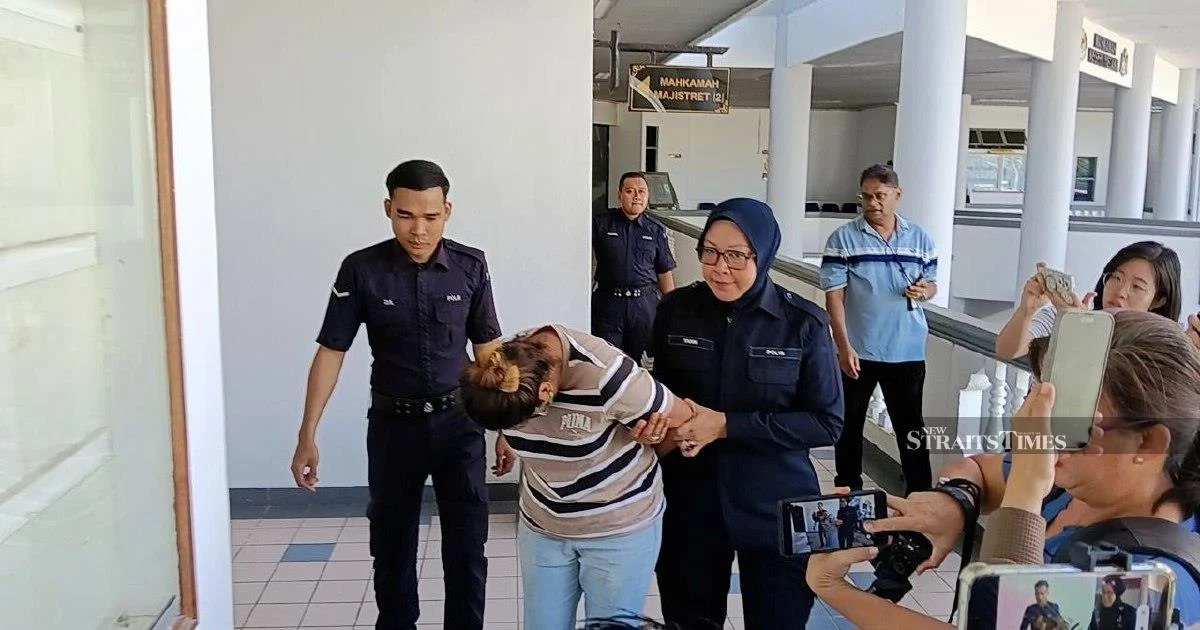
A woman employed as an online seller appeared before the Ayer Keroh magistrate's court in Melaka yesterday to face charges relating to the possession of pornographic material and the non-consensual distribution of digitally altered intimate photographs. The case highlights a growing concern across Malaysia regarding the misuse of image manipulation technology to harass and humiliate individuals through social media platforms.
The defendant was specifically accused of possessing pornographic content and sharing doctored nude photographs of another woman on social media during the previous month. The charges underscore the serious consequences individuals may face when engaging in image-based abuse, a form of harassment that has become increasingly prevalent in the digital age. Such offences carry significant legal ramifications under Malaysian law, reflecting the country's commitment to protecting citizens from cyber harassment and privacy violations.
Image-based abuse, where intimate or manipulated photographs are shared without consent, has emerged as a particularly damaging form of cybercrime affecting victims across Malaysia and the region. The psychological impact on victims often extends beyond the initial violation, with long-term consequences for mental health, social relationships, and professional prospects. The Melaka case demonstrates that authorities are actively pursuing such cases and bringing charges against perpetrators, signalling a strengthened enforcement approach.
The use of freely available image editing software to create convincing doctored photographs has made this form of harassment more accessible to potential offenders. Unlike other forms of cybercrime that may require technical expertise, creating false intimate images requires only basic familiarity with editing applications, making the crime particularly difficult to prevent. This technological accessibility has contributed to the proliferation of such cases in Malaysia and internationally.
Under Malaysian law, distributing such content falls under multiple legislative frameworks. Relevant statutes address both the dissemination of obscene material and the non-consensual sharing of intimate images. Offenders face potential imprisonment and fines, reflecting the severity with which the legal system treats these violations. The prosecution's action in this Melaka case represents the authorities' determination to uphold these protections.
The targeting of victims through doctored images represents a particularly insidious form of harassment because it combines technical deception with malicious intent. Recipients of such images may struggle to verify authenticity, leading to reputational damage and emotional distress. The anonymity afforded by social media platforms can embolden perpetrators to act with relative impunity, though authorities have become increasingly skilled at tracking and identifying offenders through digital forensics.
For online sellers and others conducting business through social media, this case carries cautionary implications about the potential misuse of their platforms and the reputational risks involved. While the defendant's professional status as an online seller may appear incidental to the charges, it reflects how perpetrators sometimes exploit their existing social media presence and networks to distribute harmful content more widely. This underscores the responsibility of individuals with significant online followings to use their platforms responsibly.
The proceedings at the Ayer Keroh magistrate's court represent an important development in Melaka's response to cyber harassment. Local authorities have been increasingly active in pursuing cybercrime cases, recognising that digital offences know no geographical boundaries and that swift action deters similar behaviour. The exposure of such cases through media coverage also serves to raise public awareness about the legal consequences of image-based abuse.
Social media platforms themselves face mounting pressure to address the proliferation of non-consensual intimate imagery on their services. While platforms have implemented reporting mechanisms and removal protocols, enforcement remains inconsistent and often reactive rather than preventative. Malaysian civil society organisations and victim support groups have called for greater cooperation between platforms and law enforcement to identify and remove harmful content more swiftly.
The broader context for this case includes Malaysia's ongoing efforts to strengthen digital governance and cybersecurity frameworks. As more aspects of daily life migrate online, incidents of cyber harassment have increased proportionally. Policymakers and enforcement agencies are grappling with the challenge of protecting fundamental rights to privacy and dignity while balancing concerns about freedom of expression and proportionality in punishment.
Victim support remains a critical gap in Malaysia's response to image-based abuse. While legal remedies exist, many victims remain reluctant to come forward due to shame, fear of stigmatisation, or concerns about the efficacy of police investigations. Advocacy organisations have recommended the establishment of dedicated support services and clearer reporting pathways to encourage more victims to seek justice. The Melaka case demonstrates that when victims do report such offences, the legal system can act decisively.
As the case progresses through the courts, it may establish important precedent regarding how Malaysian courts interpret and apply existing legislation to cases of doctored intimate imagery. Legal experts are watching closely to understand how magistrates and judges balance the seriousness of the offence with sentencing considerations. The outcome may influence how similarly situated cases are handled across Malaysia in coming months.

