Melaka's workplace safety landscape has come under scrutiny following the recording of 277 accidents involving varying degrees of disability across multiple industries in the opening half of 2026. The figures, disclosed by the state's Department of Occupational Safety and Health, paint a picture of an economy grappling with persistent occupational hazards despite regulatory oversight and ongoing compliance efforts from authorities.
Three deaths marked an especially sobering dimension to the statistics. Two fatalities occurred within the construction sector, an industry perennially associated with elevated risk profiles due to the nature of its operations. A third death took place in manufacturing, underscoring how workplace dangers transcend specific sectors and affect diverse economic activities across the state. These losses represent not merely statistical entries but reflect the human cost of inadequate safety measures or unforeseen incidents that slip through existing safeguards.
Ramesh Zakir Shamsul, director of Melaka's Department of Occupational Safety and Health, characterised the overall accident trajectory as remaining "relatively under control," a measured assessment suggesting the state has maintained baseline safety standards without experiencing a dramatic deterioration. However, the qualifier carries implicit recognition that room for improvement persists. The department has positioned itself as a vigilant monitor of industrial and commercial operations, conducting ongoing surveillance to ensure both employers and workers adhere to prescribed occupational safety and health protocols.
Responsibility for reporting workplace incidents falls squarely on employers under existing legal frameworks. Ramesh Zakir emphasised that every accident triggering worker disability or injury must be formally documented, triggering detailed investigations administered under the Occupational Safety and Health Act 1994. This legislative apparatus, spanning more than three decades, establishes the foundational requirements that guide how organisations must conduct operations and respond to incidents, yet its effectiveness depends substantially on implementation and compliance levels across enterprises of varying sizes and sophistication.
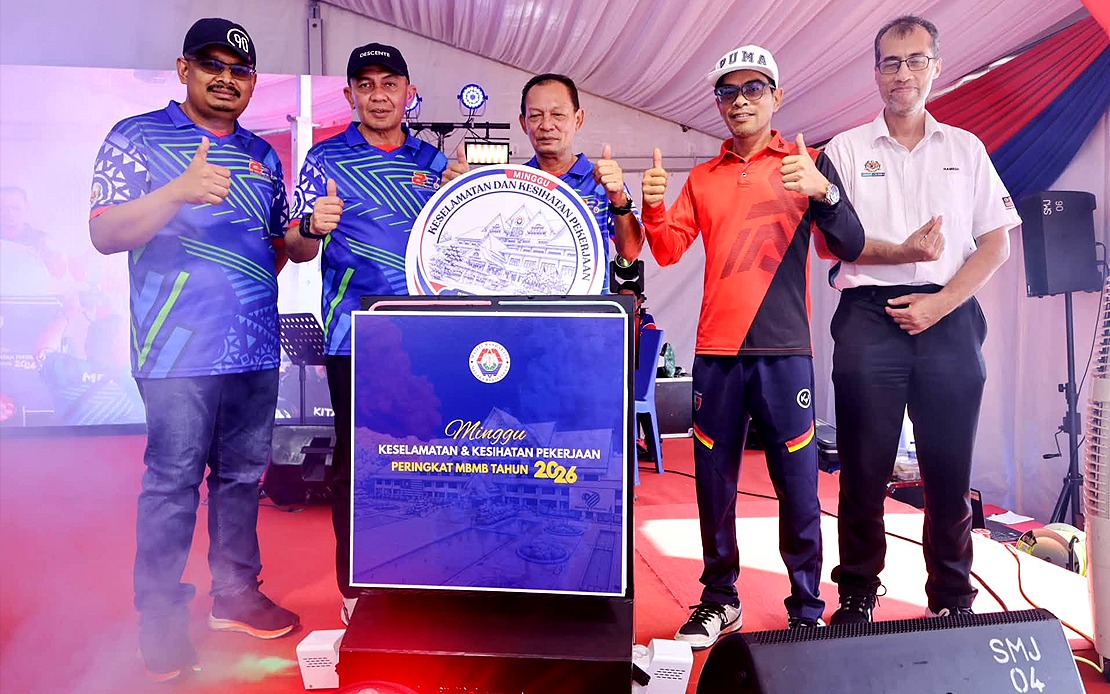
The disclosure came during festivities surrounding the Melaka Historic City Council's commemoration of the 2026 Occupational Safety and Health Week, an annual observance designed to elevate public consciousness about workplace safety. State deputy senior executive councillor for Housing, Local Government, Drainage, Climate Change and Disaster Management Datuk Zulkiflee Mohd Zin presided over the launch, signalling government-level commitment to the safety agenda. The gathering drew participation from Mayor Datuk Shadan Othman and Ahmad Jailani Mansor, DOSH's deputy director-general for occupational health, indicating a coordinated approach across different governance tiers.
For Malaysian employers and workers, these Melaka figures carry resonance beyond the state's borders. The region shares comparable industrial profiles and workforce demographics with other peninsular states, suggesting similar safety challenges may be replicated elsewhere. Construction and manufacturing—the two sectors affected by fatalities in Melaka—represent significant employment generators across Malaysia, meaning improvements or deterioration in safety standards have economy-wide implications for workplace culture and injury prevention strategies.
DOSH's collaborative posture extends beyond enforcement into partnership with stakeholders including private employers and municipal authorities. The department frames occupational safety as a shared responsibility rather than a purely regulatory burden, acknowledging that sustained improvement requires active engagement from businesses themselves. Ramesh Zakir highlighted the Melaka Historic City Council's contribution in organising workshops and educational talks, illustrating how local government bodies can amplify safety messaging and provide practical guidance to business operators within their jurisdictions.
This partnership model addresses a persistent challenge in workplace safety implementation: the gap between regulatory requirements and practical adoption by smaller enterprises. Workshops and community talks serve as accessible channels for information dissemination, particularly benefiting small and medium-sized businesses that may lack dedicated occupational safety personnel. By embedding safety promotion within local government structures, authorities attempt to reach beyond large corporations that typically maintain in-house compliance functions.
The emphasis on employer responsibility carries particular weight in the Malaysian context, where informal and semi-formal sectors employ substantial workforces with limited regulatory oversight. While the 277 recorded accidents in Melaka represent documented incidents, the actual incidence of workplace injuries likely exceeds these figures, as under-reporting remains endemic in sectors where workers fear job loss or disputes over compensation. Strengthening reporting mechanisms and protecting workers from retaliation for incident reporting represents an ongoing challenge for safety authorities.
Moving forward, DOSH's commitment to monitoring industrial operations will determine whether accident figures stabilise or rise in subsequent reporting periods. The agency faces inherent constraints including limited inspection capacity relative to the number of workplaces under its purview, necessitating strategic prioritisation of high-risk sectors and facilities. Construction's prominence in the fatality figures suggests it warrants intensified attention, as does any emerging sectoral concentration of injuries or deaths.
For Malaysian policymakers and business leaders, Melaka's experience underscores the persistent necessity for safety culture development. Regulatory compliance, while essential, represents a minimum threshold rather than optimal occupational health outcomes. Transforming workplace safety from a compliance burden into an integral business practice requires sustained investment in worker training, equipment maintenance, and management commitment—elements extending beyond regulatory mandates into organisational values and operational priorities.

