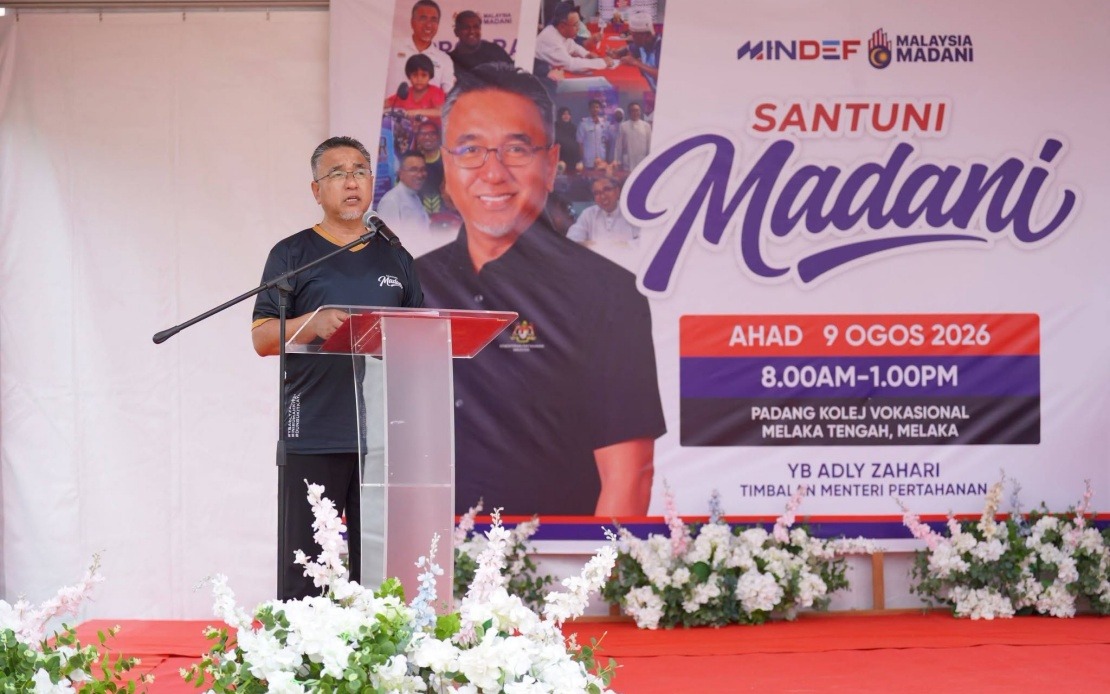
Melaka's Pakatan Harapan coalition has signalled a pragmatic approach to the forthcoming state election, with its leadership declaring readiness to explore cooperative arrangements with any political party willing to align with its vision. Speaking in Melaka on August 9, coalition chairman Adly Zahari outlined a negotiation process still in its preliminary stages, emphasising that no formal agreements have been struck and internal deliberations remain ongoing across PH's component parties.
The coalition's willingness to negotiate represents a calculated shift in positioning as Melaka gears up for polling day. While Adly confirmed that discussions about the structure and scope of any alliance have not reached a concluded phase, he stressed PH's openness to approaches from parties sharing common ground on governance principles, particularly those aligned with the Malaysia MADANI development agenda. This measured language suggests PH leadership is keeping multiple options in play while maintaining internal party cohesion during this delicate transition period.
Crucially, Adly noted that discussions with Melaka's Barisan Nasional chapter have not commenced, despite broader cooperation frameworks between BN and PH in other states through the Unity Government arrangement. This distinction underscores Melaka's unique political complexion within the larger coalition landscape. The state's particular electoral dynamics appear to warrant a separate strategic approach, one that does not automatically replicate cooperation models used elsewhere in the country. This flexibility reflects mature coalition politics where cookie-cutter solutions give way to state-specific calculations.
On the substantive question of seat targets, PH leadership exudes confidence about expanding its footprint in the Melaka State Legislative Assembly. The coalition currently holds five of the chamber's 28 seats, a baseline from which it intends to grow. Adly's assessment rests on concrete electoral geography: PH's demonstrated strength in three parliamentary constituencies—Alor Gajah, Kota Melaka and Hang Tuah Jaya—where the coalition successfully contested in federal elections, providing a foundation for state-level campaigns. Beyond this existing foundation, PH identifies three additional constituencies—Tangga Batu, Masjid Tanah and Jasin—as territories where the coalition believes it possesses realistic prospects for breakthrough victories.
This territorial breakdown reveals a methodical approach grounded in grassroots organisation and voter sentiment analysis rather than mere aspiration. By anchoring seat projections to actual parliamentary performance, PH leadership suggests its optimism rests on empirical foundations. The coalition's strategy appears focused on consolidating its established voter base while methodically expanding into adjacent constituencies where demographic shifts or local grievances might favour its messaging. Such an approach, if executed properly, could realistically deliver double-digit representation in a state assembly where 15 seats would represent a significant achievement.
PKR, one of PH's principal component parties, offered parallel insights into the coalition's negotiating posture. According to PKR's acting state leadership council chairman Adam Adli Abd Halim, informal communications with BN persist despite the absence of formal negotiation processes. This distinction between official talks and behind-the-scenes engagement suggests a cautious dance where political leaders maintain channels of communication while avoiding public commitment until circumstances crystallise. Adam Adli acknowledged Melaka's distinctive political environment, implicitly recognising that the state's specific constellation of interests, personalities and voter preferences cannot be squeezed into a template borrowed from other states.
The emphasis on ongoing discussions rather than concluded agreements reflects strategic uncertainty. Coalition leaders appear acutely aware that premature announcements about partnership terms could alienate grassroots supporters expecting undiluted PH representation or trigger unforeseen complications in negotiations. By maintaining publicly that no binding decisions have been reached, PH preserves negotiating flexibility and avoids locking itself into positions that might require later reversal or embarrassing reinterpretation.
Adam Adli's remarks about PH state assemblymen focusing on constituency service while minimising divisive political rhetoric carry important implications. This messaging appears designed to insulate sitting representatives from accusations of campaign-focused distraction, positioning them instead as diligent public servants in a period of political fluidity. Such positioning helps PH consolidate its existing voter base through demonstrated performance rather than rely solely on persuasion through campaign rhetoric, a particularly valuable asset when coalition partners negotiate over seat allocations.
The broader context surrounding these negotiations reflects Malaysia's evolving coalition politics. The Unity Government arrangement between PH and BN has reshaped national governance, yet states like Melaka demonstrate how this cooperation framework requires continuous negotiation and adaptation to local conditions. Unlike federal-level partnerships where structural integration has advanced, state-level cooperation remains more provisional and subject to electoral calculation. Melaka's political actors appear conscious that any arrangement must deliver tangible benefits to their parties and credibility to their constituents, not merely replicate national-level formulae.
For Malaysian political observers, the Melaka situation illustrates how contemporary coalition politics operates across multiple negotiating tracks simultaneously. PH maintains internal discipline while exploring external partnerships, talks informally with potential allies without formal commitment, and projects confidence about electoral prospects while prudently acknowledging uncertainties. This multi-layered approach suggests coalition politics in Malaysia has matured beyond winner-take-all competition or rigid partnership structures, instead developing into a more fluid, negotiation-dependent system where flexibility and strategic ambiguity serve important functions during critical junctures like state elections.

