Melaka's government has recorded a significant endorsement from residents, with public satisfaction in service delivery climbing to 91.94% in 2025, according to Chief Minister Datuk Seri Ab Rauf Yusoh. The figure represents a substantial achievement for the state administration and underscores growing confidence in how the Melaka government handles public-facing services across its constituencies and departments. The announcement comes at a critical juncture for state governance, where satisfaction metrics have become increasingly important benchmarks for administrative performance across Malaysian states.
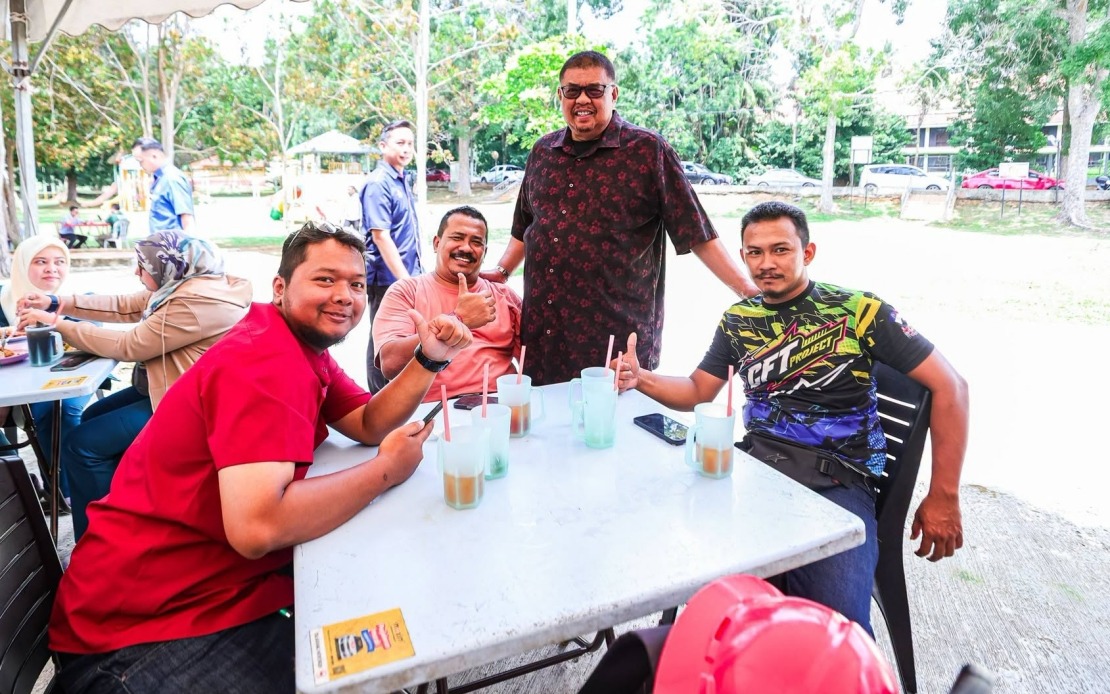
The Chief Minister attributed much of this success to the Wakil Rakyat Untuk Rakyat (WRUR) Programme, a structured initiative that deploys civil servants directly into communities to engage with residents on their concerns and grievances. This two-week programme creates a systematic mechanism for government officials from multiple agencies to work at the grassroots level, listening to what residents need and moving quickly to resolve outstanding issues. Rather than waiting for citizens to navigate bureaucratic channels, the WRUR model inverts the relationship by bringing government services into neighbourhoods across every state constituency, creating touchpoints where ordinary Melakans can access assistance more readily.
The programme reflects a broader shift in how Malaysian states approach citizen engagement. By embedding civil servants in community settings, Melaka has effectively reduced friction in service delivery and created channels through which minor grievances can be addressed before they accumulate into public discontent. This direct-engagement strategy contrasts with more traditional, reactive models where residents must initiate contact with government departments. The results suggest that proactive outreach, coupled with genuine problem-solving capacity, can meaningfully improve how citizens perceive government performance, a lesson potentially applicable to other Malaysian states seeking to enhance their own service ratings.
Ab Rauf expressed gratitude to Melaka's civil service workforce, crediting their commitment to implementing state policies and initiatives throughout 2025. The acknowledgement reflects recognition that satisfaction metrics ultimately depend on the frontline efforts of individual officials, administrators, and support staff who translate policy intentions into actual service experiences. Without motivated and well-trained civil servants willing to go beyond minimum standards, even well-designed programmes struggle to achieve meaningful results. This appreciation also serves a morale function, signalling to the bureaucracy that their efforts are noticed and valued at the highest levels of state leadership.
Beyond the satisfaction metric, Melaka has accumulated more than ten awards and accolades at state, national, and international levels during the first half of 2026. These recognitions span various domains of government administration and reflect a multi-sector approach to improving performance. The Chief Minister indicated that the state is targeting more than twenty such achievements by year's end, suggesting an aggressive expansion of initiatives aimed at lifting performance across multiple government functions. For a state like Melaka, which competes for investment and talent with larger Malaysian states, building a reputation for administrative excellence becomes an economic asset alongside its tourism and cultural attractions.
Crucially, Ab Rauf cautioned against complacency despite the impressive satisfaction rating and accumulated accolades. He framed these achievements not as endpoints but as indicators that public expectations continue to rise. This perspective recognises a fundamental dynamic of governance: as citizens experience improving service quality, their baseline expectations shift upward. What constitutes satisfactory performance today becomes merely acceptable performance tomorrow. The Chief Minister's emphasis suggests he understands that sustaining high satisfaction requires continuous improvement rather than maintenance of current standards, a discipline that prevents the institutional drift that often accompanies initial success.
The obligation that accompanies public trust forms a central theme in Ab Rauf's remarks. He positioned the trust embedded in high satisfaction ratings as imposing greater responsibility on the government, particularly on civil servants charged with daily implementation of services. This framing transforms satisfaction metrics from abstract statistics into moral imperatives, reminding officials that positive public sentiment creates expectations for continued or improved performance. The psychological weight of that responsibility can serve as motivational force, particularly among professionals already inclined toward conscientious public service.
Melaka's approach centres on the MESRA concept, described as the pulse of the state administration. MESRA represents a cultural and operational framework intended to shape how civil servants approach their work and interact with residents. By articulating a clear conceptual foundation for service delivery, the state provides guidance that extends beyond procedural rules to encompass values and attitudes that should characterise public service. The emphasis on building a public service that is trusted, respected, and a source of pride suggests aspirations toward institutional legitimacy that extends beyond mere task completion.
The 2026 Public Service Appreciation Ceremony, where these remarks were delivered, recognised tangible performance through awards distributed to civil servants. Altogether, 379 state employees received the Excellent Service Award (APC) based on 2025 evaluations, while 39 received the Special Service Award (AKP). These formal recognitions serve multiple functions: they acknowledge individual excellence, model desired behaviours for the broader workforce, and provide leadership with an opportunity to articulate expectations and values. For recipients, such awards become career highlights and sources of professional validation. For observers, they demonstrate that excellence receives institutional reward.
The results reported from Melaka offer relevant lessons for other Malaysian state governments grappling with service delivery challenges. The WRUR model's emphasis on direct engagement, combined with systematic performance measurement and formal recognition of excellence, creates a reinforcing cycle where engaged officials deliver better services, citizens notice the improvement, satisfaction ratings climb, and recognition programmes further motivate the workforce. Whether other states can replicate Melaka's approach—or whether results depend on particular local conditions or leadership dynamics—remains an open question, but the Melaka experience provides evidence that sustained focus on civil service quality and citizen engagement can produce measurable improvements in how residents experience government services.

