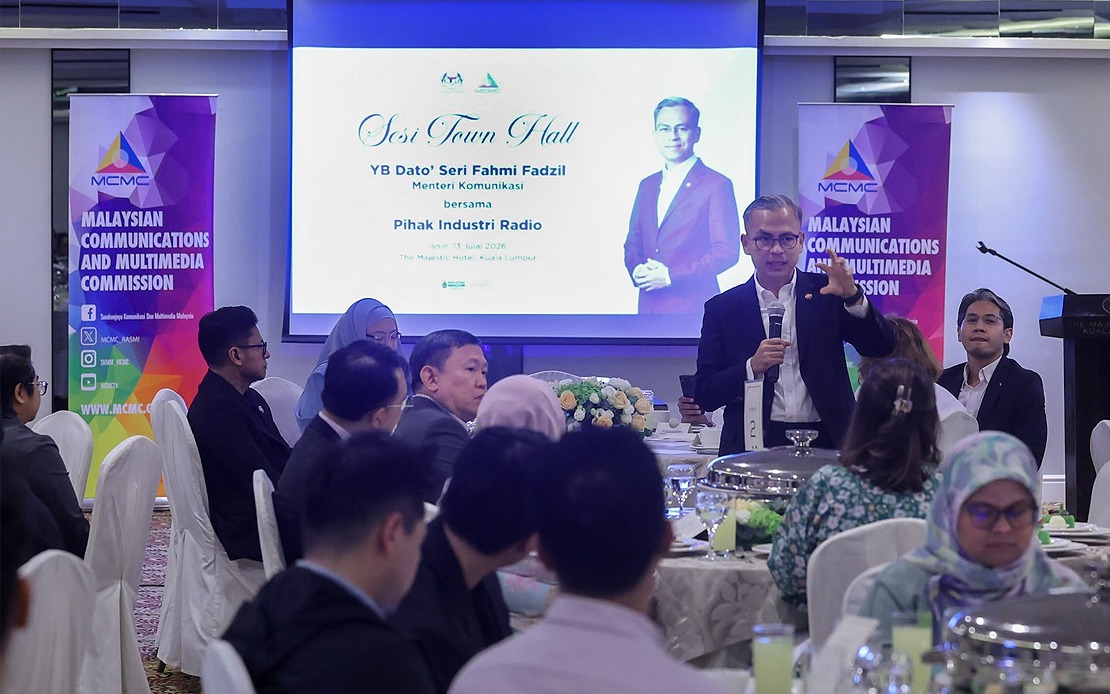
The Malaysian Communications and Multimedia Commission has been tasked with conducting a comprehensive review of the radio broadcasting sector, Communications Minister Datuk Seri Fahmi Fadzil announced on July 13. The study, framed within the broader context of the National Broadcasting Policy, represents a significant effort by the government to fortify the domestic radio ecosystem as it navigates the challenges and opportunities presented by rapid digital transformation.
Fahmi outlined the decision following a town hall engagement with radio industry stakeholders and management representatives. The gathering served as a platform for sector participants to articulate their concerns, propose solutions, and outline their vision for sustainable growth. By creating this direct dialogue channel, the government acknowledged the radio industry's need for supportive policy frameworks that address contemporary challenges while preserving the medium's cultural and social relevance.
The MCMC-led review sits within a larger governmental strategy aimed at nurturing Malaysia's creative economy. The initiative connects directly to both the National Creative Industry Policy and the Orange Economy Council's agenda, positioning radio not merely as a traditional broadcast medium but as a vital component of the nation's broader creative sector. This reorientation reflects growing recognition that radio, when properly supported through policy and infrastructure investment, can contribute meaningfully to economic diversification and cultural production.
Among the central issues examined during the consultation were strategies to elevate local music content production and consumption. With global streaming platforms dominating listener habits, ensuring that Malaysian artists and composers receive adequate airtime and industry support has become increasingly critical. The review will likely explore how licensing frameworks can be restructured to incentivise stations to showcase homegrown talent while remaining commercially viable.
Licensing model reform emerged as another pivotal discussion point. The current regulatory architecture governing radio operations may not adequately reflect the sector's contemporary realities, particularly as traditional AM/FM broadcasting intersects with digital streaming, podcasting, and online audio platforms. A modernised licensing regime could facilitate new entrants, support community radio initiatives, and clarify the operational landscape for existing broadcasters seeking expansion or format diversification.
Sector sustainability presents perhaps the most pressing challenge confronting the industry. Malaysian radio stations have faced declining advertising revenue as marketers redirect budgets toward digital channels that offer granular audience targeting and measurable performance metrics. The MCMC review will need to grapple with business model innovation, exploring how stations might generate revenue beyond traditional advertising while maintaining editorial independence and audience trust.
The digital landscape's rapid evolution poses both existential threat and strategic opportunity. While podcast platforms and music streaming services have fragmenting listener bases, radio's strength lies in its intimate, real-time connection with audiences during commutes, work hours, and leisure moments. Policymakers must therefore consider how regulatory frameworks can support radio's integration with digital distribution channels, enabling stations to maintain relevance without cannibalising their traditional broadcast revenue.
Fahmi's commitment to ongoing collaboration between government and industry stakeholders signals a consultative approach to policy development. Rather than imposing top-down regulatory changes, the MCMC review process will likely solicit continuous feedback from broadcasters, advertisers, music rights holders, and audience representatives. This iterative approach increases the likelihood that resulting policy recommendations will enjoy industry buy-in and prove practically implementable.
For Malaysian listeners and the broader public interest, a strengthened radio ecosystem carries significant implications. Radio remains uniquely positioned to serve underserved communities in rural and semi-urban areas where internet penetration remains limited or where mobile data costs prove prohibitive. A thriving radio sector ensures that all Malaysians retain access to local news, emergency information, entertainment, and cultural programming regardless of economic circumstance or geographic location.
The timing of this review reflects broader Southeast Asian trends. Across the region, governments are reassessing how traditional broadcast media can coexist with digital platforms while serving public interest objectives. Singapore, Thailand, and Indonesia have similarly undertaken radio sector studies, recognising that thoughtful policy intervention can preserve broadcasting diversity and local content production in an era dominated by global technology platforms.
For the music industry specifically, the outcome of this review carries direct consequences. Malaysian artists and composers depend on radio airplay for career development and revenue generation through performance rights royalties. A policy environment that incentivises local content could meaningfully support the domestic music ecosystem, potentially reducing Malaysian artists' dependence on international platforms and fostering a more vibrant, self-sustaining creative sector.
The MCMC's forthcoming study will likely examine international best practices from markets that have successfully navigated radio's digital transition. European and North American experiences offer valuable lessons regarding content quota systems, sustainable funding mechanisms, and regulatory approaches that balance commercial viability with public service obligations. Southeast Asian solutions, however, must reflect distinct market characteristics, audience behaviours, and development priorities.
Ultimately, the government's investment in this comprehensive review signals recognition that radio, despite technological disruption, remains a culturally significant and economically valuable sector meriting strategic policy attention. The outcome will shape whether Malaysian radio emerges from this transition strengthened and diversified, or continues gradual decline into residual relevance. For industry workers, music creators, and audiences who value radio's distinctive offerings, the MCMC review represents a critical opportunity to reimagine broadcasting's future.

