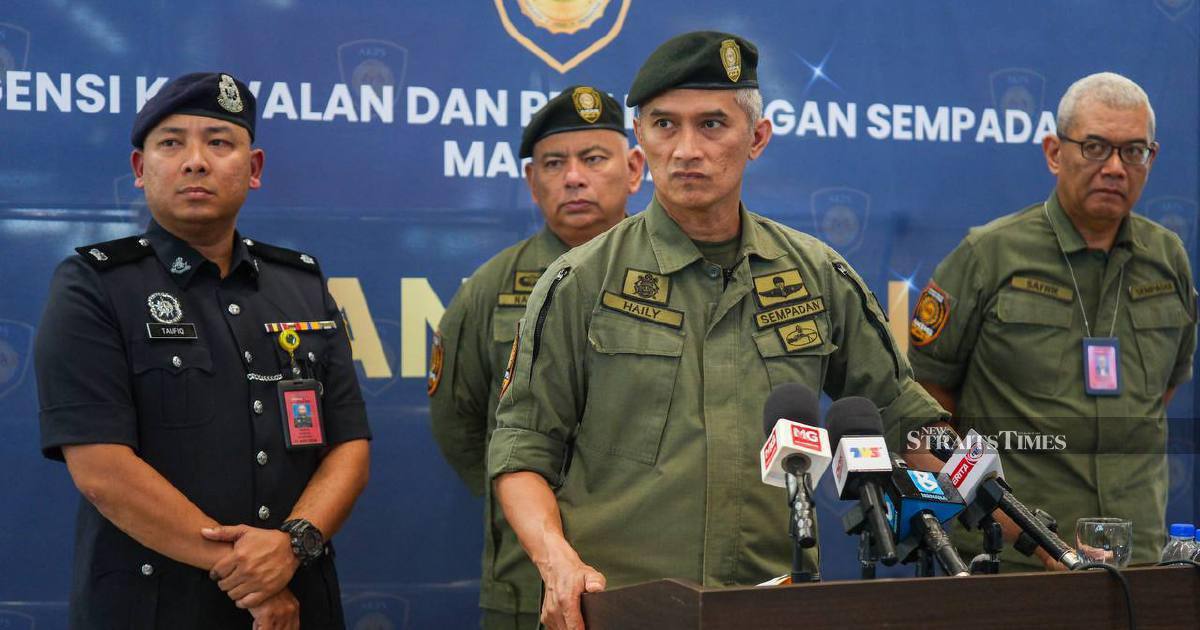
Malaysia's border control authorities have come under scrutiny following the arrest of a Malaysia Airlines pilot in Indonesia on suspicion of attempting to smuggle narcotics across borders, but border officials have now reasserted that standard screening protocols were entirely adhered to when the pilot departed Malaysia. The Malaysian Customs Brokers Association (MCBA) has stepped forward to defend the integrity of the nation's border security operations, asserting that no lapses occurred during the routine processing of the individual's baggage at the point of departure from Malaysian territory.
The incident has reignited debate about the effectiveness of Malaysia's screening infrastructure at border checkpoints, particularly given the increasing sophistication of smuggling operations and the role that modern technology plays in interdiction efforts. The pilot's arrest in Indonesia has placed a spotlight on Malaysia's border management capacity at a time when regional narcotics trafficking remains a persistent challenge across Southeast Asia. The defence of standard procedures by border authorities underscores the delicate balance between maintaining efficient passenger processing and ensuring comprehensive security checks—a tension that affects thousands of travellers passing through Malaysian borders daily.
According to border agency statements, the artificial intelligence-assisted baggage scanning systems deployed at Malaysian checkpoints did not register any anomalies or contraband indicators during the pilot's screening. These systems, which represent a significant investment in modern border security infrastructure, are designed to identify suspicious items and flag them for manual inspection. The failure of AI-assisted technology to detect the alleged contraband raises important questions about the limitations of automated systems and the extent to which they should be relied upon in security operations. Border authorities have indicated that the pilot's baggage proceeded through all requisite scanning stations without triggering alerts that would have prompted deeper investigation.
The adherence to standard operating procedures represents a critical component of Malaysia's border security framework. These protocols are designed to balance the need for thorough screening with the operational demands of processing large volumes of passengers and cargo. Each step in the SOP exists to create multiple layers of detection, from initial X-ray screening through to manual inspection if warranted. The fact that no anomalies were flagged at any stage of the Malaysian screening process suggests that either the methods of concealment used were sufficiently sophisticated to evade detection, or that the contraband was not actually in the baggage during Malaysian screening.
Indonesian authorities subsequently apprehended the pilot following the discovery of allegedly smuggled substances, creating an international dimension to what might otherwise have remained a domestic security matter. The arrest in Indonesia highlights how drug trafficking networks operate across borders and how enforcement efforts in one jurisdiction can reveal gaps or challenges in neighbouring countries' security measures. The timing and location of the arrest—occurring after the pilot had already transited through Malaysian border controls—complicate the narrative of responsibility and effectiveness in regional border management.
The involvement of the MCBA in defending the screening procedures suggests that industry stakeholders have a vested interest in maintaining confidence in Malaysia's border security apparatus. The association's assertion that SOPs were fully followed serves not only to vindicate individual border officers but also to preserve the reputation of Malaysia's customs and immigration framework at a time when international confidence in border security is paramount. Any suggestion that Malaysian borders are porous or that screening is inadequate could have broader implications for Malaysia's standing as a reliable transit hub and trading partner.
Technological limitations present a genuine challenge in modern border security. Artificial intelligence-assisted scanning systems, while sophisticated, operate within parameters established by their programming and hardware capabilities. Advanced smuggling techniques may exploit weaknesses in specific detection technologies, particularly when dealing with substances that do not produce distinctive signatures on standard X-ray equipment or other screening apparatus. The reliance on these systems, balanced against the resource constraints that make continuous manual inspection impractical, creates inherent vulnerabilities that sophisticated criminal networks actively exploit.
The incident occurs within a broader Southeast Asian context where narcotics trafficking remains endemic and law enforcement agencies continually adjust their tactics in response to evolving criminal methodologies. Malaysia, as a significant aviation hub and transit corridor, faces particular pressure from trafficking networks seeking to exploit its transportation infrastructure. The arrest of a Malaysia Airlines pilot—an employee of one of the region's major carriers—adds a troubling dimension, as it suggests that trusted individuals within the aviation sector may be compromised by trafficking organizations.
Questions about the adequacy of human oversight in automated screening processes have become increasingly relevant as border agencies worldwide expand their reliance on technology. While AI systems can process information faster and more consistently than human operators, they cannot replicate the contextual judgment and pattern recognition that experienced customs officers develop over time. Some security experts argue that over-reliance on automation, combined with resource constraints that limit manual inspection capacity, creates a false sense of security that trafficking organisations can exploit.
The MCBA's defence of screening procedures reflects confidence in the current system, yet the incident demonstrates that even meticulously followed protocols may not intercept all contraband. Moving forward, Malaysia may need to consider whether additional investigative tools, enhanced intelligence sharing with neighbouring countries, or revised procedures for high-risk categories of travellers could improve interdiction rates. The balance between facilitating legitimate travel and commerce while preventing narcotics trafficking remains one of modern border management's most persistent challenges.

