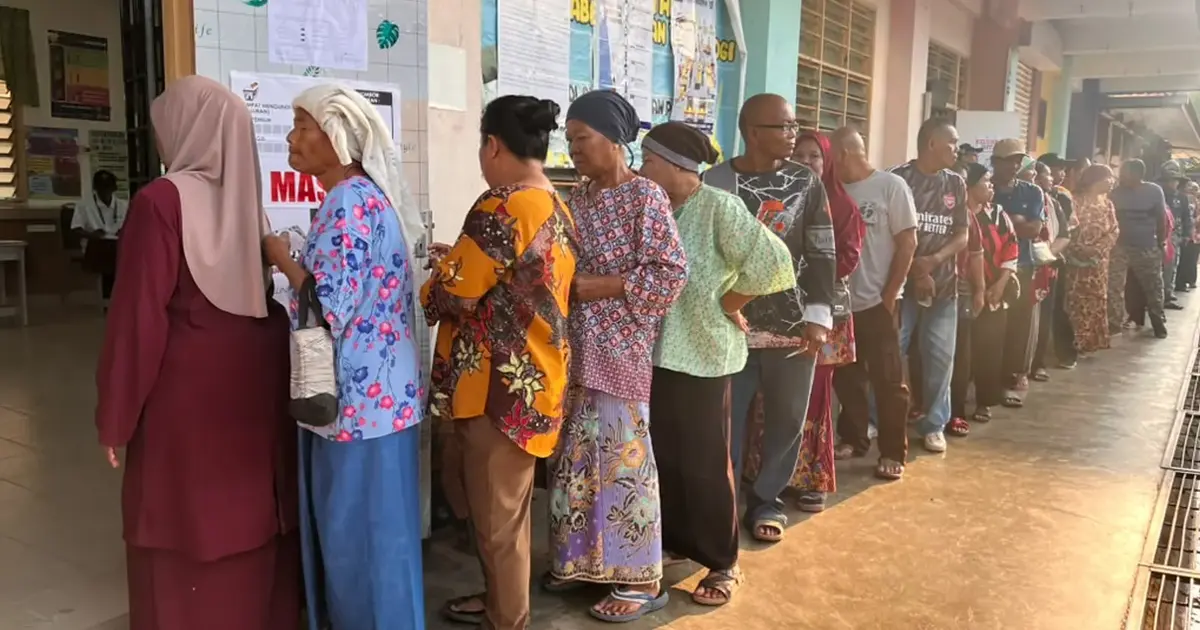
The MCA's successful campaign in Chennah, which saw incumbent DAP MP Loke Siew Fook defeated, appears to be rooted in a broader mobilization effort within the Barisan Nasional coalition, with political observers attributing the outcome to substantial Malay voter turnout in support of the ruling alliance's agenda.
The pattern emerging from this electoral result speaks to a fundamental dynamic in Malaysian coalition politics that has shaped electoral outcomes for decades. When Umno, as the largest Malay-based party within Barisan Nasional, effectively energizes its grassroots base and turns out voters, the benefits extend beyond its own candidates to coalition partners, including the Malaysian Chinese Association and the Malaysian Indian Congress. This symbiotic relationship demonstrates how integrated party machinery and shared political messaging can amplify electoral performance across ethnic and organizational lines within a broader political umbrella.
For the MCA specifically, the Chennah victory represents significant political capital in a period when the party has worked to rebuild credibility and relevance among Chinese-Malaysian voters. The party had faced considerable electoral challenges in recent years, with Chinese voters increasingly fragmenting between Barisan Nasional components and opposition coalitions. A successful challenge to a DAP incumbent, particularly one commanding Loke Siew Fook's profile and experience, signals that MCA remains a competitive force when conditions align favorably.
The mechanism driving this electoral advantage warrants closer examination. When Umno mobilizes Malay voters at scale, the effect ripples across constituencies where multiple Barisan Nasional parties field candidates. The enhanced turnout and positive sentiment toward the coalition creates momentum that lifts associated parties, even in constituencies where Chinese or Indian voters represent significant portions of the electorate. This coalition-wide effect suggests that Barisan Nasional's competitiveness depends substantially on Umno's ability to maintain high levels of support and participation among Malay voters, its core demographic base.
For Malaysia's broader political landscape, this dynamic carries implications for how power balances within the ruling coalition are likely to shift. When Umno strengthens its position, its coalition partners gain negotiating leverage and electoral momentum simultaneously. Conversely, any decline in Umno's performance or internal organizational capacity tends to weaken the entire Barisan Nasional structure, creating openings for opposition advances. The Chennah result suggests that recent Umno organizational efforts have successfully mobilized supporters, at least in select constituencies.
The victory also reflects changing voter preferences in what has historically been a competitive seat. Loke Siew Fook's loss to MCA represents a significant shift from recent electoral patterns and suggests that voters in this constituency may be reassessing their political allegiances. The specific factors driving this shift remain subject to interpretation, but the successful turnout of Malay voters under Barisan Nasional banners appears to have been decisive in changing the seat's complexion.
For regional observers monitoring Malaysian electoral trends, the Chennah outcome provides data points relevant to understanding coalition dynamics in competitive democracies. The performance indicates that ethnic-based party coalitions, when properly coordinated and when their primary anchor—in this case Umno—performs effectively, can maintain competitive strength even as voter preferences shift over time. This contrasts with earlier predictions that erosion of support among specific voter groups would necessarily weaken coalition structures.
The MCA's strategic position within Barisan Nasional has evolved considerably since the coalition's dominance faced serious challenges during recent electoral cycles. By securing victories in competitive constituencies where Chinese voters hold sway, the party can demonstrate to coalition leadership and to Chinese-Malaysian voters that it remains a consequential political force. The Chennah victory contributes to this narrative of MCA relevance, particularly if the party can sustain this momentum in upcoming electoral cycles.
Looking forward, the interplay between Umno's voter mobilization capacity and the electoral prospects of coalition partners will likely remain central to Barisan Nasional's competitiveness. Any structural weakening of Umno's organizational reach or voter support would presumably diminish the electoral advantages flowing to MCA and MIC. Conversely, if Umno consolidates recent organizational improvements and maintains high turnout among Malay voters, coalition partners can expect similar supportive conditions in constituencies where they compete.
The broader lesson from the Chennah election cycle extends beyond immediate electoral accounting to fundamental questions about how Malaysian voters perceive political coalitions and ethnic party structures in the contemporary context. The continued viability of these arrangements depends substantially on whether dominant parties within coalitions can sustain voter engagement and whether coalition partners can translate coalition-wide momentum into substantive electoral gains that justify their continued participation in shared political projects.

