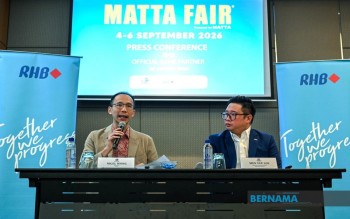
The tourism industry is preparing its case for preferential treatment in Budget 2027, with Malaysia's leading trade association calling for a comprehensive package of tax relief and investment measures to revitalise the sector. The Malaysian Association of Tour and Travel Agents has submitted a formal agenda ahead of the October 9 tabling of the Supply Bill, focusing on three interconnected priorities that industry leaders believe are essential for capturing international visitor growth over the coming two years.
According to MATTA president Nigel Wong, enhanced tax deductions for tour operators represent the most pressing requirement for Budget 2027. The rationale is straightforward: currently, the tax burden facing tour operators constrains their ability to fund overseas promotional campaigns, which Wong identifies as a critical gap in Malaysia's international marketing effort. By reducing the effective tax cost of promotional spending, the government could incentivise operators to expand their presence at travel shows, deploy digital marketing campaigns, and establish partnerships with foreign travel agencies without straining operational margins.
Wong emphasised that such fiscal measures would directly support the Visit Malaysia 2026-2027 initiative, the government's flagship tourism campaign designed to elevate visitor arrivals and tourism receipts. The two-year campaign represents an important economic objective for Malaysia, particularly as regional competitors like Thailand and Indonesia continue aggressive tourism promotions. Without sufficient incentives, Wong suggests, Malaysian tour operators lack the financial flexibility to compete effectively in international markets where brand presence and consistent marketing investment determine market share.
Beyond tax policy, MATTA is advocating for substantially increased government capital expenditure on tourism infrastructure. Wong highlighted the restoration of the Sultan Abdul Samad Building as an exemplary project, noting how the renovation transformed a heritage landmark into an iconic attraction that enhances Kuala Lumpur's global image. The association argues that similar strategic investments across the country could yield outsized returns by refreshing Malaysia's portfolio of natural heritage sites, historical monuments, and cultural attractions that currently lack adequate maintenance or modern amenities.
The infrastructure investment argument reflects a broader industry concern that Malaysia's tourism product has gradually lost competitiveness due to deferred maintenance and outdated facilities. Many heritage properties, natural attractions, and urban tourism nodes require capital-intensive upgrades to meet international visitor expectations. Wong's framing suggests that such investments should be viewed not as discretionary spending but as essential infrastructure that underpins the entire tourism economy, with multiplier effects across hospitality, transportation, and retail sectors.
A third component of MATTA's budget submission involves increased promotional allocations at the national level. This represents recognition that while private sector tour operators must shoulder responsibility for market-specific campaigns, the government plays a vital coordinating and amplifying role through Tourism Malaysia and related agencies. Higher budgets would enable more extensive international advertising, participation in major travel trade events, and media engagement that establish Malaysia as a desirable destination among affluent traveller demographics in key source markets.
Wong also advanced a systems-level argument for municipal engagement in tourism development, proposing that city councils and local authorities should be explicitly tasked with enhancing urban safety and walkability. This perspective reflects the reality that tourists encounter local government services directly—street cleanliness, public transportation quality, police presence, and pedestrian infrastructure all influence visitor experiences and shape international perceptions. By integrating municipal performance metrics into broader tourism objectives, the government could create accountability structures that make urban management decisions tourism-conscious rather than isolating economic development from place-making.
The timing of MATTA's submissions carries strategic significance. The October 9 tabling date provides a narrow window for industry advocacy, as government budget allocations are typically finalised weeks in advance. By raising these issues publicly at press conferences and media events, MATTA creates political space for sympathetic policymakers to champion tourism investments during internal budget negotiations. The visibility also signals to Finance Ministry officials that the tourism sector is organised, coherent in its asks, and prepared to mobilise industry support around the budget proposals.
For Malaysian policymakers, the MATTA submission presents a classic economic efficiency argument: marginal investments in tax incentives and infrastructure can generate disproportionate returns through increased foreign exchange earnings, employment generation, and regional development. The Visit Malaysia 2026-2027 campaign represents a two-year window to capitalise on post-pandemic travel recovery and positioning shifts in the global tourism market. Delaying infrastructure investments or failing to improve tax competitiveness for domestic operators risks allowing market share to migrate to competing destinations with more forward-looking policy frameworks.
Regionally, Malaysia's tourism policy choices carry implications for Southeast Asian competitiveness. Thailand's sustained focus on tourism infrastructure and aggressive tax incentives for hospitality operators have enabled that nation to capture outsized visitor volumes relative to regional alternatives. Vietnam and Indonesia are similarly investing in both promotional capacity and heritage preservation. By contrast, any perceived policy neglect in Malaysia could accelerate a gradual loss of market position that becomes difficult to reverse once international perceptions solidify.
The Budget 2027 submission also reflects evolving industry thinking about tourism's role in national economic strategy. Rather than viewing tourism solely as a sector that generates foreign exchange, MATTA implicitly frames it as a driver of urban development, cultural preservation, and inclusive regional growth. Infrastructure investments benefit communities beyond tourism directly, while tax incentives maintain competitiveness for operators concentrated in Malaysia's smaller cities and secondary destinations. This holistic framing may resonate with policymakers concerned about equitable development and regional balance alongside headline economic metrics.

