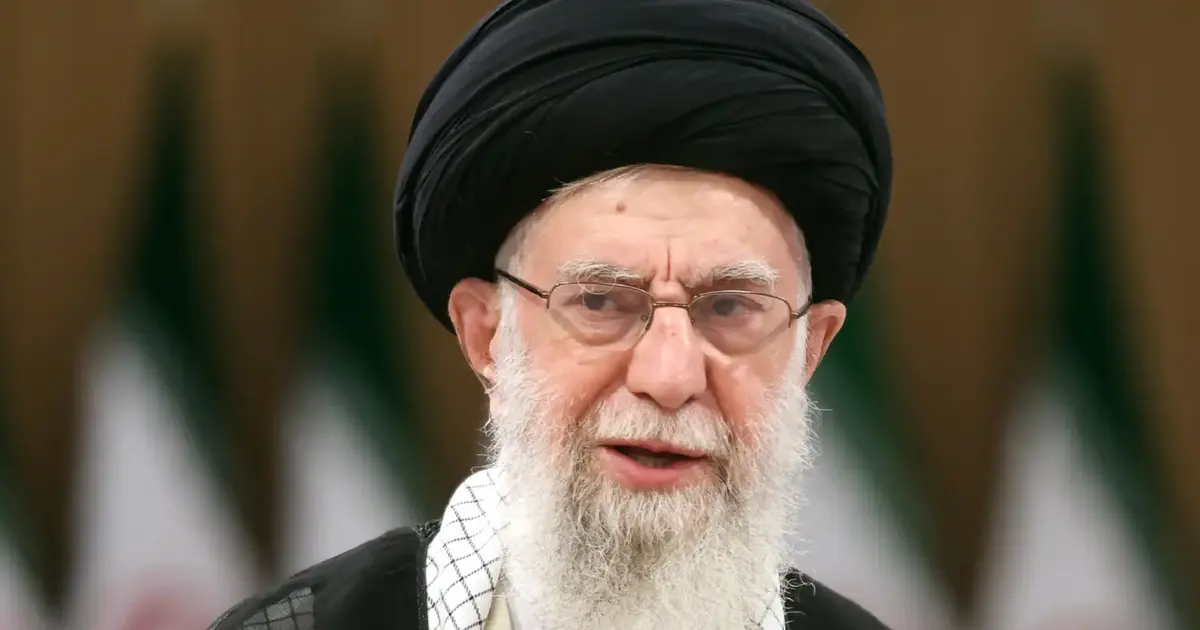
Prime Minister Anwar Ibrahim announced on Tuesday that Agriculture and Food Security Minister Mohamad Sabu will serve as Malaysia's official representative at the funeral of Iran's Supreme Leader Ayatollah Ali Khamenei, scheduled to take place in Tehran tomorrow. The decision underscores Malaysia's commitment to maintaining diplomatic ties with the Islamic Republic during a significant moment in Iranian leadership.
Khamenei, who led Iran since 1989, passed away recently, marking the end of an era in Iranian politics. His funeral represents a major state occasion drawing international delegations and dignitaries from across the Muslim world and beyond. The choice of Mat Sabu as Malaysia's envoy reflects the government's approach to this sensitive diplomatic engagement, with the agriculture minister tasked with conveying Malaysia's condolences and respect to the Iranian people and leadership.
The decision to send a ministerial-level representative signals Malaysia's diplomatic weight in regional affairs. Rather than dispatching a junior official, Kuala Lumpur opted for a senior Cabinet member, demonstrating the significance attached to Malaysia-Iran relations. This approach aligns with Malaysia's broader foreign policy orientation toward maintaining constructive engagement across diverse Islamic nations, regardless of their ideological or geopolitical alignments.
Malaysia's relationship with Iran has historically balanced pragmatic economic and cultural interests with careful navigation of regional power dynamics. As a significant Muslim-majority nation with stakes in both Sunni-dominated and Shia-influenced spheres, Malaysia has long sought to position itself as a bridge-builder across Islamic divides. The attendance at Khamenei's funeral provides an opportunity to reaffirm these connections and demonstrate Malaysia's respect for Iran's sovereignty and religious authority.
For Mat Sabu specifically, the assignment represents a moment to strengthen bilateral ties on the international stage. The minister will likely engage with Iranian officials and representatives from other nations, potentially opening avenues for dialogue on matters of mutual interest, including halal trade, agricultural cooperation, and other bilateral concerns. His presence embodies Malaysia's desire to maintain warm relations with Tehran despite global pressures and sanctions affecting Iran's economy.
The timing of this diplomatic gesture carries weight in the context of Malaysia's broader regional positioning. As Southeast Asian nations grapple with geopolitical tensions involving major powers, Malaysia's consistent engagement with Iran reflects its Non-Aligned Movement heritage and commitment to an independent foreign policy. Such gestures reinforce Malaysia's credentials as a nation that charts its own diplomatic course based on national interests rather than external pressure.
Iran's significance to Malaysia extends beyond ceremonial relations. The two nations have shared interests in Islamic finance, religious scholarship, and halal certification standards. Additionally, Iran remains a potential market for Malaysian agricultural products and food security partnerships, areas directly relevant to Mat Sabu's ministerial portfolio. His attendance at the funeral may facilitate discussions on deepening these practical cooperative ventures.
The funeral itself will be attended by delegations from numerous countries, making it a crucial gathering point for international diplomacy. Mat Sabu's presence ensures Malaysia is represented in corridors where important conversations occur and relationships are renewed. For a nation of Malaysia's size and influence, such strategic participation in global events helps maintain relevance and influence in international affairs.
This decision also reflects the priorities of the Anwar Ibrahim administration regarding Muslim-majority nation relations. The current government has sought to project Malaysia as a responsible, moderate Islamic nation engaged constructively with diverse partners. Paying respects to Khamenei, despite his controversial legacy in some quarters, demonstrates Malaysia's belief in equal dignity and respect for all nations and their leaders, a principle central to Malaysia's diplomatic philosophy.
The funeral arrangements underscore the ceremonial and political significance of Khamenei's passing within Iran itself. As Supreme Leader, Khamenei wielded unparalleled authority over Iran's military, judiciary, and state media. His successor and the transition process will shape regional dynamics affecting countries across the Middle East and beyond, making this moment particularly significant for nations monitoring developments in Iran.
Mat Sabu's representation also carries symbolic weight domestically within Malaysia. By selecting an Agriculture Minister to represent the nation, the government demonstrates that diplomatic responsibilities extend across all ministerial portfolios, not merely foreign affairs. This approach reinforces the notion that Malaysia's international engagement encompasses diverse sectors and interests, from security to commerce to food sovereignty.
Looking forward, Malaysia's diplomatic engagement around Khamenei's funeral may yield dividends across multiple channels. Beyond ceremonial condolences, discussions during the event could explore enhanced bilateral cooperation frameworks, particularly regarding food security and agricultural technology—areas where Malaysia possesses expertise and Iran faces significant challenges due to international sanctions affecting imports.
The decision to send Mat Sabu represents Malaysia's pragmatic engagement with global realities. Regardless of international controversies surrounding Iran's governance or regional role, Malaysia recognizes the importance of maintaining functioning diplomatic relations with all nations. This measured approach protects Malaysia's interests while preserving its moral authority as an independent-minded nation that refuses to follow international blocs uncritically.

