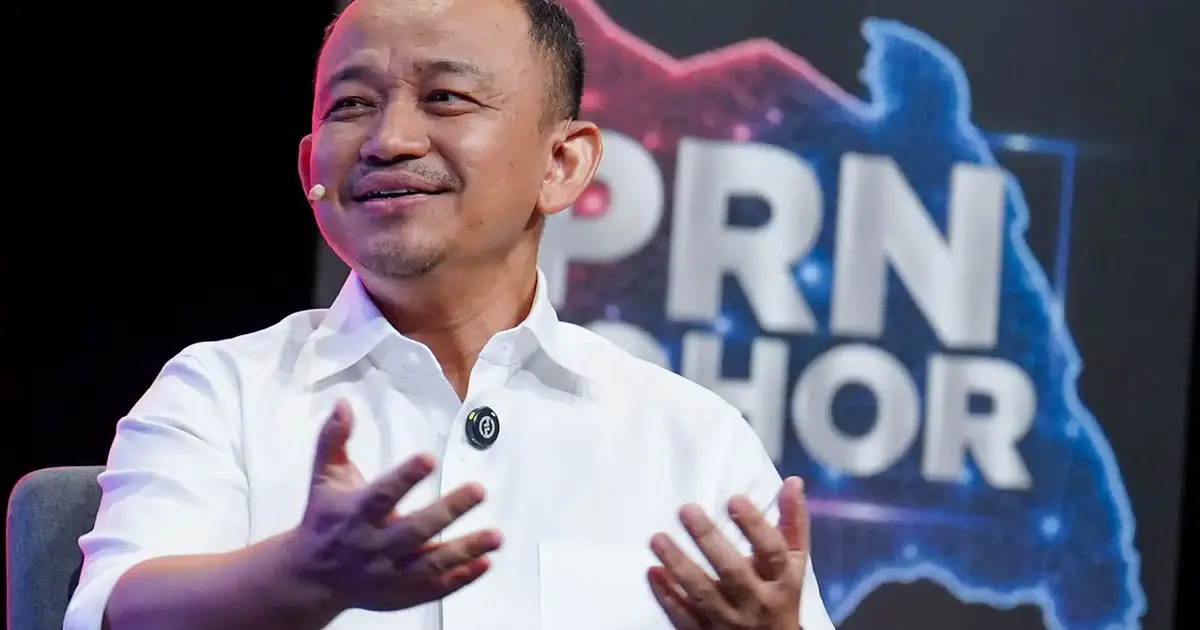
Former education minister Maszlee Malik appears poised for a political resurgence after securing the Puteri Wangsa state assembly nomination, marking his attempt to rebuild his political career following a disappointing performance at the ballot box. Maszlee's loss of his Simpang Renggam parliamentary seat during the 15th General Election two years ago had appeared to derail his ministerial prospects, but the move to contest at the state level suggests he remains committed to remaining in elected office and maintaining his relevance within the political establishment.
The shift to state-level politics represents a recalibration for Maszlee, who previously held significant national responsibility as minister of education during the Mahathir administration. State assembly seats often provide politicians with a more intimate connection to grassroots constituents and can serve as a stepping stone for renewed national ambitions. The Puteri Wangsa constituency, located in the Kuala Lumpur federal territory, presents both opportunities and challenges for any candidate seeking to build a strong local support base in an increasingly competitive electoral landscape.
Maszlee's nomination signals that despite his parliamentary setback, he retains backing within his political party and continues to be viewed as a viable candidate capable of winning legislative representation. His previous experience holding the education portfolio, though it ended controversially due to various curriculum and administrative decisions he championed, has maintained his public profile and name recognition among voters. Such ministerial experience, even when controversial, often translates into electoral advantage at the state assembly level where local issues frequently take precedence over national political narratives.
The broader context of Malaysian state politics reveals increasing fluidity in seat contests and candidate selection processes. Parties are regularly reassessing their bench of candidates and repositioning experienced politicians to maximize electoral prospects across multiple levels of government. This practice has become more pronounced as political alignments have shifted and coalition configurations have evolved following the complex post-GE15 political environment that saw the formation of the Madani government and subsequent realignments.
For Maszlee specifically, the Puteri Wangsa contest represents an opportunity to demonstrate continued voter support and rebuild political capital that may have been diminished by his parliamentary loss. State assembly members, despite holding lower-level positions than members of parliament, exercise genuine legislative authority over local concerns including education, housing development, community services, and municipal governance. Success at this level could provide Maszlee with a platform to rehabilitate his political reputation and position himself for future advancement.
The timing of this nomination also reflects broader political calculations within Malaysian party structures. With various state elections anticipated across the country in coming years, parties are actively consolidating their candidate rosters and testing political viability of experienced figures in different constituencies. Maszlee's move to Puteri Wangsa suggests confidence that he retains sufficient electoral appeal to secure a state seat, even if his parliamentary prospects may remain uncertain in the near term.
For regional observers of Malaysian politics, Maszlee's attempted comeback underscores the resilience and adaptability of established political figures within Southeast Asia's competitive democratic systems. Despite setbacks, experienced politicians with ministerial backgrounds frequently persist in seeking elected office through alternative electoral channels. This pattern reflects both the personal ambitions of individual politicians and the institutional mechanisms within political parties that value experienced operatives capable of winning elections and managing government responsibilities.
The Puteri Wangsa constituency itself warrants consideration in assessing Maszlee's prospects. Located within the capital city's boundaries, the seat encompasses urban voters with diverse concerns ranging from education quality to urban development and public transportation. Maszlee's background in education policy, regardless of its controversial reception, may resonate with constituents prioritizing schooling standards and academic achievement. Urban state assembly contests often turn on such localized, service-delivery issues rather than broader ideological platforms.
The contest for Puteri Wangsa also reflects intensifying competition within Malaysia's political ecosystem, where multiple parties contend for seats previously held by rivals. If Maszlee successfully captures this seat, it could signal broader momentum for his political faction and provide renewed opportunities for influence within state governance structures. Conversely, any failure to secure victory might suggest that his parliamentary loss reflected genuine erosion of electoral support rather than temporary setback.
Maszlee's nomination ultimately reflects the complex calculus of Malaysian politics, where individual politicians navigate changing political configurations, voter preferences, and party strategies. His transition from parliamentary to state assembly politics represents a common trajectory for seasoned politicians seeking to maintain relevance and influence. Whether his Puteri Wangsa contest succeeds will provide important indicators about his enduring electoral viability and the extent to which Malaysian voters are willing to support politicians seeking political rehabilitation through alternative electoral routes.

