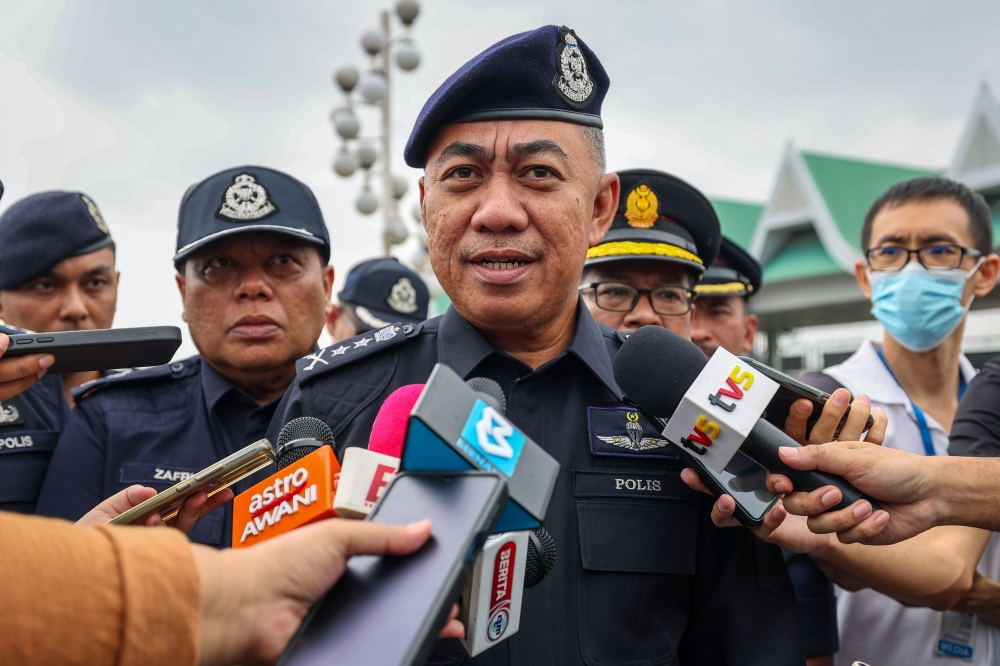
Perak police have dealt a significant blow to regional drug trafficking operations with the arrest of seven suspects, including a married couple accused of involvement in the distribution of controlled substances. The coordinated raids, conducted across multiple locations in the state, represent an ongoing effort by law enforcement to dismantle organised drug networks operating within the northern region. The seizure of 2.8 kilogrammes of MDMA, commonly known as ecstasy, underscores the scale of illicit drug circulation in Perak, a state that has become increasingly important as a transit hub for narcotics trafficking in Malaysia.
The apprehension of the couple among the larger group of suspects suggests that family-based drug operations remain prevalent in Malaysia's organised crime landscape. Law enforcement agencies have repeatedly observed that spousal partnerships in drug trafficking operations present particular investigative challenges, as these networks tend to maintain tighter operational security and exercise greater compartmentalisation of activities. The inclusion of this unit within the broader criminal enterprise indicates that the trafficking group operated with considerable sophistication, likely serving as distribution agents for larger upstream suppliers.
The 2.8kg haul represents a substantial quantity of MDMA for regional enforcement purposes, though it likely constitutes an intermediate rather than terminal seizure. Drug analysts note that quantities of this size typically indicate operations positioned between wholesale importation and street-level retail distribution. The seizure disrupts the supply chain at a critical juncture where bulk shipments transition into smaller parcels destined for end users across Perak and potentially adjoining states. This intermediate-level intervention proves particularly valuable for disrupting supply continuity and forcing criminal networks to rebuild distribution pathways.
Perak's geography and infrastructure have made it an attractive location for drug trafficking organisations operating throughout Malaysia and the broader Southeast Asian region. The state's position as a corridor connecting the southern industrial zones to the northern border regions provides logistical advantages for movement of contraband materials. Additionally, Perak's network of smaller towns and rural areas offers spaces for operation that maintain relative distance from major urban enforcement concentrations, though law enforcement agencies have substantially increased their presence in secondary cities in recent years.
MDMA trafficking has emerged as a particular enforcement priority across Southeast Asia in recent years, reflecting both the drug's consistent demand among certain demographic groups and the substantial profit margins available to traffickers. The substance, which commands significant prices in regional illicit markets, attracts sophisticated criminal organisations capable of managing complex supply chains. Malaysian authorities have documented increasing MDMA seizures over the past decade, suggesting that regional trafficking networks have expanded their operations to meet demand from urban entertainment venues, music festivals, and underground recreational networks.
The wider context of this operation reflects broader patterns of police resource allocation in Perak. State authorities have emphasised narcotics enforcement as a strategic priority, recognising that drug trafficking generates secondary criminal activities including theft, violence, and money laundering that destabilise communities. Specialised units focused on organised drug trafficking have expanded their investigative capabilities, incorporating financial intelligence analysis and surveillance technologies that enable identification of distribution networks rather than relying solely on street-level enforcement.
The arrest of seven individuals simultaneously suggests that police conducted surveillance operations over an extended period before executing coordinated raids. This approach, preferred by modern law enforcement agencies, produces more substantive dismantling of criminal organisations than sporadic arrests. By timing raids simultaneously across multiple locations, police prevent suspects from alerting associates, securing evidence, or destroying materials. The coordination required for such operations indicates substantial intelligence work preceding the physical enforcement action.
Criminal consequences for the suspects will depend on specific charges laid and their roles within the trafficking hierarchy. Malaysian drug laws impose severe penalties including lengthy imprisonment and substantial fines for trafficking offences, with sentences increasing substantially for quantities exceeding specified thresholds. The married couple may face additional complexity in prosecution if evidence suggests they maintained separate legal defences or if their family circumstances become relevant during sentencing considerations, though Malaysian courts have demonstrated limited willingness to modify sentences based on familial factors in drug trafficking cases.
The operation carries implications extending beyond the immediate removal of these seven individuals from circulation. Disruption of this particular trafficking cell forces competing organisations to adjust their market positioning, potentially creating temporary supply shortages that influence street-level pricing and availability. This market disruption, while short-lived, creates enforcement windows during which police can identify replacement suppliers seeking to capture market share. The broader effect contributes incrementally to the raised operational costs that trafficking organisations must absorb across their entire supply chain.
Police investigations will likely focus on identifying the suppliers upstream of this cell and the customer networks downstream, potentially enabling larger enforcement operations targeting higher-level traffickers. The intelligence derived from interrogations of the seven arrested individuals could reveal distribution patterns, payment mechanisms, and communication methods employed by the broader trafficking network. This information proves invaluable for identifying additional targets and understanding how regional trafficking organisations coordinate activities across multiple states.

