Majlis Amanah Rakyat (MARA) has initiated a comprehensive review of its standard operating procedures governing student outings at Mara Junior Science Colleges (MRSM) in response to the recent disappearance of two Form Four pupils, though the statutory body's leadership has cautioned against knee-jerk regulatory responses that could curtail broader developmental opportunities for the student body. The incident has prompted institutional soul-searching about how to maintain appropriate duty of care while preserving the carefully calibrated independence that residential college education is designed to cultivate.
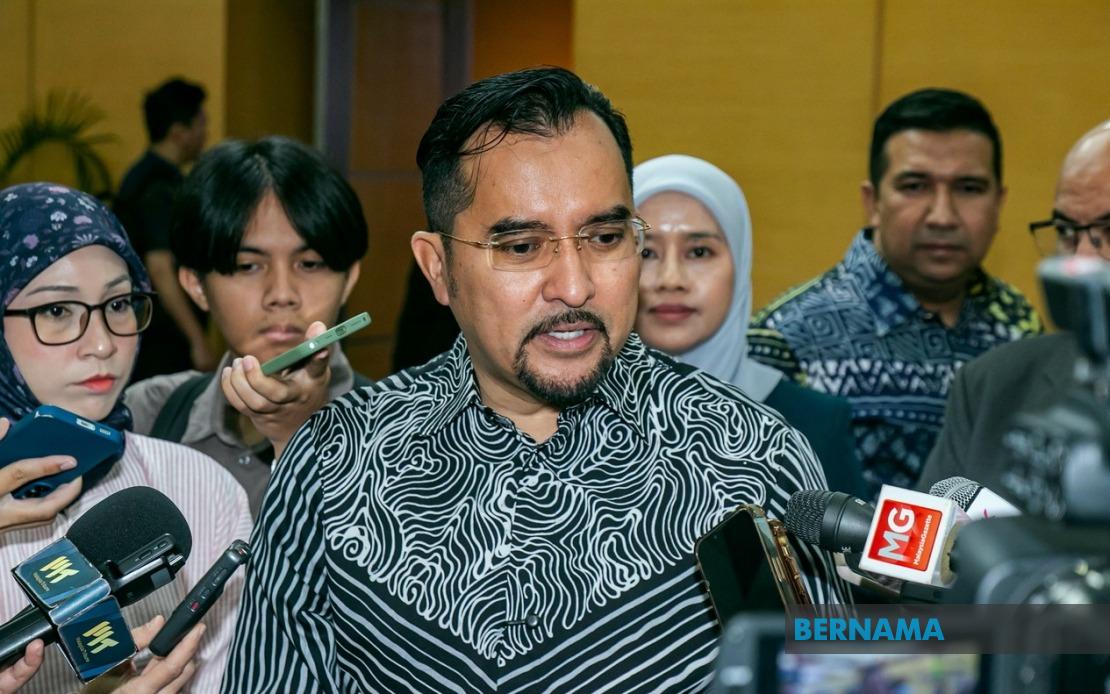
Chairman Datuk Dr Asyraf Wajdi Dusuki characterised the August 11 incident involving two 16-year-old students from MRSM Alor Gajah, Melaka, as an aberration rather than an indictment of existing frameworks. Speaking at the 2026 pre-departure programme for MARA-sponsored students in Kuala Lumpur, he stressed that isolated incidents should not become pretexts for wholesale policy overhauls that risk undermining the carefully constructed balance between supervision and autonomy that defines residential college life. His remarks signal an institutional attempt to maintain operational continuity whilst demonstrating appropriate responsiveness to parental and public concerns.
The two girls went missing on August 11 after attending a health clinic and were discovered four days later in the vicinity of Pasar Seni in Kuala Lumpur, sparking a search operation and immediate investigation by authorities. The circumstances surrounding their disappearance remain subject to ongoing police inquiry, with MARA confirming that the institution has been cooperating fully with investigators. One of the students experienced a panic attack and required hospitalisation after being located, an outcome that has raised questions about the adequacy of existing safeguarding protocols.
Under current MRSM procedures, students have traditionally enjoyed permission to venture into town on one or two occasions monthly, a practice that occurs without mandatory teacher accompaniment and operates within defined parameters. This arrangement reflects a broader pedagogical philosophy at Malaysian residential colleges that student maturation requires graduated exposure to independent decision-making and navigation of urban environments. The balance between protective oversight and developmental autonomy represents a deliberate institutional choice rather than regulatory oversight, yet the August incident has exposed potential vulnerabilities in this model.
Datuk Dr Asyraf Wajdi emphasised that institutional leadership recognises the developmental imperative of providing students with opportunities to exercise agency and build maturity through supervised freedom. His public insistence that regulations should not be fundamentally restructured around what he characterised as exceptional circumstances appears designed to reassure both the student body and parents that MARA remains committed to educational philosophy principles that extend beyond classroom instruction. Nevertheless, the very announcement of a procedural review signals acknowledgement that current safeguards merit scrutiny and potential refinement.
The timing of this reassessment occurs within a broader Malaysian context of heightened public awareness regarding institutional accountability and student welfare. Boarding school incidents have periodically generated national discussion about the adequacy of duty of care frameworks, particularly concerning teenage pupils living away from parental supervision. The MRSM system, which serves high-achieving students from economically disadvantaged backgrounds and represents significant social mobility vehicles, carries particular significance as these institutions shape leadership cohorts across multiple sectors of Malaysian society.
Investigative processes involving the two students remain confidential, with police and institutional authorities maintaining discretion regarding detailed findings. Datuk Dr Asyraf Wajdi requested that public commentary defer to ongoing investigations, implicitly cautioning media speculation about the circumstances surrounding the disappearance. This approach attempts to separate institutional policy review from criminal or welfare investigations, though public concern naturally links these dimensions.
The MRSM system operates across Malaysia with multiple campuses serving Form One through Form Six students, making systemwide procedural changes potentially significant for thousands of pupils and their families. Any substantive revisions to student movement protocols would necessarily balance parental demand for enhanced security against educational philosophy emphasising graduated independence. The current review process therefore carries implications extending well beyond the specific incident at Alor Gajah.
Regional comparisons with other boarding school systems, both domestically and internationally, may inform MARA's procedural reassessment. Many established residential educational institutions have developed layered safeguarding frameworks that permit student autonomy while implementing tracking, communication, and emergency response protocols. The digital age offers technological possibilities for enhanced duty of care without necessarily reverting to constant supervision models that would undermine educational objectives.
For Malaysian parents considering MRSM placements for their children, the incident and subsequent institutional response carry practical implications regarding safety assurances and communication protocols. MARA's assertion that this represents an isolated anomaly rather than systemic failure will require substantiation through credible procedural enhancements and transparent communication about implemented changes. The institutional credibility and continued attractiveness of the MRSM system may depend substantially on how effectively MARA balances parental reassurance with principled defence of developmental opportunities.
Looking forward, the resolution of this episode will likely establish precedents influencing how Malaysian residential educational institutions approach risk management and student welfare policy. The pendulum between protective restriction and developmental freedom represents a perpetual tension in boarding school administration, and how MARA navigates this particular incident may influence broader sectoral practice throughout Malaysia's elite educational institutions.

