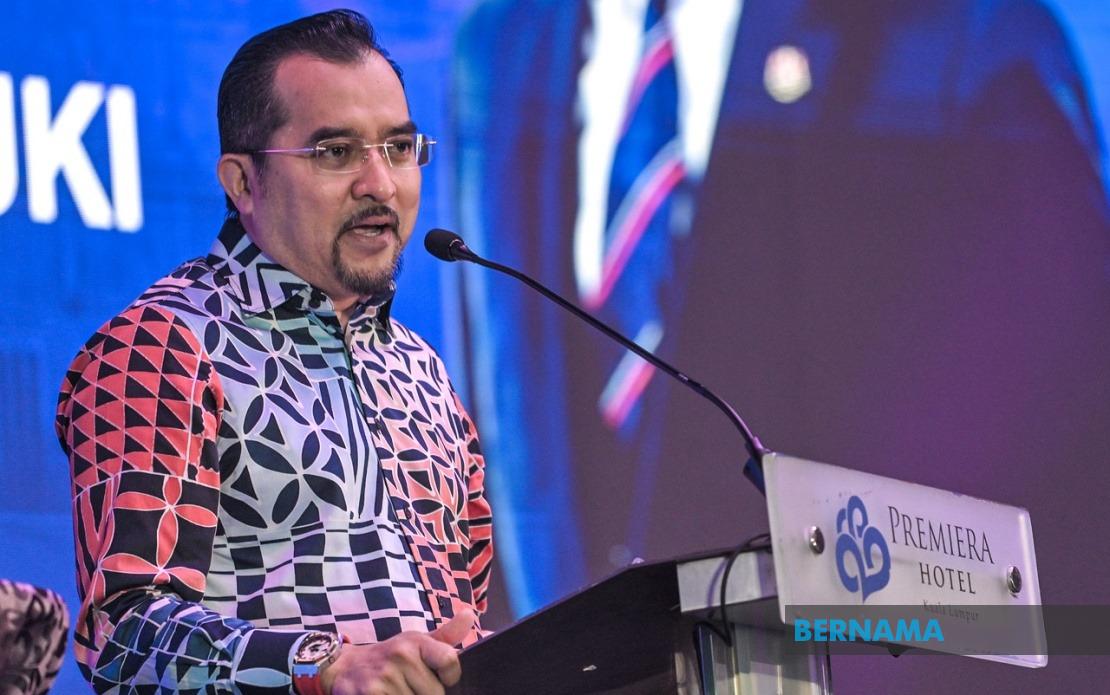
MARA will gradually introduce four full-time wardens drawn from former military personnel across all 58 MARA Junior Science Colleges (MRSM) nationwide, representing a significant shift in how the institution approaches student welfare and pastoral care. The initiative, announced by MARA chairman Datuk Dr Asyraf Wajdi Dusuki at the 2026 MARA Educators' Awards Day in Kuala Lumpur, will commence at ten colleges this year before rolling out to the entire network from January 2025. Each institution will be staffed with two male and two female former military personnel operating in a full-time capacity, a departure from the current reliance on teaching staff to juggle classroom duties with pastoral responsibilities.
The recruitment process reflects MARA's commitment to quality assurance in staffing. Selection and screening of male candidates has already concluded, with female warden recruitment expected to be finalised within the week. MARA collaborated with the Malaysian Armed Forces (ATM) and other relevant government agencies throughout the vetting process to ensure only former military officers with exemplary service records would be appointed. This collaborative approach underscores the institution's determination to maintain high standards in personnel selection and minimise risks associated with student supervision.
MARAs rationale for this structural change addresses a persistent challenge in Malaysian residential education: the dual burden placed on teaching staff. According to Asyraf Wajdi, classroom teachers frequently lack sufficient time to serve as full-time wardens while maintaining their instructional responsibilities. Former military personnel, he contended, bring ingrained discipline and organisational capabilities that naturally suit residential college management. Their background in hierarchical structures, routine maintenance, and behavioural code enforcement translates effectively into the boarding school environment where character development and moral grounding remain institutional priorities alongside academic excellence.
The initiative reflects broader Malaysian educational philosophy that emphasises holistic student development beyond examination results. MARA has consistently positioned itself as an institution deeply concerned with producing not merely academically accomplished graduates but individuals equipped with strong ethical foundations and civic values. The deployment of military-trained staff represents an operational manifestation of this commitment. By assigning dedicated personnel to residential supervision, MARA signals that discipline and character formation warrant dedicated institutional resources equivalent to those devoted to academic instruction.
For Malaysia's residential education sector, this move carries wider implications. MARA's 58 colleges educate a significant portion of the nation's high-achieving secondary students, many of whom will assume leadership positions across government, commerce, and civil society. The emphasis on military-style discipline training at this critical developmental stage may influence how an entire cohort of emerging leaders conceptualise institutional hierarchy, order, and ethical conduct. Whether such structured environments enhance resilience and responsibility or merely inculcate conformity remains a matter for educators and child development specialists to examine.
Parallel to this staffing enhancement, MARA highlighted impressive outcomes from its Technical and Vocational Education and Training (TVET) programmes, which achieve a 99.1 per cent graduate employability rate. This performance metric underscores the relevance of MARA's broader educational offerings beyond the MRSM system. The institution has secured strategic partnerships with major multinational corporations, exemplified by Samsung's recent recruitment of 700 MARA TVET graduates at a starting salary of RM3,500 per month. Such partnerships demonstrate that industry actively values MARA's skill-based training and perceives its graduates as meeting contemporary workplace demands. For Malaysian policymakers concerned with employment absorption and wage competitiveness in the regional market, MARA's TVET results provide encouraging evidence that vocational pathways can deliver economically viable outcomes.
Recognising excellence within the MRSM network, MARA allocated RM145,000 in special funding for five colleges that achieved top-tier performance in last year's Sijil Pelajaran Malaysia (SPM) examination. This targeted resource allocation acknowledges that differential investment in high-performing institutions can amplify their capabilities further, potentially establishing demonstration models that other colleges might emulate. The five identified colleges will deploy these funds toward excellence programmes designed to deepen student achievement and expand enrichment opportunities beyond standard curricula.
The timing of the warden deployment coincides with broader institutional reflection across Malaysia's education system regarding pastoral care and residential management. Urban secondary schools increasingly struggle with discipline issues and student welfare concerns, making MARA's proactive approach particularly noteworthy. By professionalising the warden function and recruiting personnel with military training, MARA essentially acknowledges that effective residential supervision demands specialised expertise rather than secondary assignment to teaching staff. This structural clarity may resonate with other boarding institutions facing similar challenges.
From a regional Southeast Asian perspective, MARA's strategy of drawing on military recruitment networks reflects confidence in the ATM's institutional capacity and alignment between educational and defence sector values. This civil-military cooperation in education remains relatively uncommon in the region and may warrant observation by other governments managing large residential secondary systems. The success or challenges of MARA's deployment will likely inform discussions about institutional partnerships and staffing models elsewhere across Southeast Asia.
Implementation success will ultimately determine whether this initiative meaningfully enhances student outcomes. Factors including warden training depth, management oversight, integration with existing academic structures, and institutional culture will collectively determine whether the programme achieves its stated objectives of strengthened discipline and character development. Early results from the ten pilot colleges will provide crucial evidence regarding the model's effectiveness before nationwide expansion proceeds.
For Malaysian families with children in MRSM institutions, the initiative signals institutional investment in their children's pastoral welfare and behavioural oversight. The professionalisation of warden roles may reassure parents that residential supervision now receives dedicated attention from trained personnel rather than stretched teaching staff, potentially enhancing parental confidence in the residential college system during a period when alternative educational pathways increasingly proliferate.

