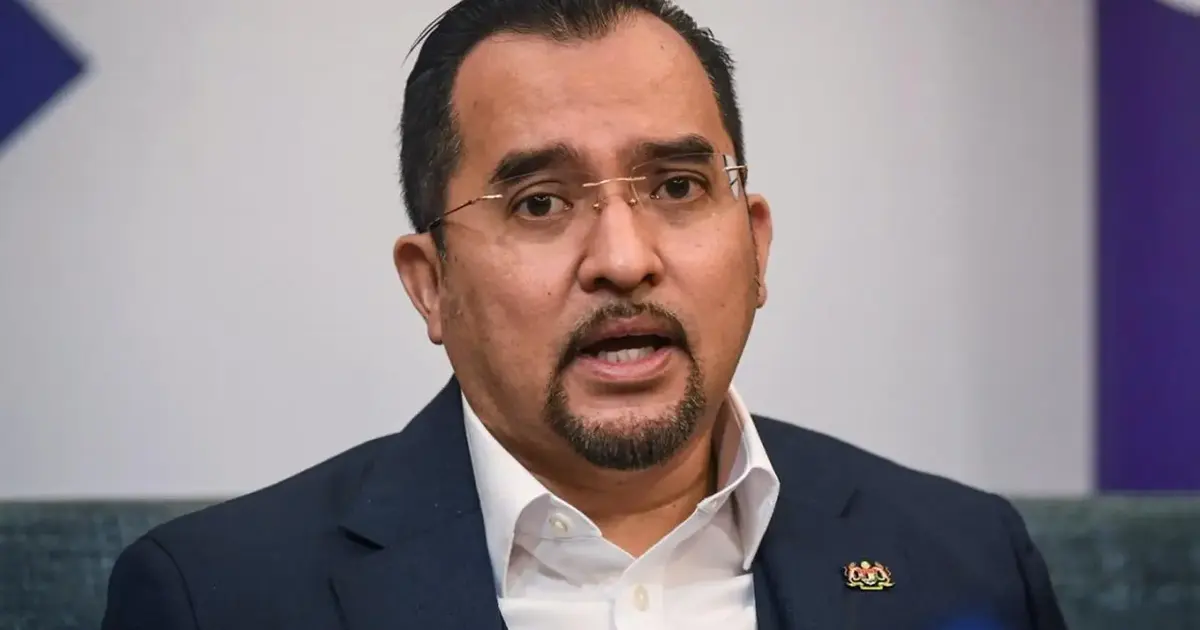
The leadership of MARA has escalated its response to bullying allegations by issuing a firm 24-hour deadline for a comprehensive investigation, signalling the institution's commitment to safeguarding student welfare on its campuses. MARA chairman Asyraf Wajdi Dusuki delivered the directive, underscoring the gravity with which the organisation views reports of student misconduct that undermine the college environment.
Asyraf Wajdi Dusuki's intervention represents a significant escalation in governance oversight, with the chairman demanding that the institution's disciplinary machinery move swiftly and decisively. The compressed timeline reflects institutional pressure to demonstrate responsiveness to welfare concerns that, if substantiated, could damage MARA's reputation as a leading provider of tertiary education to Bumiputera students. Such urgency also sends a clear message to the broader student community that complaints will be taken seriously rather than shelved in bureaucratic processes.
The disciplinary committee has been explicitly tasked with conducting a thorough examination of the allegations, moving beyond preliminary assessments to establish factual foundations for any action. This approach acknowledges that bullying—whether physical, verbal, or psychological—can have lasting impacts on victims' academic performance, mental health, and sense of belonging within the institution. MARA's willingness to institute swift procedures demonstrates recognition of how toxic peer dynamics can fester when institutional responses are delayed.
The promise of the "sternest possible action" against any students found culpable establishes a clear deterrent framework. This language indicates that standard disciplinary measures may be insufficient; the institution appears prepared to employ its full range of penalties, potentially including expulsion for egregious cases. Such firmness is particularly important in higher education settings where peer influence and social hierarchies can establish patterns of harmful behaviour that extend well beyond campus.
The urgency of the timeline also reflects evolving institutional accountability standards in Malaysia's higher education sector. As social media amplifies awareness of campus misconduct and parents become increasingly vocal advocates for their children's safety, educational institutions face heightened scrutiny. MARA's rapid response suggests the organisation understands that its credibility depends on demonstrating both moral commitment to student welfare and operational effectiveness in addressing violations.
Furthermore, the intervention by the chairman personally rather than delegation to lower administrative levels signals that bullying matters warrant executive attention. This elevates the issue beyond routine student conduct management and frames it as a strategic institutional concern. For Malaysian students and families considering MARA's colleges, such leadership engagement offers reassurance that safeguarding mechanisms operate with seriousness and oversight from the highest levels.
The 24-hour window, while compressed, raises practical questions about thoroughness in investigation. Disciplinary committees must balance speed with procedural fairness, ensuring that accused students receive due process while evidence is gathered and witnesses interviewed. Rushing investigations, even with good intentions, risks either misidentifying perpetrators or failing to capture the full scope of problematic behaviour patterns that may extend beyond individual incidents.
Context matters considerably here: bullying in tertiary institutions can involve complex social dynamics, power imbalances based on seniority or background, and patterns that individual victims may be reluctant to report due to fear of retaliation or social ostracism. A rapid investigation must therefore employ protocols that encourage witness cooperation and protect complainants, not merely establish basic facts.
The broader implications for MARA extend beyond individual disciplinary outcomes. Sustained bullying undermines institutional culture and can drive away talented students who feel unsafe or unwelcome. This is particularly consequential for MARA, given its mission to develop Bumiputera talent for leadership positions across Malaysian society. Students who experience bullying during their formative years in higher education carry those scars into their professional careers, potentially affecting their confidence and network-building capacity.
Institutionally, MARA's swift response also sets expectations for its peers across Malaysia's higher education landscape. Other colleges and universities will note that credible bullying allegations trigger immediate executive action rather than defensive delay. This competitive pressure on institutional conduct standards ultimately serves Malaysian students' interests by raising welfare expectations across the sector.
The investigation deadline also provides a moment for MARA to examine systemic factors that may enable bullying. Beyond individual perpetrator accountability, colleges must consider dormitory supervision protocols, peer mentoring structures, counselling services availability, and complaint mechanisms. A 24-hour investigation can address immediate allegations, but sustainable change requires institutional culture shifts supported by resources and training.
Asyraf Wajdi Dusuki's public commitment creates accountability mechanisms beyond internal disciplinary processes. The chairman has staked institutional credibility on demonstrable action, meaning that vague or lenient outcomes would generate reputational consequences. This externally visible commitment transforms the investigation from a routine administrative exercise into a consequential institutional statement about values and standards.
Moving forward, MARA's handling of this case will establish precedent for how the institution responds to future welfare concerns. Whether the disciplinary committee meets the chairman's expectations within 24 hours, how transparently outcomes are communicated, and whether systemic improvements follow will collectively determine whether this crisis moment strengthens or merely temporarily stabilises institutional safeguarding practices.

