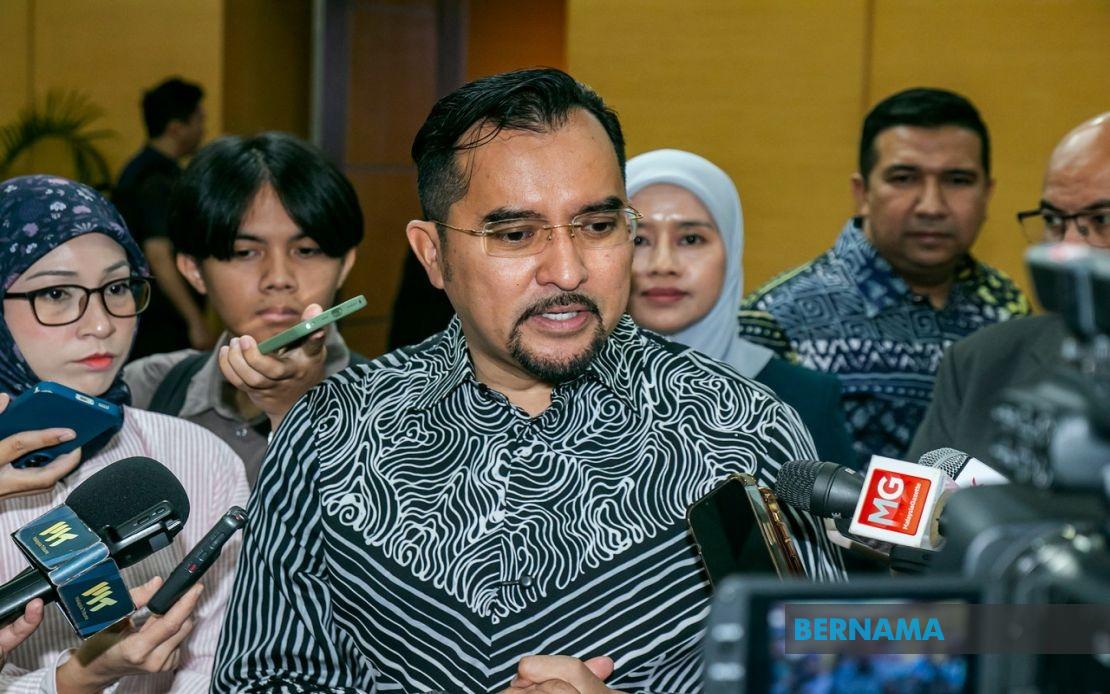
The Majlis Amanah Rakyat (MARA) is preparing major institutional reforms through a comprehensive legislative overhaul scheduled for tabling in Parliament this November. The proposed MARA Bill 2026 represents the culmination of efforts to modernise the 60-year-old statutory body, which has long served as a critical conduit for Bumiputera development and Malay interests in Malaysia. MARA chairman Datuk Asyraf Wajdi Dusuki confirmed that the bill has reached its final stages of preparation and has already secured policy approval from Cabinet, positioning it for imminent parliamentary consideration.
The legislative framework addresses longstanding governance challenges that have periodically afflicted the institution. Asyraf Wajdi explicitly framed the bill as a response to historical problems including abuse of power, governance weaknesses, misappropriation of funds, irregularities, resource leakage, and wastage. Rather than reactive patchwork fixes, the bill represents a systematic redesign of MARA's operational architecture to prevent recurrence of such issues and to insulate the institution from risks that could undermine its fundamental mission of safeguarding Bumiputera economic interests. This preventive approach signals recognition that robust structural safeguards, not merely administrative vigilance, are necessary to protect institutional integrity.
The centrepiece of the reform agenda involves a deliberate and significant reduction of the chairman's executive powers. Under the existing MARA Act 1966, the chairman wielded broad administrative authority that extended well beyond ceremonial or policy-setting functions. The 2026 bill fundamentally reframes this role, confining the chairman's responsibilities to chairing the Board of Directors or Council and determining overarching policy matters. Critically, the chairman will no longer hold administrative responsibility for day-to-day operations, a structural separation that introduces the institutional checks and balances that the original 1966 legislation largely lacked. This architectural change reflects contemporary corporate governance standards where executive power is distributed rather than concentrated, reducing the scope for individual misconduct or unilateral decisions that could compromise institutional resources.
Ashraf Wajdi's public articulation of this reform is notable for its depersonalisation of the agenda. He emphasised that the restructuring is not about the incumbent chairman but about establishing enduring institutional strength that will outlast any individual tenure. This framing is strategically important in Malaysian context, where institutional reforms often face resistance if perceived as targeting specific personalities rather than addressing systemic deficiencies. By positioning himself as a steward committed to leaving behind a robust legacy, the chairman has attempted to build consensus around structural changes that some stakeholders might otherwise view with suspicion or resistance.
The breadth of the proposed legislation indicates ambition beyond mere power redistribution. Approximately 80 per cent of the bill's substantive provisions focus directly on good governance frameworks, grounded in international corporate standards and best practices. This suggests comprehensive coverage of areas such as board composition and independence, financial accountability mechanisms, audit functions, conflict-of-interest management, transparency protocols, and decision-making procedures. For a body managing significant Bumiputera development resources and educational programmes across Malaysia, such systematisation of governance practices represents a substantial modernisation effort that should enhance public confidence in institutional stewardship.
The necessity for this legislative update reflects the growing distance between MARA's operating framework and contemporary governance expectations. The original MARA Act 1966 was drafted during Malaysia's early post-independence period when institutional design norms, regulatory awareness, and corporate practice standards were substantially different from today's environment. Asyraf Wajdi's observation that governance requirements differ across decades underscores that even well-intentioned institutions require periodic recalibration to remain aligned with evolving best practices and stakeholder expectations. This acknowledgement implicitly recognises that institutional obsolescence is not a function of malice but rather of changing circumstances and elevated standards.
For Malaysian readers and policymakers, the MARA Bill 2026 carries several significant implications. First, it demonstrates government commitment to addressing governance deficiencies in statutory bodies through structural legislative reform rather than superficial administrative adjustments. Second, the bill's emphasis on institutional separation of powers and external checks on executive authority provides a potential template for governance improvements across other Malaysian government agencies and statutory bodies facing similar pressures to demonstrate accountability and integrity. Third, the timing of the November parliamentary tabling suggests the government views this as a priority legislative item, indicating political will to advance the reform agenda despite potential resistance from various stakeholder groups.
The regional context is also relevant. Across Southeast Asia, state-owned enterprises and statutory bodies managing communal or affirmative action resources face persistent governance challenges. Malaysia's experience with MARA—and this attempt at comprehensive legislative remedy—may offer instructive lessons for neighbouring countries grappling with similar institutional integrity issues. The bill's focus on reducing concentrated executive power aligns with broader international trends toward distributed governance models and represents an adaptation of global best practices to Malaysian institutional circumstances.
Stakeholder reception will be critical to the bill's successful passage and implementation. MARA scholars, Bumiputera entrepreneurs relying on MARA support, civil service staff within the institution, and opposition parliamentarians will all scrutinise the proposals. The extensive emphasis on governance standards should appeal to transparency advocates and institutional integrity proponents. However, some may view expanded board authority or new audit mechanisms as bureaucratic constraints on operational agility. Political support appears secure given Cabinet approval, yet parliamentary debate may highlight concerns about whether structural reforms adequately address resource management, service delivery quality, and programme effectiveness alongside governance mechanics.
The bill's success will ultimately depend not merely on legislative passage but on genuine institutional commitment to operating within the new governance frameworks. Historical experience with statutory body reforms suggests that statutory change alone is insufficient without corresponding cultural shift, adequate resourcing of oversight mechanisms, and transparent accountability to beneficiary communities. Asyraf Wajdi's articulation of institutional legacy-building and governance integrity suggests awareness of this requirement, but implementation fidelity over successive leadership tenures will determine whether the 2026 bill produces lasting institutional transformation or remains largely symbolic.

