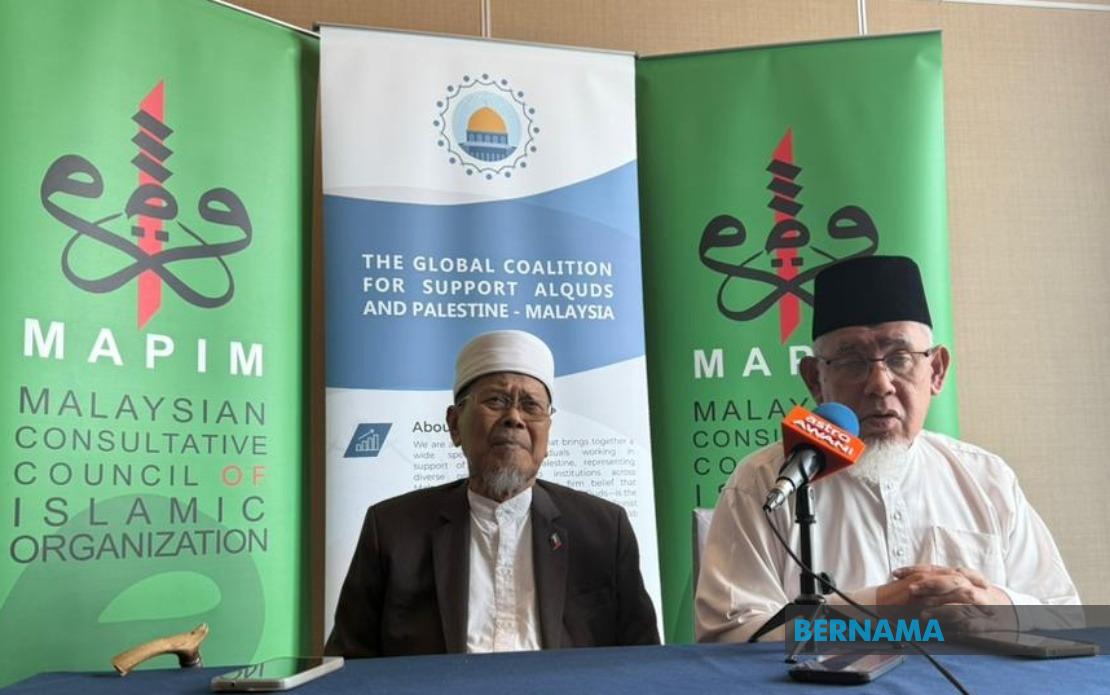
Malaysia's leading Islamic coordinating body, the Malaysian Consultative Council of Islamic Organisations (MAPIM), is mobilising a response to one of South Asia's worst natural disasters in recent years. The organisation announced plans to dispatch a humanitarian mission to Nepal on September 5, following devastating flash floods that have claimed hundreds of lives and left significant portions of the Himalayan nation reeling from the catastrophe.
The initial deployment will consist of four MAPIM volunteers tasked with conducting a thorough needs assessment across the affected communities and establishing coordination frameworks for aid distribution. This approach reflects standard humanitarian practice, where understanding ground-level conditions takes precedence before deploying larger-scale relief efforts. MAPIM president Mohd Azmi Abdul Hamid revealed these details during a press conference in Ipoh on August 28, emphasising that the organisation had already established preliminary contact with Nepal's diplomatic mission in Malaysia to secure an overview of the situation and identify priority areas for intervention.
The scale of the tragedy underscores the urgency of Malaysia's response. On August 26, catastrophic flash floods triggered by an avalanche swept through Nepal's mountain valleys, creating a devastating torrent comprising rocks, ice, mud and debris that tore through villages and critical infrastructure along a major trekking corridor connecting Kathmandu to Lhasa in Tibet. The preliminary death toll has reached at least 469 people, with more than 1,400 individuals still missing, nearly 540 of whom are foreign nationals caught in the disaster zone.
The human cost for Malaysians has proven particularly acute. According to reports compiled by Malaysia's Ministry of Foreign Affairs as of late August 27, at least 57 Malaysian nationals remain unaccounted for following the disaster. These individuals range from tourists exploring Nepal's renowned trekking routes to workers and residents in affected areas, creating significant anxiety among families awaiting news and placing Malaysia firmly within the international community's response framework to this regional emergency.
MAP IM's relief strategy reflects a nuanced understanding of humanitarian needs in post-disaster environments. Medical supplies have been identified as the paramount priority, a recognition that survivors face heightened risks from injuries, infection and disease in the aftermath of such catastrophic events. The organisation has also prioritised the distribution of basic food provisions to affected populations, addressing fundamental sustenance needs among communities whose supply chains have been disrupted by widespread infrastructure damage. This dual focus on medical and nutritional support represents a practical response to the most immediate human suffering.
To amplify the impact of its efforts, MAPIM has actively sought partnerships extending beyond its own membership networks. The organisation is collaborating with MyCare, an established Malaysian humanitarian entity with experience in international relief operations, alongside two locally-based Nepali NGOs positioned to provide cultural competency and access to affected communities. This multi-layered partnership approach acknowledges that effective disaster response requires combining international resources with local knowledge and networks capable of reaching the most vulnerable populations in remote or damaged areas.
The deployment arrives at a critical juncture in Nepal's disaster response cycle. The immediate aftermath of such catastrophes creates windows of opportunity where rapid intervention can prevent secondary deaths resulting from disease, malnutrition and inadequate medical care. Nepal's mountainous terrain and damaged infrastructure create particular logistical challenges for aid distribution, making early coordination and strategic resource positioning essential for maximising humanitarian impact. MAPIM's decision to send assessment teams first reflects understanding of these complexities rather than rushing larger deployments that might prove inefficient without proper local coordination.
MAP IM's initiative also carries broader political significance for Malaysia's engagement with South Asia and the Islamic world. The organisation represents Malaysia's primary interface with Muslim communities globally, and its humanitarian deployment demonstrates Malaysian solidarity extending beyond bilateral relations into the realm of universal human compassion. The decision to involve the Prime Minister's office in formally notifying the government about this mission indicates recognition of the relief effort's diplomatic dimensions and Malaysia's commitment to constructive regional engagement during crises.
Mohd Azmi articulated this broader vision during his announcement, framing the mission as conveying "the solidarity and wish of all Malaysians to come together and help ease the burden faced by the disaster victims." This language transcends organisational boundaries, positioning Malaysia itself as a nation responding to shared human tragedy. For Malaysians with personal connections to Nepal—whether through family, work or tourism—such official recognition of their plight provides reassurance that their government and major national organisations remain engaged in their welfare.
The timing and scale of this response also reflect Malaysia's growing humanitarian footprint across Asia. As a middle-income nation with sophisticated NGO networks and established disaster response capabilities, Malaysia has increasingly positioned itself as a contributor to regional stability and human security. MAPIM's Nepal mission, while modest in initial scope, represents part of this broader pattern of Malaysian engagement in addressing the humanitarian crises that periodically devastate South and Southeast Asian populations.
Looking forward, the success of this mission may establish templates for future Malaysian responses to regional disasters. The emphasis on partnership with established international humanitarian organisations, coordination with local NGOs, and phased deployment beginning with needs assessment reflects best practices emerging from decades of humanitarian experience. If executed effectively, MAPIM's Nepal operation could demonstrate Malaysian capacity for rapid, coordinated disaster response while reinforcing Malaysia's position as a responsible stakeholder in regional security and human welfare challenges.

