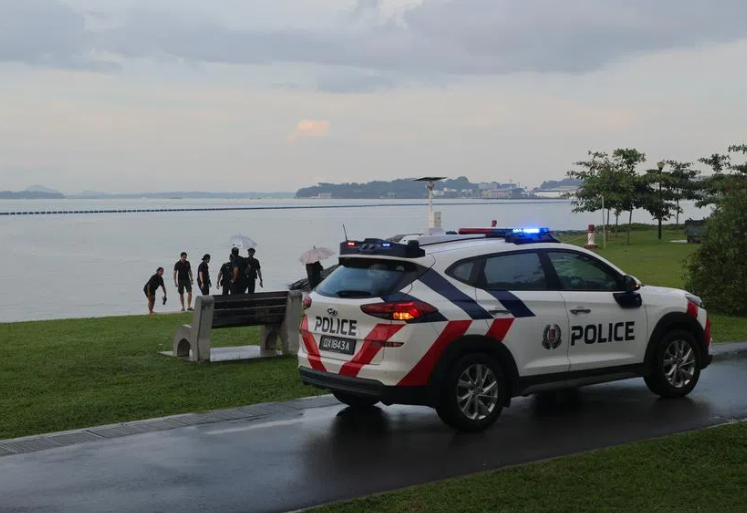
A man has died following a lightning strike while paddleboarding in waters near Singapore's Pasir Ris Beach on Sunday afternoon, marking a sobering reminder of the dangers posed by thunderstorms in the tropical region. The 24-year-old victim was struck along with six other people during recreational water activities, making this the latest in a series of weather-related incidents affecting the island nation.
Authorities received notification of the incident at approximately 4.50pm on July 5 near 131 Pasir Ris Road. The young man was brought to hospital unconscious and subsequently succumbed to his injuries, according to a police statement released early on July 6. A total of seven individuals were affected by the lightning strike, with the victim being the only fatality. The remaining six casualties, ranging in age from 13 to 54 years old, all remained conscious when transported to medical facilities.
The Singapore Civil Defence Force transported five of the injured individuals to Sengkang General Hospital, while two younger victims were taken to KK Women's and Children's Hospital for treatment of their injuries. The group had been engaged in water sports activities, specifically paddleboarding and kayaking, when the unexpected weather phenomenon struck. Police have indicated that preliminary investigations reveal no indication of criminal activity, with authorities continuing their inquiries into the circumstances surrounding the tragedy.
Eyewitness accounts paint a vivid picture of the dramatic rescue efforts that unfolded on the beach. Muhammad Fairuz, a 40-year-old delivery rider who was fishing near the shoreline, observed the kayaking and paddleboarding group positioned approximately 100 metres offshore when the lightning struck. Despite clear skies moments before the incident, the electrical discharge was powerful enough that Fairuz felt the current travel through his own fishing rod. Hearing shouts from the water, he spotted one man lying unconscious on his paddleboard while his companions paddled frantically back to land in their kayaks.
Fairuz and another beachgoer immediately responded by taking their own kayaks out to retrieve the injured man and bring him ashore. The swift action of these bystanders likely prevented an even more tragic outcome, as they managed to transport the victim back to land where emergency responders were able to begin resuscitation attempts. Video footage captured by an onlooker around 5.10pm showed SCDF personnel administering chest compressions on the beach, with a Light Fire Attack Vehicle and ambulance positioned nearby on the pavement.
For residents and visitors across Singapore and the broader Southeast Asian region, this incident underscores the significant meteorological hazard posed by tropical thunderstorms. According to data from the Meteorological Service Singapore, the island experiences an average of 176 lightning days annually, based on records from the Changi climate station. A lightning day is officially defined as any day during which at least one lightning occurrence is detected at the monitoring station. This frequency places Singapore within a region particularly susceptible to lightning-related dangers, a reality that residents and tourists must acknowledge when planning outdoor and water-based activities.
The incident is not an isolated occurrence within recent months. Just weeks earlier in May, a worker employed at a fish farm in the vicinity died after suffering a direct lightning strike. Additionally, in December 2023, three workers were hospitalized after lightning struck near their worksite on December 28. These repeated incidents suggest a troubling pattern and highlight the need for greater public awareness regarding lightning safety protocols, particularly in occupational settings and recreational water areas.
The tragedy raises important questions about safety measures and weather monitoring systems at public beaches and recreational areas. While meteorological forecasting has become increasingly sophisticated, the sudden nature of electrical storms and the speed at which conditions can deteriorate pose challenges for timely public warnings. The incident occurred during what appeared to be fair weather, catching recreational users off guard—a pattern consistent with tropical lightning strikes that can develop rapidly without extensive warning periods.
For the Malaysian and broader Southeast Asian context, this incident carries particular relevance given similar tropical climate patterns and the prevalence of water-based recreational activities throughout the region. Beaches, coastal areas, and inland water bodies that attract paddleboarders, kayakers, and swimmers face comparable risks during the monsoon seasons and afternoon thunderstorm periods that characterize equatorial climates. The incident at Pasir Ris Beach serves as a cautionary tale for beach authorities, tour operators, and recreational enthusiasts across the region regarding the necessity of implementing stricter weather-monitoring protocols and public education initiatives.
Authorities have not released recommendations regarding revised safety procedures or beach closure protocols in response to the incident, though such measures may be considered as investigations progress. The case also highlights the importance of first-aid training and the availability of trained responders at popular recreational locations, as immediate intervention can be critical when dealing with lightning strike victims who require sustained cardiac support and emergency medical care.

