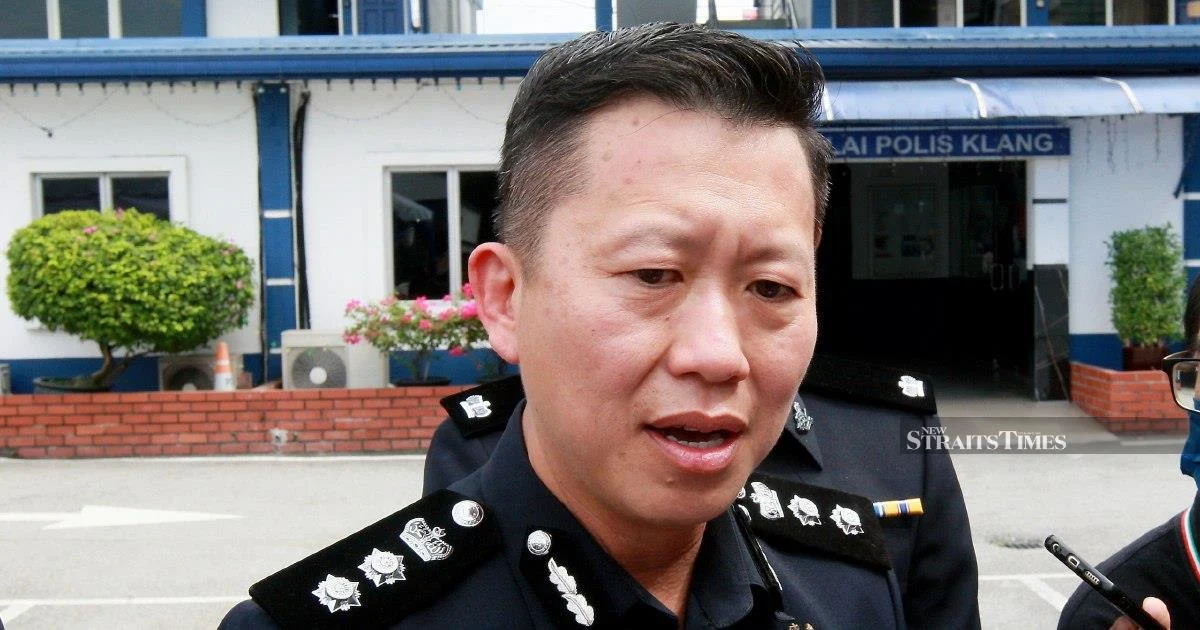
Police authorities in Klang have taken a 46-year-old suspect into custody following serious allegations that he threatened to shoot an assistant environmental health officer serving with the Malaysian Border Control and Protection Agency. The arrest underscores mounting concerns about workplace safety and intimidation directed at government officials enforcing regulatory mandates, particularly those working in border security and health surveillance roles that frequently intersect with public compliance issues.
The MCBA, responsible for protecting Malaysia's borders and implementing health protection measures, operates in a complex environment where officers regularly interact with the public while performing inspections and enforcement duties. Environmental health officers, in particular, handle sensitive matters relating to disease prevention, hygiene compliance, and quarantine protocols—responsibilities that can provoke tensions when individuals resist regulatory requirements or perceive official actions as intrusive. This incident reflects broader challenges facing frontline government workers who balance public safety imperatives against potential backlash from those opposing their interventions.
The alleged threat carries significant implications for the broader culture of respect towards public sector workers in Malaysia. Acts of intimidation or violence targeting officials executing their duties represent not merely personal grievances but attacks on institutional authority itself. When citizens resort to threatening behaviour—especially involving weapons—it erodes the operational environment within which necessary public health and border security functions must operate. The incident also raises questions about what circumstances prompted such a serious allegation and whether similar tension exists elsewhere within MCBA's operational framework.
Clang's police force, responsible for investigating the case, likely examined evidence regarding the nature of the threat, the circumstances under which it was made, and whether the suspect possessed means to carry out such an action. Threats against armed or uniformed officers are treated with particular gravity under Malaysian law, given the potential to escalate into actual violence and the implications for public safety. The investigation would typically involve examining communications records, witness statements, and the relationship—if any—between the suspect and the targeted officer.
The MCBA comprises personnel undertaking critical frontier protection functions at Malaysia's international boundaries while simultaneously managing border-related health surveillance. During periods of heightened disease awareness, whether relating to avian influenza, Covid-19, or other communicable disease concerns, border health officers face amplified scrutiny and occasional resistance from those crossing borders or operating in border zones. Such tensions have occasionally boiled over into confrontational exchanges, though explicit threats of lethal violence remain comparatively rare incidents warranting police action.
For Southeast Asian readers, this case highlights the evolving challenges facing border security agencies across the region. As nations strengthen health monitoring and regulatory enforcement at frontiers, officers increasingly find themselves at the intersection of public health authority and security responsibility. Malaysia's experience provides insight into the pressures these agencies encounter and the necessity for both proper training in de-escalation and robust legal protections for personnel facing intimidation.
The incident also touches on broader questions about civic responsibility and respectful engagement with government institutions. While citizens retain the right to disagree with or challenge official actions through appropriate legal channels, crossing into explicit threats or intimidatory behaviour undermines the rule of law and peaceful civil order. The alleged threat represents a particularly serious form of non-compliance with social norms that permit democratic discourse.
Workplace safety remains a critical concern for government agencies throughout Malaysia, particularly those whose officers operate in environments where they may encounter hostile reactions. The detention sends a signal that authorities take such threats seriously and will pursue legal remedies to protect public servants. This prosecutorial response, while necessary, should ideally be complemented by preventive measures including better conflict resolution training for officers and clearer communication about regulatory requirements to reduce friction with the public.
The case proceedings will likely proceed through Selangor's criminal justice system, with outcomes potentially setting precedent for how similar allegations are handled. Whether charges are ultimately filed and the severity of any conviction will depend on evidence presented and legal interpretations of Malaysian statutes covering threats and intimidation. The investigation's conclusion will provide clarity on the specific nature of the alleged threat and the circumstances that generated such extreme rhetoric.
Beyond the immediate case, this arrest prompts reflection on the relationship between government agencies and their public constituencies, particularly regarding enforcement functions that may be contested. Maintaining public trust while enforcing necessary regulations requires ongoing communication, transparency in decision-making, and respect for civil liberties—elements that ideally prevent the escalation toward threats that land individuals before the courts.

