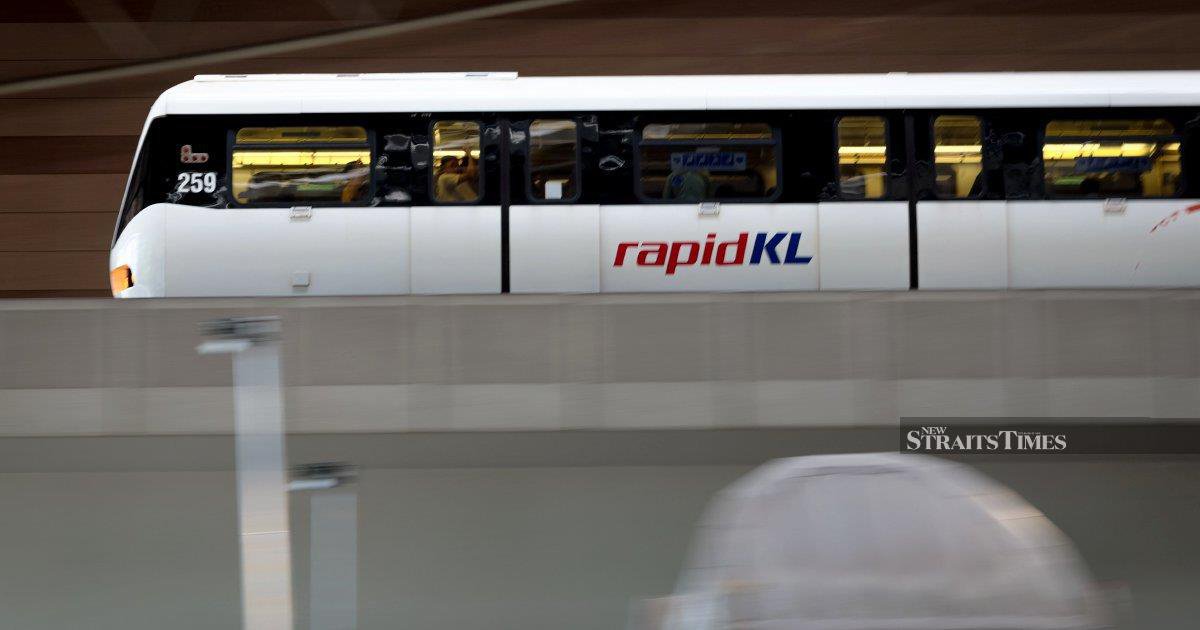
Police arrested a man early today following his unauthorised entry onto the tracks of Rapid KL's Shah Alam Line at Jalan Meru Station, an incident that caused temporary disruption to commuter train services in the Klang Valley. The intrusion prompted immediate intervention from rail operations personnel and law enforcement, highlighting ongoing concerns about track safety and unauthorised access to critical transit infrastructure in the region.
The trespass occurred during the early morning hours when services typically operate at reduced capacity, though the disruption still affected commuters relying on the Shah Alam Line for their journeys. Rapid KL, the regional transit authority managing the light rail network, activated standard safety protocols upon discovery of the unauthorised person on the tracks, which included halting or slowing services to ensure passenger and staff safety. This precautionary measure, while essential, resulted in temporary delays for passengers at various stations along the corridor.
Jalan Meru Station, located in the Petaling Jaya area, serves as a key interchange point on the Shah Alam Line and experiences regular daily traffic from commuters accessing the city centre and surrounding employment districts. The incident at this busy station underscores the vulnerability of open-access transit infrastructure to unauthorised entry, a problem that transport authorities across Malaysia have grappled with for years. Despite various security measures, determined individuals continue to find ways onto operational railway tracks, creating hazardous situations for themselves and disrupting services for thousands of daily users.
The reasons for the man's trespass remain under investigation by police, who will determine whether the incident was deliberate, accidental, or motivated by other factors. In Malaysia's urban rail network, such occurrences range from individuals crossing tracks to save time or avoid waiting at platforms, to cases involving mental health crises or criminal intent. Each incident requires careful investigation to establish appropriate responses and preventative measures. The police investigation will examine the circumstances surrounding his presence on the tracks and determine whether any charges beyond trespass will be filed.
Rapid KL has consistently emphasised the dangers associated with unauthorised track access, yet public awareness campaigns have achieved limited success in deterring occasional trespassers. The railway operator has invested in various safety infrastructure improvements, including enhanced fencing, surveillance systems, and staff training protocols designed to respond swiftly to such incidents. However, enforcement of track safety regulations remains challenging, particularly during off-peak hours when fewer personnel are stationed at smaller stations.
The Shah Alam Line, which connects major residential and commercial hubs across the Klang Valley, typically handles substantial passenger volumes during peak hours. Service disruptions, however brief, cascade through the commuter network and force thousands of passengers to seek alternative routes or experience significant delays. For commuters with time-sensitive commitments, even temporary stoppages create frustration and raise questions about the reliability of rail services. This incident, though resolved quickly, adds to a pattern of service interruptions that undermine public confidence in the transit system.
From a broader perspective, this arrest reflects the ongoing challenge of balancing accessibility and safety in Malaysia's public transportation infrastructure. Rail networks must remain open and welcoming to legitimate users while simultaneously preventing unauthorised access that endangers lives and disrupts operations. Transit authorities continue exploring technological solutions, including motion sensors, artificial intelligence monitoring systems, and automated alert mechanisms, to detect intrusions faster and reduce response times. Yet these technological measures require sustained investment and integration across multiple stations and track sections.
The incident also raises questions about passenger behaviour and respect for public infrastructure safety protocols. Educational campaigns conducted by Rapid KL and other transport operators regularly warn commuters about the severe consequences of trespassing, including electrocution risks and collision hazards from oncoming trains. Despite these warnings, a minority of individuals continue to ignore safety regulations, motivated by time pressures, carelessness, or other factors. Creating a culture of transport safety requires ongoing engagement with commuters and communities across the Klang Valley.
As Rapid KL investigates this incident and police complete their enquiries, the episode serves as a reminder of the fragility of metropolitan rail operations. A single unauthorised person on the tracks can disrupt the journeys of thousands within minutes. For regional rail systems serving rapidly expanding urban centres like Kuala Lumpur and Selangor, maintaining operational continuity while ensuring passenger safety represents a perpetual balancing act. The arrest and investigation will likely prompt renewed emphasis on track security protocols and public awareness initiatives aimed at preventing similar incidents in the future.

