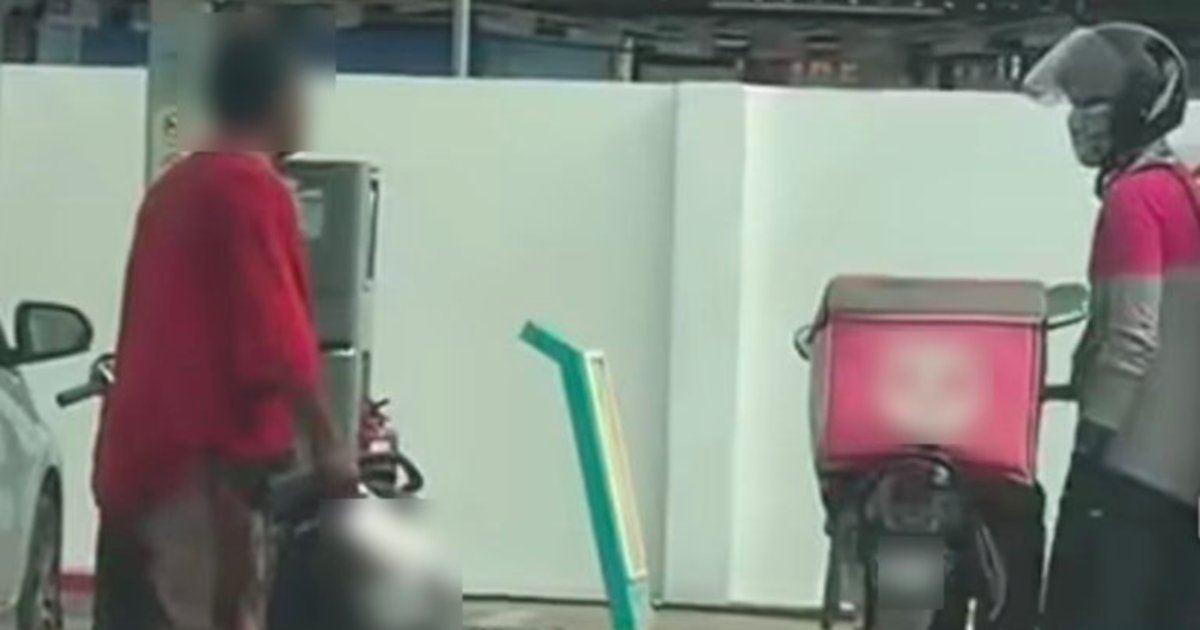
Police in Kuala Terengganu have detained a suspect following an alarming incident at a petrol station on Jalan Pasir Panjang, where a man allegedly displayed aggressive behaviour and menaced a ride-hailing worker with a meat cleaver. The confrontation occurred in the afternoon and prompted swift intervention by law enforcement, who took the man into custody to investigate the circumstances surrounding the threat.
The incident adds to mounting concerns over the personal safety of ride-hailing drivers operating across Malaysia. Workers in the transportation network have increasingly reported unsettling encounters with passengers and members of the public, ranging from verbal altercations to physical threats. The emergence of weapon-related incidents in broad daylight at public venues such as petrol stations underscores the unpredictable nature of threats these workers face during their daily operations.
Ride-hailing platforms have become integral to Malaysia's transportation ecosystem, providing convenient alternatives to traditional taxi services and connecting thousands of drivers with passengers seeking mobility solutions. However, the occupation carries inherent risks, as drivers frequently encounter individuals from diverse backgrounds in isolated or semi-public settings. The sector lacks comprehensive safety protocols comparable to those in developed nations, where driver protection measures and passenger verification systems are more stringent.
Petrol stations serve as common waypoints along routes travelled by ride-hailing vehicles, making them frequent locations for passenger pickups, drop-offs, and rest breaks. The selection of such a public setting for the alleged confrontation raises questions about whether bystanders intervened or alerted authorities, and whether surveillance systems at the establishment captured footage of the incident. These details will likely prove crucial as investigators piece together the sequence of events.
The use of a meat cleaver, a common kitchen tool in Malaysian households, transforms what might have begun as a verbal dispute into a serious criminal matter. The decision to brandish such an implement signals intent to intimidate or cause harm, elevating the charge beyond mere aggressive conduct. Police will need to establish whether the weapon was produced as a spur-of-the-moment threat or represented premeditated action, as this distinction carries significant implications for prosecution.
Understanding the trigger for the confrontation remains critical. Disputes involving ride-hailing services frequently stem from disagreements over routes, fares, cancellation policies, or perceived disrespect between parties. In some instances, intoxication or substance use amplifies tensions and impairs judgment. The detention of the suspect allows authorities to interview both him and the affected driver, gather witness statements, and examine any available recordings to establish a factual narrative.
For ride-hailing workers across the Terengganu region and throughout Malaysia, such incidents reinforce the importance of adhering to personal safety practices. Many platforms recommend drivers avoid confrontations, decline suspicious bookings, and maintain communication with platform support teams when uncomfortable situations arise. Installing in-vehicle cameras and utilising real-time GPS tracking provide additional layers of protection and can serve as deterrents against violent behaviour.
The response by Kuala Terengganu police reflects broader efforts by enforcement agencies nationwide to take threats against ride-hailing workers seriously. Several state police contingents have launched awareness campaigns and training sessions encouraging drivers to report dangerous passengers and suspicious conduct. These initiatives aim to create accountability among platform users and cultivate a culture where threatening behaviour carries tangible consequences.
From a broader perspective, this incident highlights gaps in passenger vetting mechanisms employed by ride-hailing platforms. While digital platforms facilitate rapid driver-passenger matching, comprehensive background checks remain uncommon in the Malaysian ride-hailing industry. Implementing more rigorous verification procedures and establishing rating systems that flag problematic users could reduce the frequency of dangerous encounters, though such measures must balance safety with accessibility.
The arrest and ongoing investigation will likely influence conversations among ride-hailing workers about occupational hazards and the adequacy of support systems. Worker associations and labour groups have previously called for mandatory safety training, insurance coverage for injury sustained during work, and grievance mechanisms when drivers face mistreatment. This case may embolden advocacy efforts seeking stronger protections.
Police investigations into such matters typically examine the suspect's background, mental health status, and prior criminal history to determine whether additional charges or protective orders are warranted. Prosecutors will assess the severity of the threat and whether it meets thresholds for charges ranging from criminal intimidation to more serious weapon-related offences. The outcome will set precedent for how authorities address similar cases regionally.
As the investigation unfolds in Kuala Terengganu, the incident serves as a sobering reminder of the vulnerabilities confronting Malaysia's growing gig economy workforce. Ensuring their safety requires coordinated efforts involving law enforcement, ride-hailing platforms, and public awareness of the broader pressures these workers navigate daily.

