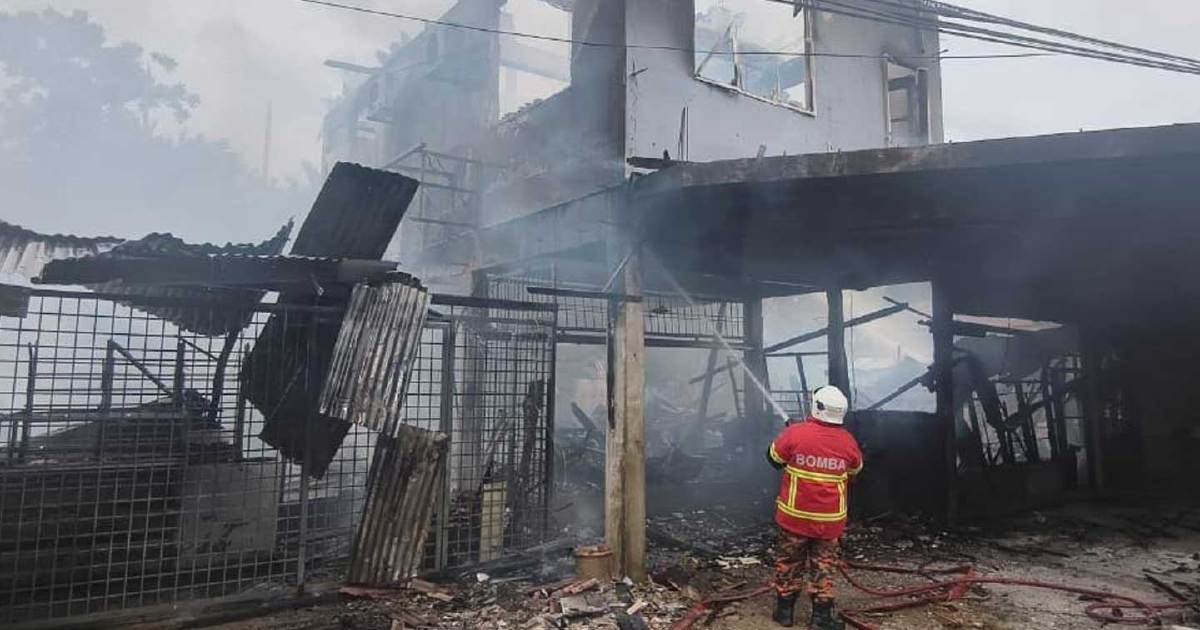
A 36-year-old man arrested in connection with a house fire in Jitra has been ordered into five-day police remand as investigations gather momentum. The suspect, who stands accused of deliberately setting ablaze his mother's residence in Kampung Sungai Baru, appeared before the court where the remand period was granted to facilitate ongoing inquiries into the matter.
The decision to remand the suspect reflects the seriousness with which authorities are treating the case, particularly given the domestic nature of the incident and the potential implications for fire safety and family-related criminal conduct in the state. Law enforcement personnel are examining circumstances surrounding the alleged arson as part of standard investigative procedures that typically accompany charges of this magnitude in Kedah.
House fire incidents involving family members present multifaceted challenges for both emergency responders and law enforcement agencies. Beyond the immediate property damage and safety concerns, such cases often point to underlying interpersonal tensions or disputes that merit thorough examination. The five-day remand period provides investigators the opportunity to conduct interviews, gather corroborating evidence, and establish a comprehensive timeline of events leading up to the fire.
Arson cases carry substantial legal consequences in Malaysia under the relevant penal provisions, particularly when property destruction places lives at risk or involves residential structures. The potential motivations behind such acts range from financial incentives to relationship breakdowns or mental health crises, each requiring distinct investigative approaches to establish culpability beyond reasonable doubt. Authorities in Jitra will need to determine whether the fire was deliberately set and, if so, what precipitated such an extreme course of action.
The remand decision underscores the judicial system's commitment to ensuring that sufficient investigative groundwork is completed before formal charges are determined. During this period, police will likely secure statements from witnesses, examine physical evidence recovered from the scene, and reconstruct the sequence of events using available forensic data. The mother's observations regarding her son's actions and any preceding confrontations will prove instrumental in corroborating or refuting the allegations.
Kampung Sungai Baru residents may find themselves drawn into the investigative process, either as witnesses or through informal community knowledge about the relationship dynamics between the suspect and his mother. Local fire department records and structural assessments of the damaged property will contribute technical dimensions to the case, establishing how the fire commenced and whether its origin is consistent with accidental causes or deliberate ignition.
Family-related criminal matters in Malaysia increasingly attract attention from social welfare agencies alongside law enforcement, recognising that criminal prosecution represents only one dimension of addressing underlying problems. Should mental health concerns or substance abuse issues factor into the circumstances, rehabilitation services may eventually complement judicial proceedings. This integrated approach reflects growing recognition that purely punitive measures often prove insufficient without addressing root causes.
The availability of a five-day remand period allows investigators to operate within established procedural safeguards while acquiring the evidence necessary to justify potential charges. Malaysian courts routinely grant such periods when authorities present credible grounds suggesting further investigation will yield material information. The remand term may be extended if investigators petition for additional time, though such extensions face judicial scrutiny to prevent indefinite detention.
For residents across Kedah and broader Malaysia, cases involving alleged domestic arson highlight the volatility that can manifest within family relationships when conflicts escalate unchecked. Community awareness programmes addressing conflict resolution and mental health support mechanisms represent preventative measures that complement law enforcement's reactive role. Emergency services regularly encounter situations where domestic tensions manifest in dangerous ways, underscoring the interconnection between social cohesion and public safety.
As the investigation progresses throughout the remand period, the suspect will remain in custody unless circumstances warrant bail consideration at subsequent hearings. The outcome of this case will depend substantially on forensic findings, witness testimony, and any admissions or explanations provided during questioning. Authorities must establish clear chains of evidence demonstrating both the deliberate nature of the fire and the suspect's direct involvement or culpability.
The judicial system's approach to this matter will influence how similar cases are managed going forward, particularly in establishing evidentiary standards for domestic arson allegations. The case illustrates the practical challenges faced by Malaysian law enforcement when addressing serious criminal conduct within family contexts, where emotional dimensions complicate straightforward criminal investigation. Observers will monitor developments as the remand period concludes and prosecutors determine whether sufficient grounds exist to proceed with formal charges.

