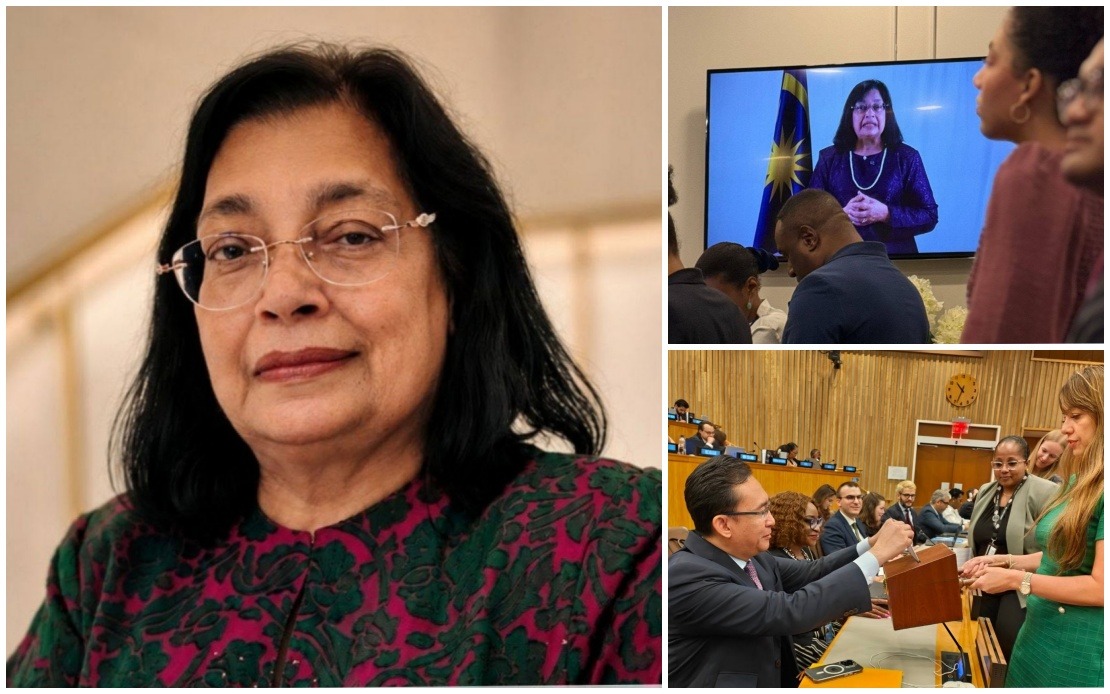
Malaysia has achieved significant international recognition in the arena of child protection advocacy, with Datuk Yasmeen Muhamad Shariff elected to the United Nations Committee on the Rights of the Child for the 2027–2031 term. The vote took place on Tuesday during proceedings at UN Headquarters in New York, where the 21st Meeting of States Parties to the Convention on the Rights of the Child convened to select committee members. Yasmeen's victory represents a strong endorsement from the global community, as she garnered 136 votes from the 189 States Parties present and voting—the highest tally in the election.
Yasmeen's election carries particular significance as it marks her return to the committee after a decade-long interval. She previously served as a member during the 2013–2017 term, meaning her re-election demonstrates sustained confidence in her expertise and commitment to advancing child welfare at the international level. The Foreign Ministry, known formally as Wisma Putra, emphasized that her re-election reflects the trust and recognition extended to her by the international community regarding her knowledge and dedication to protecting children's rights and promoting their wellbeing across diverse contexts.
The Committee on the Rights of the Child functions as the principal UN body responsible for overseeing how signatory nations implement the Convention on the Rights of the Child, one of the most widely ratified human rights treaties globally. Members serve in their individual capacity as independent experts rather than as state representatives, allowing them to offer impartial assessments and recommendations. Yasmeen will contribute to the committee's critical work of engaging in substantive dialogue with States Parties, monitoring compliance with convention obligations, and advocating for rights-based approaches to contemporary challenges facing children worldwide.
Malaysia's successful nomination underscores the country's standing within the international community on child protection matters. The Foreign Ministry framed Yasmeen's appointment as validation of Malaysia's broader commitment to advancing children's rights through comprehensive policy frameworks, legislative modernization, and targeted programmes designed to enable every child to fulfill their potential. This positioning reflects Kuala Lumpur's strategic emphasis on child welfare as a cornerstone of national development and social progress.
The election occurs within a global context where children face mounting challenges ranging from armed conflict and poverty to digital exploitation and climate-related displacement. The committee's oversight role has grown increasingly vital as the international community grapples with implementing the convention's principles across diverse economic, cultural, and political systems. Expert members like Yasmeen bring credibility and specialized knowledge to evaluating state performance and identifying best practices that can be shared across jurisdictions.
Yasmeen's previous tenure on the committee from 2013 to 2017 provided her with institutional experience and networks that enhance her effectiveness in the forthcoming term. Her return suggests the committee values continuity and relationship-building alongside fresh perspectives. The gap between her two terms also means she brings accumulated professional experience and potentially insights gleaned from intervening developments in child protection policy and practice within Malaysia and the broader Asia-Pacific region.
Malaysia's nomination strategy involved coordination across multiple government agencies, with the Foreign Ministry working closely with the Ministry of Women, Family and Community Development to build the candidacy. Wisma Putra explicitly acknowledged this inter-agency collaboration as instrumental to securing the robust electoral mandate Yasmeen received. Such coordination reflects how nations approach UN committee elections—treating them as whole-of-government endeavors where different ministries contribute relevant expertise and build diplomatic support.
The appointment arrives amid Malaysia's stated commitment to implementing the Convention on the Rights of the Child comprehensively. The country has incorporated child protection principles into domestic legislation and programmes, though like many developing nations, faces ongoing challenges in translating international commitments into universal access to quality education, healthcare, and protection services for all children. Yasmeen's presence on the international committee provides Malaysia with an influential voice in shaping global discourse on emerging child protection issues.
The committee's work encompasses evaluating periodic reports from States Parties, issuing recommendations, and developing general comments that interpret convention provisions in light of evolving understandings of child development, rights, and protection. Members engage in confidential sessions with state representatives and public reviews of national implementation records. This visibility amplifies the committee's ability to drive policy improvement and norm-setting, making selection to membership a significant diplomatic achievement.
For Southeast Asia more broadly, Yasmeen's election adds regional representation to the committee's composition, potentially enhancing sensitivity to issues affecting children in developing economies and lower-middle-income countries. The region faces distinctive challenges including trafficking, migrant child labour, and education access disparities that benefit from expert advocacy informed by ground-level understanding. Her appointment signals that international bodies are increasingly recognizing the value of geographic and professional diversity in oversight mechanisms.
Looking ahead to 2027–2031, Yasmeen will likely engage with evolving global priorities including digital rights for children, mental health and psychological support, climate adaptation strategies protecting vulnerable youth, and responses to displacement and migration. The committee typically adapts its thematic focus to reflect pressing international concerns, requiring members to balance monitoring state compliance with broader advocacy and norm-development responsibilities.
Malaysia's government has characterized the election outcome as validating the nation's child-centered policy direction and reinforcing its international commitments. The Foreign Ministry's statement positioning the appointment within broader narratives of inclusive governance and potential-maximizing reflects how countries leverage such victories for diplomatic messaging. Yasmeen's re-election thus functions both as recognition of individual expertise and as confirmation of Malaysia's standing as a responsible participant in global child protection architecture.