The Ministry of Energy Transition and Water Transformation (PETRA) has announced plans to initiate an extensive research programme examining the development of a comprehensive Industrial Water Reclamation Policy, with the investigation expected to span a minimum of 12 months. The initiative reflects growing recognition within Malaysian policymaking circles that conventional approaches to water management require supplementation through innovative technologies and practices. By establishing a formal policy framework around reclaimed water, the government seeks to address mounting pressures on the nation's freshwater resources while simultaneously creating pathways for industries to reduce their dependence on potable supplies.
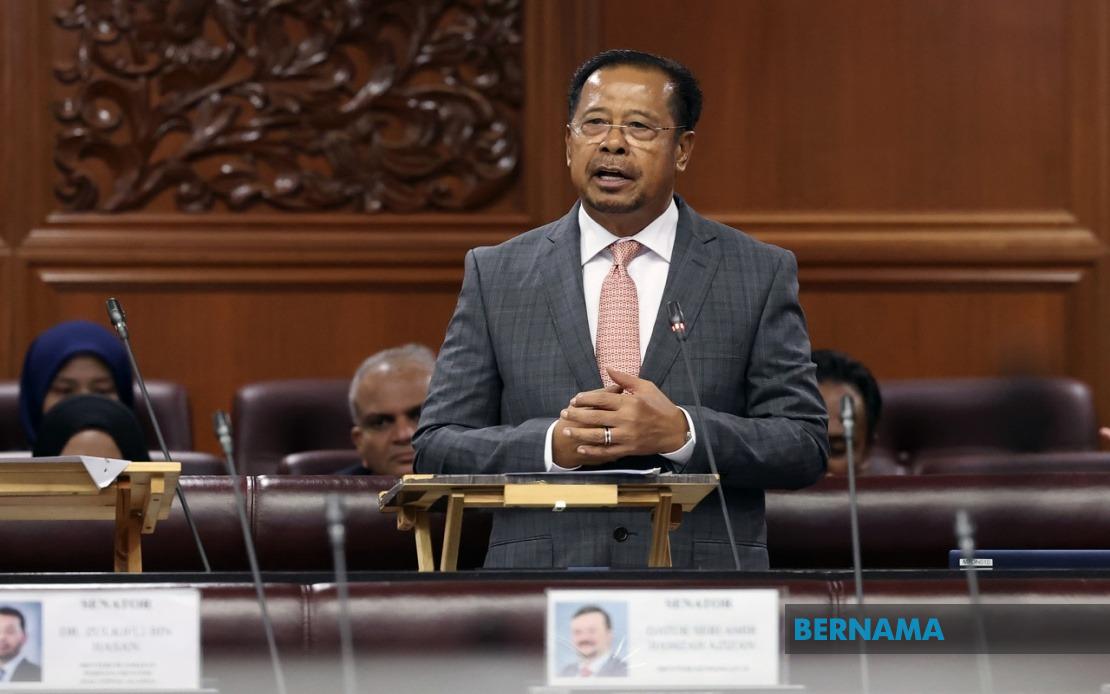
Deputy Minister Datuk Seri Abdul Rahman Mohamad outlined the strategic rationale behind the ambitious undertaking during parliamentary proceedings in the Dewan Negara. He emphasised that the 12-month research phase would generate essential evidence and recommendations to guide policy formulation, ultimately enabling industries across multiple sectors to transition toward recycled water consumption. The framework targets enterprises within food and beverage production, rapidly expanding data centre operations, semiconductor fabrication facilities, and municipal cleaning services—sectors collectively representing significant industrial water demand. The targeting of these specific industries demonstrates that government planners have identified particular high-volume consumers whose water switching potential could deliver measurable conservation benefits across the economy.
Water reclamation technology represents a pragmatic response to Southeast Asia's intensifying water scarcity challenges. As urbanisation accelerates and industrial expansion outpaces natural water availability, nations throughout the region increasingly view treated wastewater as a legitimate supplementary resource. Malaysia's decision to pursue systematic study before implementing policy reflects international best practice, acknowledging that successful transitions require careful technical preparation, regulatory development, and stakeholder coordination. For Malaysian manufacturers competing in global supply chains, regulatory certainty around reclaimed water standards and availability could provide significant competitive advantages, particularly as international buyers increasingly scrutinise corporate water stewardship credentials.
The research programme will encompass multidisciplinary analysis spanning technical specifications, legal frameworks, financial implications, and economic viability assessments. PETRA's examination will necessarily address infrastructure prerequisites, determining what investment in treatment facilities, distribution networks, and monitoring systems would be required to operationalise industrial water recycling at meaningful scale. By integrating economic analysis alongside engineering considerations, the ministry aims to develop policy recommendations that reflect both technological feasibility and financial sustainability. This comprehensive approach should identify opportunities for cost-effective implementation pathways that do not impose prohibitive burdens on participating industries, particularly smaller enterprises lacking substantial capital reserves for infrastructure renovation.
Critical to policy success will be establishing robust quality assurance mechanisms for reclaimed water destined for industrial use. Deputy Minister Mohamad identified reclaimed water quality regulatory frameworks as central to the study's scope, recognising that industries will require absolute confidence in product specifications before committing operational processes to recycled supplies. Water operators, regulators, and manufacturers must collectively establish standards that adequately protect product quality and consumer safety whilst remaining achievable through available treatment technologies. The stakes are particularly high for food and beverage producers, where water quality directly influences product integrity and potential regulatory compliance, and semiconductor manufacturers, where ultra-pure water remains essential for production success.
Government coordination across federal and state administrations will substantially influence implementation prospects. Deputy Minister Mohamad confirmed that PETRA has initiated engagement processes involving state governments, signalling recognition that water governance in Malaysia involves multilayered administrative responsibility. Since water falls partially under state jurisdiction within Malaysia's constitutional framework, securing state government buy-in represents a prerequisite for effective policy rollout. State authorities must align their own water resource planning with federal reclamation initiatives, and potentially contribute to infrastructure development within their jurisdictions. The consultation process currently underway should facilitate this intergovernmental coordination, though historical tensions between federal and state water management approaches suggest achieving consensus may prove challenging.
Participation from Indah Water Konsortium (IWK), the major wastewater operator serving the Klang Valley and other regions, will prove instrumental to policy development. IWK's existing infrastructure, technical expertise, and operational knowledge of treatment systems position the organisation as a crucial partner in determining realistic implementation approaches. The organisation's engagement during the research phase should ensure that policy recommendations account for existing operational realities and identify practical mechanisms for transitioning current sewage treatment outputs toward industrial-grade reclaimed water specifications. Industry players themselves—representing the ultimate policy beneficiaries—must also maintain active involvement throughout the study, providing operational perspectives that academics and government planners might otherwise overlook.
The government's framing of water reclamation as a component of broader national water security strategy carries significant implications for Malaysia's long-term resource planning. By positioning recycled water alongside conventional supply sources, policymakers implicitly acknowledge that demand will eventually outpace supply in certain regions, particularly given projections of continued urbanisation and industrial growth. Developing reclamation capabilities today creates a strategic buffer against future scarcity while allowing time for technological maturation and cost reduction. For water-stressed regions like the Klang Valley, systematic recycling programmes could prove essential to accommodating projected economic expansion without imposing severe restrictions on competing water users.
International precedent demonstrates both the potential and implementation challenges of industrial water reclamation programmes. Singapore's sustained commitment to recycled water—branded as NEWater—has successfully reduced pressure on conventional supplies whilst creating a reliable industrial water source. However, Singapore's extraordinary population density and geographic constraints differ substantially from Malaysian circumstances, and direct policy transfer proves inadvisable. Middle Eastern nations including Saudi Arabia have pioneered reclamation technologies but often operate within vastly different regulatory and infrastructure contexts. The 12-month PETRA study should examine these international examples whilst carefully assessing which approaches translate appropriately to Malaysia's existing institutional structures, climate patterns, and economic contexts.
The initiative reflects evolving attitudes within Malaysian policymaking regarding technology adoption and resource management innovation. Previous decades witnessed relatively low priority accorded to water conservation and efficiency within industrial policy discourse. Contemporary recognition that recycled water represents a legitimate, necessary component of national water strategy signals meaningful shift toward sustainability-oriented governance. This transformation partly reflects emerging international expectations around corporate environmental responsibility, particularly from multinational companies operating Malaysian facilities. As global supply chains increasingly incorporate water footprint considerations into sourcing decisions, Malaysian industrial competitiveness increasingly depends upon demonstrating sophisticated water management capabilities.
Successful policy implementation will require sustained commitment extending well beyond the formal research period. The 12-month investigation establishes foundations, but translating findings into enforceable regulations, securing necessary infrastructure investment, and establishing operational protocols will occupy subsequent years. Industries must receive adequate transition periods to retrofit operations, and regulatory agencies require time to develop monitoring and compliance mechanisms. Government will need to consider financial incentives—whether through tax mechanisms, subsidised infrastructure costs, or regulatory advantages—to encourage voluntary adoption beyond minimum requirements. Without such supporting measures, voluntary industry participation may prove limited, particularly among businesses already operating under tight financial margins.
Looking forward, Malaysia's water reclamation initiative positions the nation within emerging Southeast Asian trends toward circular economy principles and resource sustainability. Thailand, Vietnam, and Indonesia are simultaneously grappling with water scarcity challenges, creating potential opportunities for regional knowledge exchange and technology transfer. Malaysian success in developing functional, cost-effective industrial water recycling could establish templates applicable across neighbouring economies. Conversely, regional cooperation on research and standards development might accelerate policy maturation whilst distributing development costs across multiple jurisdictions. The 12-month PETRA study thus represents not merely a domestic technical exercise, but a preliminary step toward positioning Malaysia as a regional leader in innovative water resource management.

