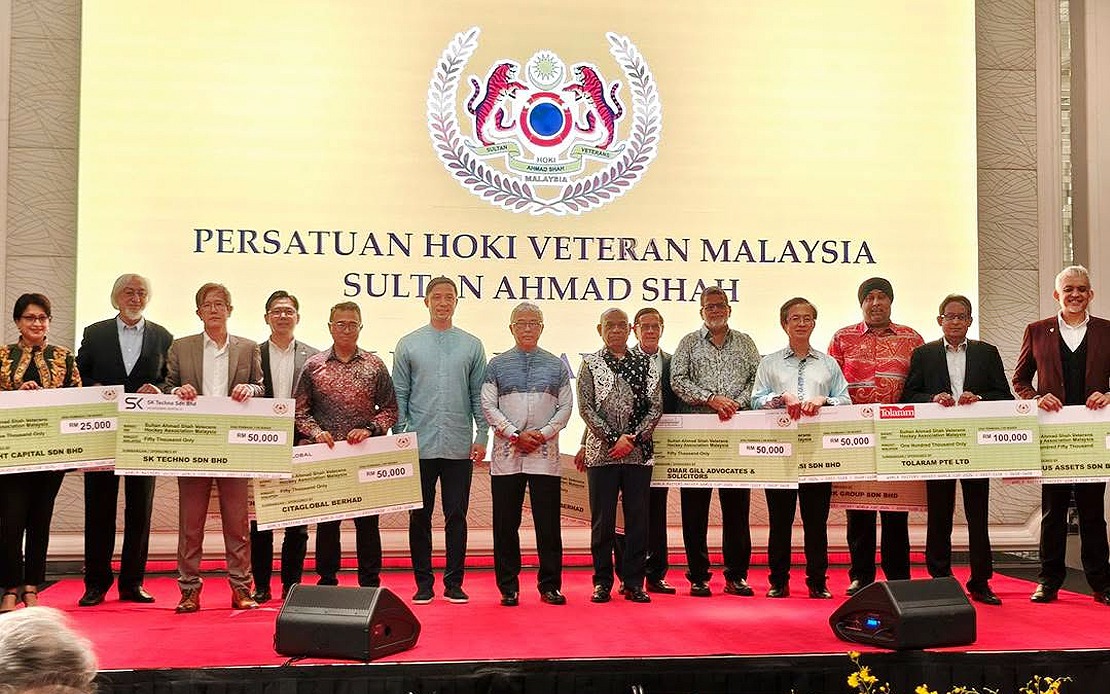
Malaysia's veteran hockey contingent has received a substantial financial injection of RM1.36 million as the national squad gears up for the prestigious 2026 Masters Hockey World Cup, set to unfold across the Netherlands and Belgium from July 22 to August 16. The funding announcement came during a high-profile Royal High Tea Ceremony in Kuala Lumpur, underscoring the significance the Malaysian sporting establishment places on international veteran competition. The financial support, assembled through collective contributions from multiple stakeholders, represents a meaningful commitment to sustaining competitive excellence in the sport beyond the traditional playing years.
Tengku Arif Temenggong Tengku Fahad Mu'adzam Shah, president of the Sultan Ahmad Shah Malaysian Veteran Hockey Association, outlined the strategic deployment of these resources during remarks to the press. The funding framework addresses the multifaceted logistical requirements inherent in mounting a credible international campaign, extending well beyond basic tournament entry fees. Accommodation arrangements, international travel logistics, and comprehensive preparatory activities form the backbone of how these funds will be allocated, creating a solid operational foundation for Malaysian athletes competing across an expansive competitive span.
Beyond the conventional tournament expenses, the association has adopted an inclusive approach that recognises the financial realities many retired elite athletes face. The funding envelope specifically dedicates resources to supporting former national team players who might otherwise encounter financial barriers to participation. This targeted assistance mechanism seeks to resurrect the participation of distinguished ex-national competitors whose contributions to Malaysian hockey warrant recognition and continued representation. By bridging economic obstacles, the association hopes to reassemble a squad featuring the calibre and experience that defines the Malaysian veteran programme.
The 2026 Masters Hockey World Cup represents the eighth edition of this biennial championship since the establishment of World Masters Hockey in 2012. The tournament architecture reflects a significant historical consolidation within veteran sport governance, born from the 2012 merger of the International Masters Hockey Association and the World Grand Masters Association. This fusion created a unified organisational framework that has subsequently established itself as the pre-eminent platform for veteran hockey excellence worldwide, drawing the strongest international teams across diverse age divisions. Malaysia's participation in this elite gathering underscores the nation's enduring presence in competitive international hockey.
The tournament structure accommodates five distinct age categories, each with separate competitive divisions and venues strategically distributed across two countries. The 40-year-old category will conduct its matches at HC Schiedam in Schiedam, Netherlands, establishing the entry point for the younger veteran classifications. The 45-year-old and 50-year-old divisions will operate from HC Rotterdam, also in the Netherlands, during the initial competition phase running from July 22 through August 1. This scheduling concentration permits efficient logistics and allows supporters and media to follow multiple Malaysian age groups within a compressed timeframe.
The championship disperses its oldest age categories across Belgian venues during the latter segment of the tournament window. The 60-year-old category has been positioned at HC Olympia in Brasschaat, Antwerp, Belgium, while the 65-year-old division competes at BHV Push in Breda, Netherlands. These fixtures span August 6 to August 16, creating a staggered competition calendar that extends the Malaysian squad's engagement throughout the three-week championship period. The geographic separation of venues, while demanding additional logistical coordination, reflects the tournament's global scale and the participation density of veteran hockey programmes worldwide.
Sultan Ahmad Shah's patronage of Malaysian veteran hockey carries symbolic weight reflecting the sport's historical significance within the nation's athletic heritage. The Sultan of Pahang, Al-Sultan Abdullah Ri'ayatuddin Al-Mustafa Billah Shah, graced the funding announcement ceremony as the patron of the Sultan Ahmad Shah Malaysian Veteran Hockey Association, demonstrating institutional support at the highest levels. This royal endorsement transcends ceremonial protocol, signifying tacit recognition of veteran athletes' contributions to national sporting prestige and the importance of maintaining competitive representation across all age cohorts within a sport where Malaysia has established considerable international standing.
The allocation of RM1.36 million reflects Malaysian hockey's institutional commitment to sustaining competitive performance among veteran players, an often-overlooked dimension of national sporting development. While junior and elite domestic programmes command substantial resources, the veteran category frequently struggles for adequate funding despite attracting former national players whose experience and international exposure represent invaluable human capital. This funding decision indicates a strategic pivot toward recognising the symbolic and practical value of maintaining competitive representation among Malaysia's hockey alumni across international platforms.
For Malaysian readers, this funding announcement carries broader implications regarding the nation's approach to sports development and the valorisation of athletic contribution beyond the conventional elite career trajectory. Many Southeast Asian nations encounter similar challenges in sustaining competitive programmes for veteran athletes, making Malaysia's proactive approach instructive for regional sporting governance. The initiative demonstrates that strategic investment in veteran competition serves multiple objectives simultaneously: honouring the contributions of retired national athletes, maintaining international competitive visibility, and providing pathways for continued athletic engagement that sustains broader community interest in the sport.
The 2026 championship represents a significant opportunity for Malaysian veteran hockey to demonstrate continued technical sophistication and organisational capability on the international stage. Success in this competition requires not merely financial resources but also comprehensive preparation involving coaching expertise, equipment management, and athlete conditioning tailored to veteran-level competition. The RM1.36 million funding provides the necessary substrate upon which these elements can function effectively, creating conditions conducive to credible Malaysian representation across all five age categories competing in the Netherlands and Belgium.

