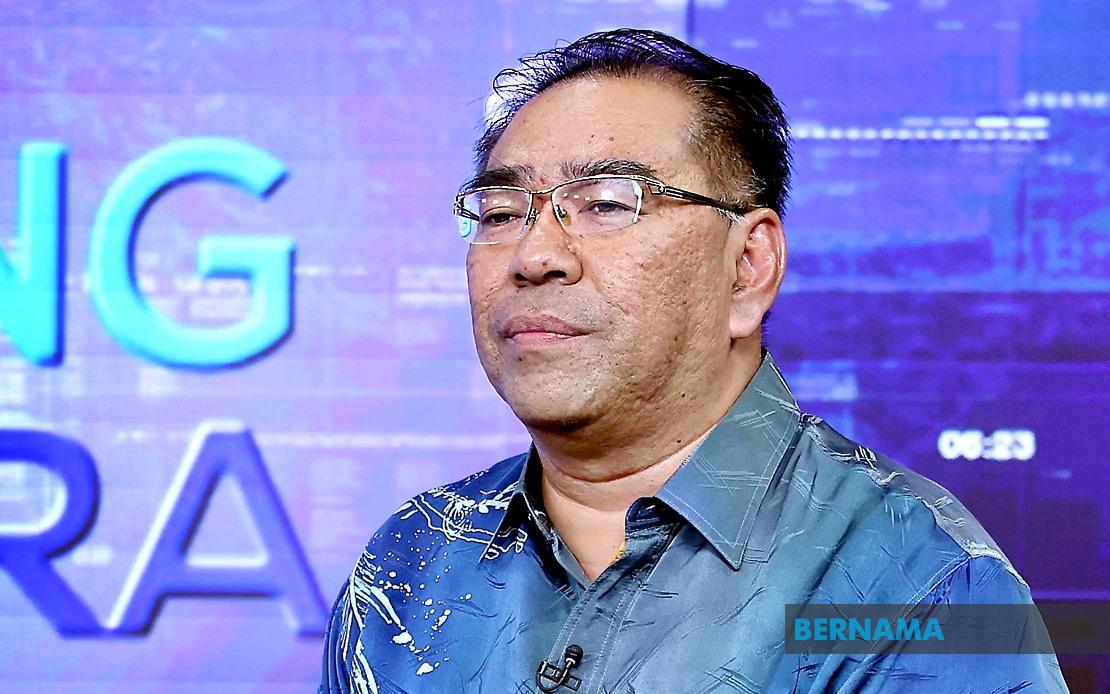
Malaysia's sense of national unity has strengthened considerably, according to the latest findings from the National Unity Index, or IPNas 2025, released at a youth engagement programme in Perlis. The comprehensive study demonstrates that Malaysians now share a more robust bond around shared values and institutions, with measurable gains in confidence across the country's systems and frameworks that have accumulated steadily since the middle of the previous decade.
The unity metric, recorded at 0.701, falls within the moderately high category and represents a meaningful leap from earlier measurements. The National Unity and Integration Department, or JPNIN, highlighted this achievement as confirmation that strategic efforts to strengthen social bonds have yielded tangible results. The threshold itself exceeds the aspirational targets embedded within Malaysia's 12th Malaysia Plan, positioning the nation favourably against benchmarks that policymakers had established to gauge progress toward greater cohesion.
When examined across a longer timeline, the trajectory becomes even more striking. Seven years ago, in 2018, the unity index stood at 0.567, indicating a substantial gap in that era. By 2022, the measurement had climbed to 0.629, already suggesting an upward momentum. The latest 2025 figure continues this progression, climbing a further 0.072 points and reinforcing the impression that Malaysia is moving in a positive direction. JPNIN director-general Zulkifli Hashim characterised this consistent improvement as evidence that Malaysians are increasingly embracing a stronger sense of national spirit and displaying heightened confidence in their country's institutions and systems.
The director-general's remarks, delivered while closing a Perlis-level iteration of the Jelajah Belia Rukun Negara youth programme at Universiti Teknologi MARA Perlis, acknowledged that achieving national unity remains an ongoing responsibility rather than a permanent achievement. He emphasised that each generation carries the obligation to actively nurture, preserve and strengthen the bonds that hold Malaysian society together, ensuring that future generations inherit the peace and stability that the nation has cultivated. This framing situates unity not as a finished product but as a living process requiring constant attention and renewal.
The digital realm presents both opportunity and risk in this endeavour. Social media platforms, which have become central to how Malaysians communicate and share information, can serve as powerful instruments for promoting unity and strengthening collective identity. However, these same channels remain vulnerable to exploitation through the dissemination of false information, hateful rhetoric, defamatory content and inflammatory messaging designed to provoke division. The duality poses particular challenges for a diverse, multiethnic and multireligious society where misinformation can rapidly amplify existing tensions or create new fractures along identity lines.
Recognising this vulnerability, Zulkifli directed specific guidance toward university students, who occupy an influential position as digital natives and opinion shapers within their peer networks and communities. He called for young Malaysians to develop a more sophisticated, discerning and conscientious approach to evaluating information encountered online. The call reflects understanding that technical access to information differs fundamentally from critical literacy—the ability to assess credibility, cross-reference sources and identify manipulation. University graduates and current students, as future leaders and professionals, carry outsized responsibility for modelling responsible digital citizenship.
The challenge extends beyond passive consumption to active contribution. Zulkifli explicitly encouraged Malaysia's youth to become agents of unity within the digital sphere, using their online platforms and influence to propagate messages that emphasise social cohesion, promote mutual respect and strengthen the collective sense of belonging. This reframing positions young people not as passive victims of misinformation but as potential architects of a healthier information ecosystem. By consciously choosing to amplify narratives of togetherness rather than division, this generation can shape the digital environment in ways that reinforce rather than undermine national unity.
The timing of this message carries particular weight given Malaysia's recent experience with political volatility and social tension. The improvement in the unity index suggests that despite periodic contentious moments in the political sphere, underlying national sentiment has moved toward greater integration. This may reflect the stabilising effect of the current political configuration, the passage of time since earlier periods of acute division, or the cumulative impact of national unity initiatives. Understanding the drivers behind this improvement remains important for policymakers seeking to sustain and accelerate the positive trend.
For Southeast Asian observers, Malaysia's experience offers both encouraging evidence and cautionary lessons. The region has witnessed numerous instances where social fragmentation, particularly when amplified through digital channels, has destabilised societies and complicated governance. Malaysia's demonstrated ability to improve its unity metrics across multiple measurement cycles suggests that deliberate, sustained effort toward social cohesion can yield measurable results. The emphasis on youth engagement and digital literacy also aligns with best practices emerging across the region for addressing information-related challenges while strengthening institutional trust.
The implications for policy extend to education, technology governance, and institutional design. Universities emerge as particularly crucial sites where young Malaysians can develop both the technical skills and the ethical frameworks necessary to navigate the digital age responsibly. Programmes like the Jelajah Belia Rukun Negara represent investments in what might be termed civic infrastructure—the non-governmental relationships and shared understandings that enable diverse populations to coexist and cooperate. Sustaining these initiatives and expanding their reach across the country will likely prove essential to maintaining and deepening the unity gains already achieved.
Looking forward, the trajectory indicated by the IPNas 2025 findings suggests momentum toward greater national integration. However, the moderate score of 0.701, while positive, also indicates room for further improvement. The gap between the current measurement and a theoretical maximum suggests that substantial portions of the Malaysian population may not yet feel fully integrated or confident in national systems. Expanding the unity index to encompass different demographic groups and investigating which segments show the strongest and weakest cohesion could provide valuable guidance for targeted interventions.
The consistency of the upward trend from 2018 through 2025 indicates that the strategies Malaysia has employed are having discernible effects. Maintaining this momentum will require continued commitment to the initiatives that contributed to recent gains, while also remaining attentive to emerging challenges and shifting social dynamics. The role assigned to youth and digital literacy in this framework reflects recognition that future national cohesion will be determined largely by how young Malaysians navigate the complex, interconnected information environment they inherit.

