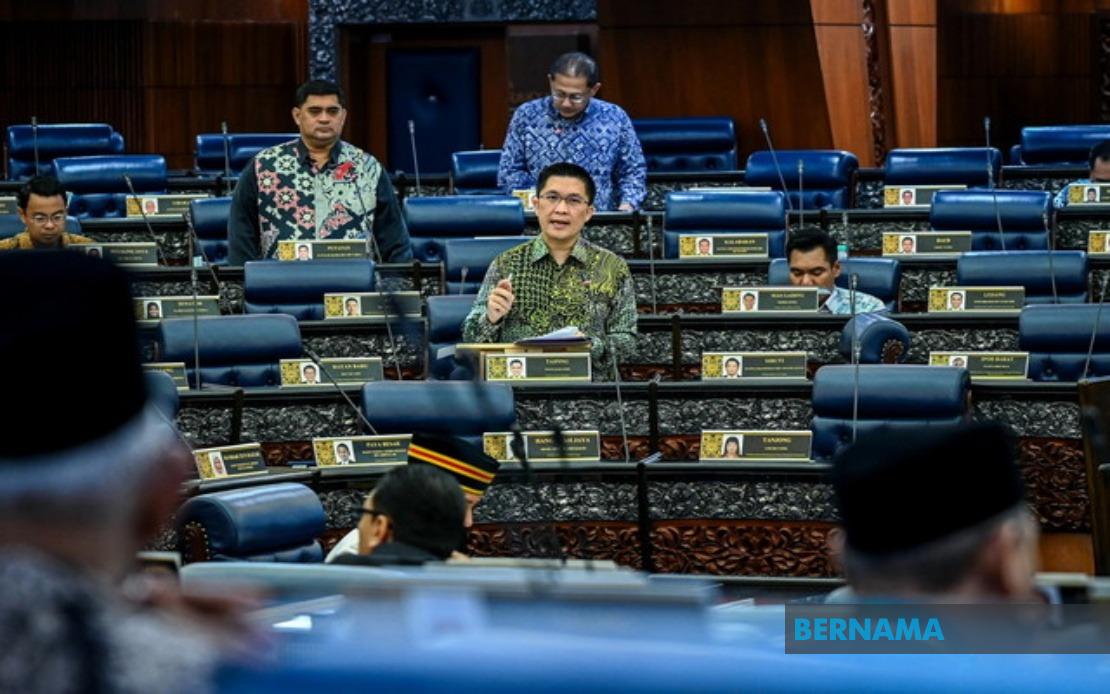
Malaysia's preschool education sector has reached near-complete staffing levels, with the Education Ministry confirming that 99.8 per cent of designated teacher positions have been filled as of July 1, according to Deputy Minister Wong Kah Woh during parliamentary proceedings. The figure represents 10,478 preschool educators now working across the country, reflecting the government's sustained effort to expand early childhood education capacity amid growing parental demand for quality foundational learning programmes.
The Ministry's recruitment trajectory has accelerated significantly in recent years. Between 2023 and 2025, the Education Ministry deployed 1,202 new preschool teachers into the system, demonstrating a commitment to closing staffing gaps that previously hindered expansion efforts. Deputy Minister Wong outlined plans for continued recruitment conducted in phases and within systematic parameters, ensuring that teacher onboarding aligns with genuine enrolment increases across different regions. This measured approach reflects recognition that precipitous hiring without corresponding demand could create inefficiencies, whereas strategic placement addresses actual community needs.
Beyond mere headcount, the Ministry has invested substantially in elevating teaching standards through comprehensive professional development initiatives. Service training, pre-service, and in-service programmes now form the backbone of quality assurance mechanisms, with curricula designed to ensure educators possess qualifications and competencies meeting established early childhood education benchmarks. These programmes directly enhance learning environments within operational preschool classrooms nationwide, translating ministerial policy into tangible educational improvements experienced daily by young learners and their parents.
Current operational capacity has expanded considerably. As of May 31, the Ministry operated 10,491 preschool classes serving 217,026 pupils across the nation. This substantial enrolment base underscores how early childhood education has transitioned from peripheral concern to mainstream priority within Malaysia's education policy framework. The scale of participation reflects shifting parental attitudes, economic necessities requiring dual-income household arrangements, and growing recognition of preschool's developmental benefits for Malaysian children.
Geographic expansion remains carefully calibrated rather than haphazard. The Ministry's methodology for determining new class locations incorporates multiple variables including demographic profiles of eligible-age children within specific localities and locally-assessed demand signals. This evidence-based site selection prevents resource wastage on underutilised facilities whilst ensuring communities with pressing needs receive appropriate attention. Such precision proves particularly valuable in Malaysia's diverse landscape spanning urban concentrations, suburban sprawl, and rural territories with varying demographic compositions.
Future expansion targets demonstrate committed ambition tempered by practical implementation awareness. Wong indicated that the Ministry plans opening 300 additional preschool classes during the following year, representing substantial but absorable growth. Aggregating these annual additions across a five-year projection window yields a target of 1,040 new classes, fundamentally reshaping access across Malaysian communities. This trajectory would significantly advance the Ministry's broader objective of ensuring every eligible child gains opportunity to participate in government-provided preschool education regardless of socioeconomic background or geographic location.
For older children who previously missed preschool opportunities, the Ministry pursues complementary strategies recognizing that six-year-olds without prior formal early childhood experience deserve bridging support. Continuing expansion of preschool classes addresses only partial dimensions of this challenge, prompting institutional collaboration spanning multiple agencies. The Community Development Department (KEMAS), various State Education Departments, and other relevant government entities participate in coordinated efforts to improve preschool access through multiple delivery mechanisms accommodating diverse community contexts and resource environments.
These policy developments carry particular significance for Malaysian households, particularly lower-income families for whom government preschool provision represents the primary feasible option for early childhood education. Affordable or free public preschool availability reduces barriers to participation, narrowing achievement gaps that frequently emerge before formal primary schooling commences. When disadvantaged children access quality foundational learning during critical developmental windows, long-term educational trajectories and eventual economic outcomes improve measurably, benefiting both individuals and Malaysia's broader human capital development.
Regional implications warrant consideration as well. Malaysia's deliberate expansion of early childhood education capacity mirrors trends across Southeast Asia where governments increasingly recognise preschool's foundational importance. As regional economies compete for talent in knowledge-intensive sectors, foundational skill development during early childhood shapes workforce readiness decades later. Malaysia's commitment to widening preschool access positions the nation competitively whilst advancing equity principles central to inclusive national development.

