Malaysia's electricity generation and distribution infrastructure is entering a period of robust expansion, with investment bank analysts pointing to a sustained capital expenditure cycle as the principal engine of growth. Hong Leong Investment Bank Bhd (HLIB) has maintained an optimistic stance on the sector, arguing that structural shifts in demand and regulatory priorities are positioning grid-connected utilities to capture significant value over the coming years.
The multi-year capex cycle underpinning this optimism reflects the Malaysian government's intensifying focus on energy security and reliability. As the nation pursues its energy transition objectives and manages rising electricity consumption from industrial expansion and population growth, power infrastructure investments have become increasingly central to national planning priorities. These commitments translate into sustained funding flows across generation, transmission, and distribution assets—creating a favourable environment for companies operating at every level of the electricity supply chain.
For listed utilities and power operators with direct exposure to the grid, this outlook carries particular significance. Companies positioned to capture contracts or revenues tied to this capex wave stand to benefit from multi-year visibility on earnings and cash flows. The structural nature of this shift means that demand for power infrastructure investment is unlikely to diminish rapidly, providing a longer runway for business expansion compared to cyclical sectors vulnerable to economic fluctuations.
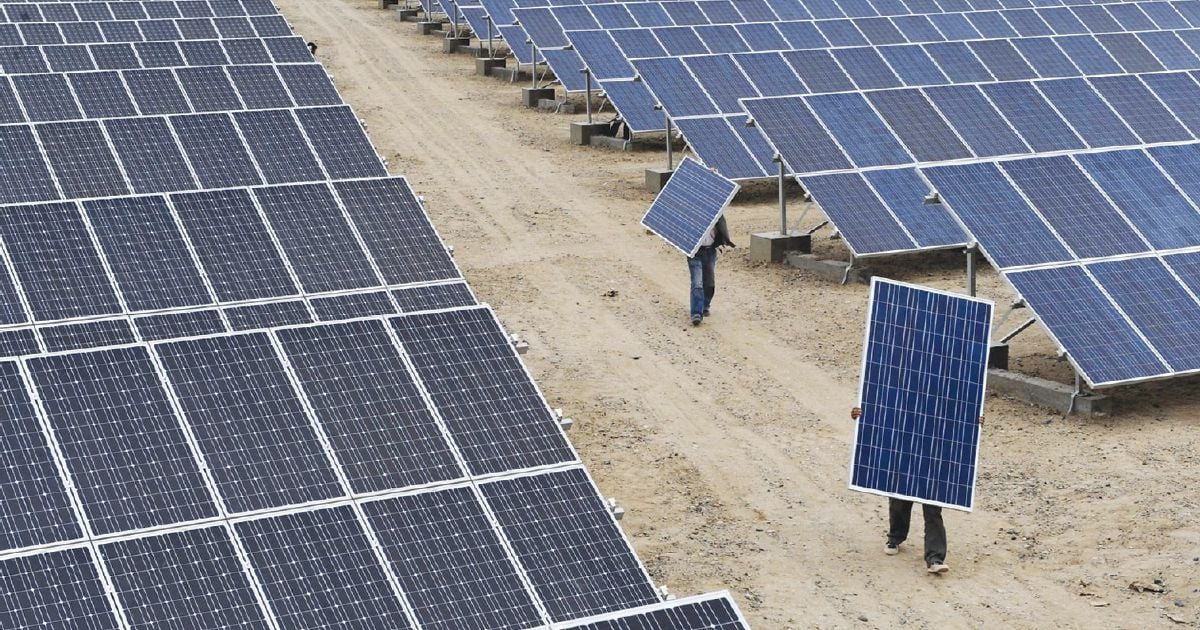
Malaysia's energy landscape is undergoing gradual but meaningful transformation. The country continues to balance coal and liquefied natural gas in its generation mix while gradually integrating renewable energy sources. This transition requires substantial investment in transmission and distribution infrastructure to accommodate new generation sources, particularly as solar and wind installations expand. Grid modernization to handle distributed generation also necessitates significant capital deployment, creating multiple layers of opportunity for infrastructure specialists.
The regulatory environment has evolved to encourage long-term infrastructure investment. Authorities have implemented frameworks that provide stable return profiles for utilities investing in generation capacity, grid upgrades, and distribution network improvements. These mechanisms reduce investment uncertainty and enable power companies to plan expansion strategies with greater confidence in revenue stability—a critical factor attracting capital to the sector.
Demand fundamentals continue to support infrastructure expansion. Malaysia's manufacturing sector remains globally competitive, particularly in semiconductor production, petrochemicals, and palm oil processing—all electricity-intensive industries requiring reliable and growing power supply. Data centre development, driven by cloud computing adoption and artificial intelligence infrastructure buildout, represents an emerging demand driver that could significantly accelerate power consumption in coming years. Combined with residential and commercial growth, these factors suggest electricity demand will persistently outpace inflation, justifying sustained capex programmes.
International comparisons suggest Malaysian utilities remain undervalued relative to peers in developed markets, potentially creating revaluation opportunities as the capex cycle becomes more evident to investors. As these companies demonstrate consistent cash generation from infrastructure assets, equity markets may assign premium valuations reflecting the stable, inflation-hedged nature of their earnings streams. This dynamic could benefit early investors recognizing the sector's structural attractions.
The timing of this capex cycle also aligns with global trends favouring essential infrastructure. International investors increasingly seek exposure to essential services with predictable cash flows, driving capital into regulated utilities and grid operators worldwide. Malaysia's power sector stands to attract renewed investor attention as these trends intensify, potentially supporting equity valuations and reducing cost of capital for expansion-focused companies.
Regional context matters as well. Across Southeast Asia, power infrastructure represents a critical constraint on development, with several nations struggling to meet surging electricity demand. Malaysia's relatively mature grid and strong regulatory framework position it as a regional leader in power sector efficiency, potentially creating opportunities for Malaysian companies to export expertise and capital to neighbouring markets. This could offer additional growth avenues beyond domestic expansion.
The outlook does carry risks worth acknowledging. Commodity price volatility affecting fuel costs, policy shifts around energy sources, or economic slowdowns could moderate demand growth or capex intensity. However, HLIB's broadly positive assessment reflects confidence that structural factors—regulatory, demographic, industrial, and technological—will sustain the sector's expansion trajectory over multiple years. For investors seeking exposure to Malaysia's development story, the power infrastructure space offers a relatively stable way to participate in the nation's ongoing economic expansion while benefiting from the defensive characteristics of essential infrastructure assets.

