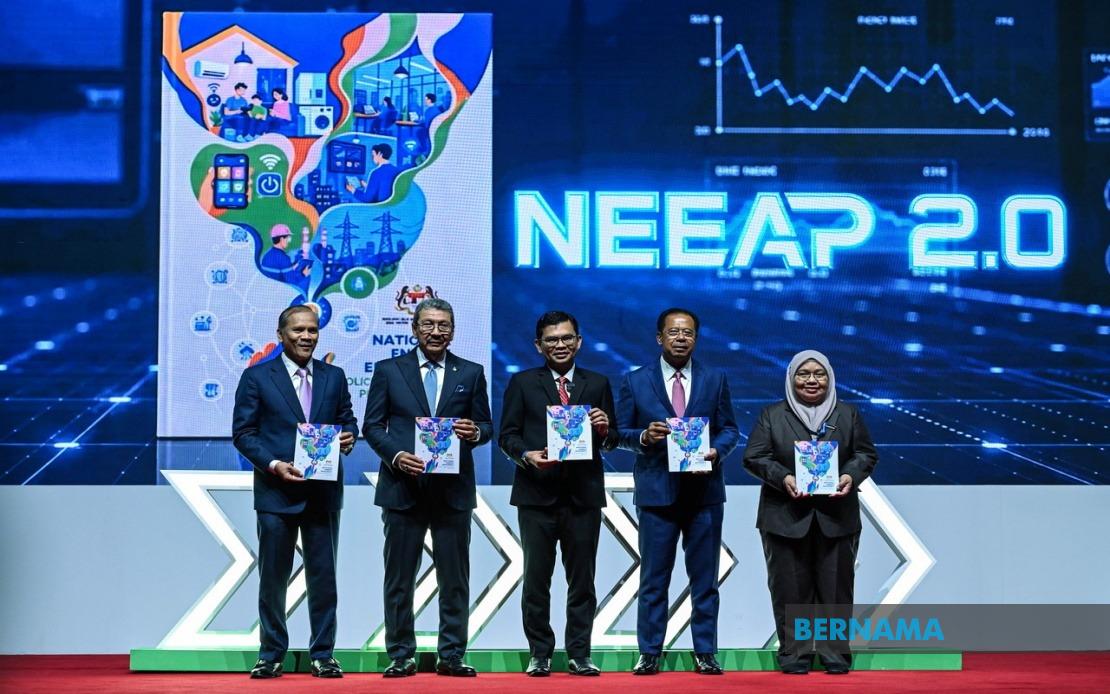
Malaysia has unveiled an ambitious decade-long energy efficiency blueprint expected to unlock substantial economic and environmental benefits for the nation. The National Energy Efficiency Policy and Action Plan 2026-2035 (NEEAP 2.0), launched by the Ministry of Energy Transition and Water Transformation (PETRA), targets RM85 billion in cumulative net energy savings alongside attracting RM36 billion in private sector investment over the next ten years. The initiative represents a critical pillar in Malaysia's transition towards cleaner energy systems while simultaneously bolstering job creation across multiple sectors.
The employment dimension of NEEAP 2.0 deserves particular attention for Malaysian policymakers and workers seeking opportunities in the expanding green economy. The plan is projected to generate approximately 29,000 new job positions, a substantial contribution to Malaysia's labour market that extends well beyond traditional energy infrastructure roles. These positions are anticipated to span the industrial, commercial and residential sectors, creating career pathways in energy auditing, retrofitting, renewable technology installation, and efficiency management—skills increasingly in demand across Southeast Asia as nations accelerate decarbonisation efforts.
From an environmental standpoint, the policy promises meaningful progress toward Malaysia's net-zero aspirations. Implementation of NEEAP 2.0 is estimated to eliminate carbon emissions equivalent to 26 million tonnes of carbon dioxide by 2035, a substantial reduction that contributes directly to Malaysia's commitment under the Paris Agreement and regional climate pledges. This emissions trajectory reflects the cumulative impact of efficiency improvements across every facet of energy consumption, from manufacturing facilities to office buildings to household appliances.
The underlying technical targets of NEEAP 2.0 are equally compelling. The policy aims to improve electricity and thermal energy efficiency by 11.6 per cent relative to a business-as-usual scenario, a goal anchored in concrete energy conservation measures. The projected cumulative energy savings of 815,000 terajoules represents a volume staggering in scale—sufficient to meet the entire electricity requirements of Peninsular Malaysia for nearly two years. This magnitude of conservation underscores the transformative potential of systematic efficiency initiatives when implemented at national scale.
Private sector engagement constitutes a cornerstone of NEEAP 2.0's implementation strategy, with the projected RM36 billion in investment commitments signalling robust commercial confidence in the plan's viability and returns. Energy efficiency projects typically deliver attractive financial returns through operational cost reduction, making them inherently appealing to corporate investors and industrial operators. The influx of private capital simultaneously reduces reliance on government budgets whilst leveraging market mechanisms to accelerate transition across the economy.
The policy's sectoral approach reflects strategic prioritisation of high-impact opportunities. By concentrating resources and regulatory attention on industrial, commercial and domestic segments, NEEAP 2.0 targets the principal consumption categories where efficiency gains deliver maximum economic and environmental benefit. Malaysian manufacturing enterprises, increasingly conscious of energy costs and carbon liability, stand to benefit substantially from technical support and incentive structures embedded within the policy framework.
NEEAP 2.0 builds upon achievements from Malaysia's previous energy efficiency action plan, demonstrating policy continuity and institutional learning. This iterative approach allows refinement based on practical implementation experience and evolving market conditions. The progression from NEEAP 1.0 to NEEAP 2.0 reflects Malaysia's maturing commitment to energy transition, moving beyond initial pilot programmes towards comprehensive, economy-wide transformation.
The initiative aligns seamlessly with Malaysia MADANI's foundational pillars, particularly the aspiration to promote sustainable resource management and citizen well-being. Energy efficiency directly enhances household prosperity by reducing utility bills whilst simultaneously advancing low-carbon development objectives. This convergence of economic and environmental benefits positions energy efficiency as a win-win policy domain where stakeholder interests align across government, business and civil society.
Regional implications merit consideration, particularly for Southeast Asian peers monitoring Malaysia's energy transition trajectory. Successful implementation of NEEAP 2.0 could establish a replicable model for regional economies confronting similar challenges of rising energy demand, carbon reduction commitments and development aspirations. Malaysia's demonstrated capacity to mobilise private investment whilst maintaining policy coherence offers valuable lessons for fellow ASEAN members designing their own efficiency programmes.
Implementation challenges, whilst not detailed in policy announcements, typically centre on workforce development, technical capacity building and ensuring equitable distribution of benefits across geographic regions and income groups. The creation of 29,000 positions requires robust vocational training pipelines and skills certification systems to match labour supply with emerging market demand. Policymakers must also ensure that efficiency improvements translate into tangible cost savings for ordinary Malaysian households, particularly among lower-income groups most vulnerable to energy poverty.
Monitoring and verification mechanisms will determine whether NEEAP 2.0 achieves its ambitious targets. Transparent reporting against key performance indicators—energy savings, employment creation, investment inflows and emissions reductions—enables course correction and maintains stakeholder accountability. Regular progress assessments will also provide feedback on which sectors and technologies deliver greatest returns, informing future policy refinements.
The transition timeline extending through 2035 provides sufficient duration for systemic change whilst maintaining urgency around climate imperatives. This medium-term horizon allows businesses and households to plan investments rationally, avoid stranded assets and systematically upgrade infrastructure. For Malaysia, successfully executing NEEAP 2.0 represents a critical demonstration that achieving carbon neutrality need not compromise economic growth or employment creation—positioning the nation as a credible leader in Southeast Asia's transition toward sustainable prosperity.

