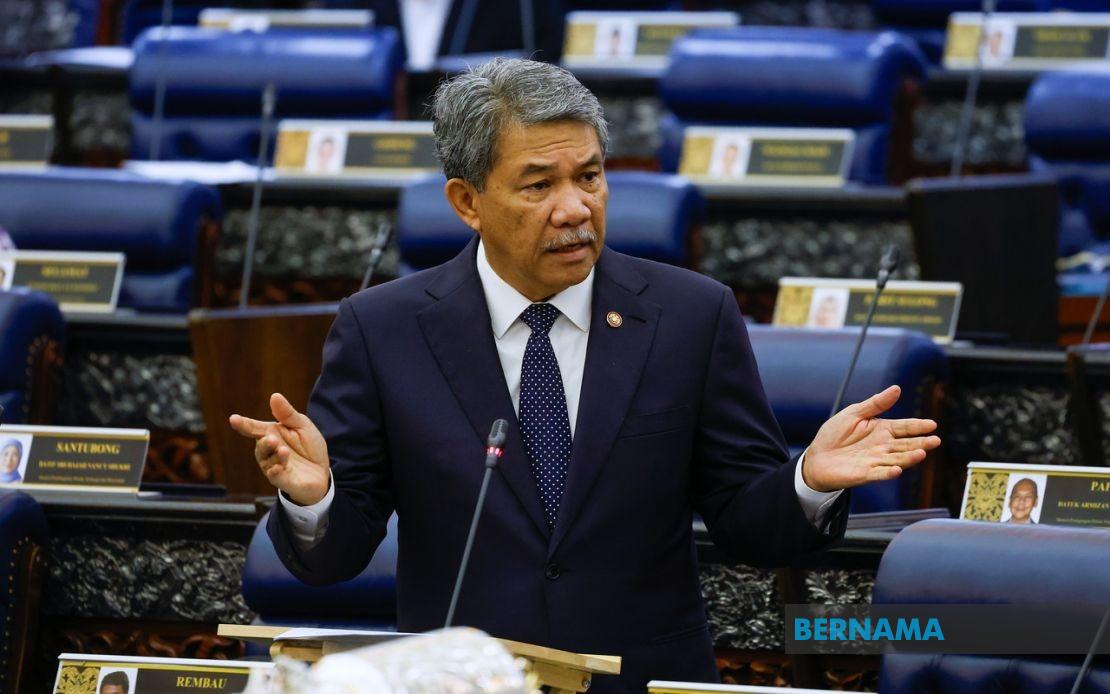
Malaysia's Foreign Minister Datuk Seri Mohamad Hasan has moved to dispel any suggestion that his country's engagement with Myanmar represents tacit acceptance of the junta regime, stressing instead that such dialogue remains integral to ASEAN's broader strategy for managing the deepening crisis in the troubled neighbour. Speaking in Parliament on June 25, Mohamad underscored Malaysia's unwavering refusal to formally recognise the Myanmar government that emerged following the military takeover, while acknowledging the necessity of maintaining open communication channels with Naypyidaw.
The clarification comes amid sensitivity within ASEAN and the international community regarding the appropriate balance between isolating Myanmar and keeping diplomatic avenues alive. Mohamad explained that the May visit by Malaysian officials, including his own meeting with Myanmar's Foreign Minister Tin Maung Swe, stemmed directly from a directive issued at the 48th ASEAN Summit, which specifically tasked regional foreign ministers with continuing informal engagement with Myanmar. This distinction—between informal engagement and formal recognition—has become crucial to how ASEAN members justify their ongoing interactions with the junta without appearing to endorse its seizure of power.
Significantly, Mohamad disclosed that the meeting with Tin Maung Swe took place at a hotel rather than at Myanmar's Foreign Ministry, a detail that appears designed to emphasise the unofficial and exploratory nature of the encounter. During this encounter, the Malaysian Foreign Minister conveyed the expectations that both Malaysia and the broader ASEAN community hold regarding necessary changes within Myanmar, effectively serving as a communication bridge between the regional bloc and the isolated military administration. This approach reflects a delicate diplomatic exercise, attempting to exert influence without legitimising the regime through ceremonial protocol.
A central element of Malaysia's messaging focused on the reciprocal relationship between rights and responsibilities within the ASEAN framework. Mohamad pointedly reminded Myanmar's delegation that while the country retains its standing as an ASEAN member with corresponding rights, it simultaneously bears obligations to uphold regional principles and norms. This framing is particularly significant given Myanmar's failure to implement the Five-Point Consensus, which was adopted precisely to address the humanitarian and political catastrophe triggered by the military coup. By emphasising these obligations, Malaysia positions itself as holding Myanmar accountable even while maintaining dialogue.
Underlying Malaysia's engagement strategy is a strategic concern about the consequences of complete isolation. Mohamad articulated the view that allowing Myanmar to drift entirely outside ASEAN's diplomatic sphere could create a geopolitical vacuum that might be exploited by external powers with interests divergent from the region's stability and cohesion. This reasoning reflects broader ASEAN anxiety that losing influence over Myanmar could enable other major powers to expand their footprint in a strategically vital Southeast Asian nation. By remaining engaged, Malaysia and ASEAN aim to preserve their relevance and capacity to shape Myanmar's trajectory during this critical period.
The humanitarian dimension remains central to Malaysia's stated position. Despite the apparent futility given the junta's intransigence, Mohamad reiterated that Malaysia continues to press all parties involved in Myanmar's conflict to abandon violence, establish functioning ceasefires, and permit the unrestricted flow of humanitarian assistance to civilian populations. These demands, ostensibly aligned with the Five-Point Consensus framework, reflect an attempt to keep pressure on the regime while suggesting that dialogue channels remain available for those willing to comply with regional expectations.
Looking ahead, Malaysia signalled its intention to escalate engagement efforts, with another round of discussions involving Myanmar stakeholders anticipated for early or mid-July. These continued contacts indicate that Malaysia views the Myanmar crisis not as a problem for abandonment but as one requiring persistent, albeit calibrated, diplomatic attention. The frequency and scheduling of these meetings suggest a methodical approach to exploring potential openings for progress, even as the broader security situation within Myanmar deteriorates.
For Malaysian and Southeast Asian observers, this diplomatic stance reflects a calculated choice between competing imperatives. Complete isolation risks pushing Myanmar further toward reliance on non-regional actors, while engagement without conditions risks appearing complicit in the junta's consolidation of power. Malaysia's strategy attempts to thread this needle by maintaining dialogue while refraining from formal recognition, regularly reiterating commitment to the Five-Point Consensus, and reminding Myanmar of its regional obligations. Whether this approach can yield meaningful progress remains uncertain, particularly given the junta's demonstrated resistance to external pressure and its apparent confidence in its ability to survive prolonged regional and international isolation.

