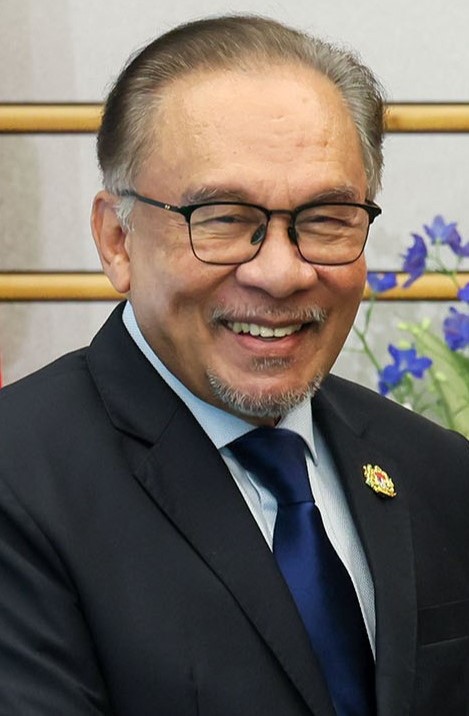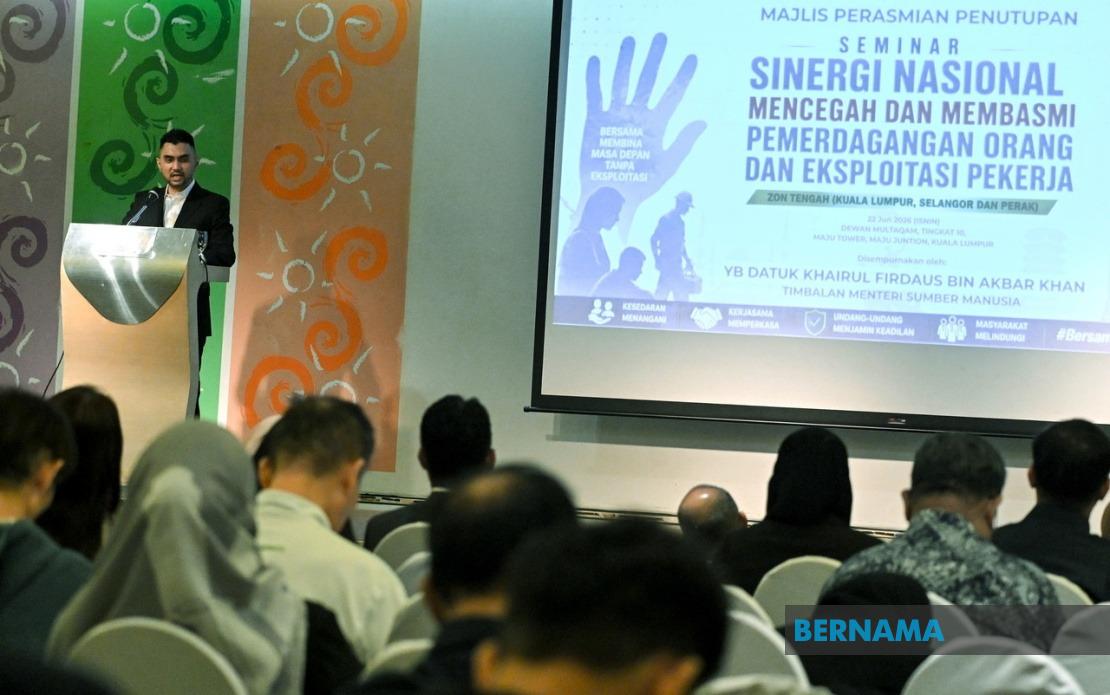
The number of people rescued from human trafficking and labour exploitation across Malaysia has fallen dramatically since 2023, signalling potential progress in the government's enforcement and prevention strategies. Deputy Human Resources Minister Datuk Khairul Firdaus Akbar Khan revealed the encouraging statistics while presiding over the closing ceremony of a national seminar focused on combating trafficking and forced labour in the Central Zone, underscoring official commitment to tackling what remains a persistent regional challenge affecting vulnerable populations across Southeast Asia.
According to figures released by the Peninsular Malaysia Manpower Department, the trajectory of rescues has been largely downward over recent years. In 2023, authorities rescued 70 victims, a number that contracted sharply to just 10 cases in 2024. The current year shows mixed indicators: 17 individuals were rescued through the first months of 2025, though the pace has slowed considerably to only four cases as of May. The declining numbers provide grounds for cautious optimism among policymakers and anti-trafficking advocates, though they also raise important questions about reporting mechanisms and the visibility of underground exploitation networks that may operate beyond official detection.
Datuk Khairul Firdaus acknowledged the complexity of interpreting these statistics, cautioning against premature celebration despite the downward trend. His remarks reflected sophisticated awareness that official rescue numbers represent only a portion of actual trafficking situations occurring within Malaysian borders and throughout the region. The existence of unreported cases—whether due to victims' fear of authorities, language barriers, immigration status complications, or limited access to assistance networks—means the real scale of human trafficking likely exceeds documented figures by a substantial margin. This hidden dimension remains a critical challenge for policymakers seeking to formulate effective interventions.
The government's enforcement operations have intensified across the nation, with 386 labour-related enforcement actions conducted nationwide between January and May this year. These operations represent concentrated efforts to identify exploitative working conditions, illegal employment arrangements, and trafficking networks operating in various economic sectors. From these enforcement activities, authorities have opened 311 investigation papers, generating legal pathways to prosecute perpetrators and protect victims. The volume of these operations demonstrates active government mobilisation of resources, though the relatively modest number of confirmed trafficking rescues raises questions about the effectiveness of detection mechanisms and the relationship between enforcement intensity and actual victim identification.
Malaysia's commitment to addressing forced labour aligns with international obligations undertaken through protocols ratified under the International Labour Organisation framework. These commitments reflect broader regional and global recognition that human trafficking constitutes a fundamental violation of human rights and dignity, requiring coordinated action across borders and economic sectors. The ILO protocols establish standards for identifying forced labour, protecting vulnerable workers, and prosecuting traffickers, providing Malaysia with internationally benchmarked frameworks for policy development and implementation. Adherence to these standards positions Malaysia within a community of nations actively confronting trafficking, though practical enforcement remains challenging given migration patterns and the transnational nature of exploitation networks.
The National Synergy Seminar series represents a deliberate public education and coordination strategy aimed at building awareness and capacity among stakeholders involved in anti-trafficking efforts. The Central Zone programme, which concluded with Datuk Khairul Firdaus's remarks, followed earlier seminars conducted in the North Zone at Sungai Petani in Kedah on May 18 and the South Zone in Kluang, Johor on June 8. This systematic geographic approach ensures that diverse regions of Malaysia receive focused attention and resources dedicated to trafficking prevention. The seminars serve dual purposes: disseminating critical information about trafficking patterns and victim identification to frontline workers, government officials, and community organisations, while simultaneously creating forums for collaborative problem-solving and the exchange of regional intelligence.
Nearly 1,000 participants gathered across the seminar series to engage with anti-trafficking initiatives, reflecting substantial mobilisation of stakeholders throughout Malaysian society. These participants—drawn from law enforcement agencies, labour departments, civil society organisations, business associations, and community groups—represent the diverse institutional ecosystem required to effectively combat trafficking. The conversations facilitated through these seminars generate practical insights into trafficking operations, victim assistance gaps, and enforcement challenges that might not emerge from routine bureaucratic channels. By creating dedicated spaces for stakeholder engagement, the government acknowledges that trafficking prevention requires coordination beyond traditional police or immigration functions.
The sectors most vulnerable to labour trafficking in Malaysia and the broader region include domestic work, construction, agriculture, and manufacturing—industries characterised by high concentrations of migrant workers, informal employment arrangements, and limited regulatory oversight. Traffickers exploit systemic vulnerabilities including debt bondage mechanisms, document confiscation, wage theft, and isolation of workers from support networks. The geographic location of Malaysia as a major labour-importing nation within Southeast Asia places particular responsibility on authorities to protect foreign nationals from exploitation, while also recognising that Malaysian citizens face trafficking risks domestically and abroad. The complexity of these dynamics requires sophisticated understanding of migration patterns, economic incentives driving trafficking, and the specific circumstances rendering particular groups vulnerable.
The declining rescue numbers, while potentially indicating improved prevention effectiveness, also warrant scrutiny regarding the adequacy of victim identification and assistance mechanisms. Victims often hesitate to report exploitation due to fear of deportation, criminal liability for immigration violations, language barriers, or distrust of authorities. These barriers suggest that falling rescue statistics might partly reflect reduced victim visibility rather than reduced trafficking prevalence. Enhanced efforts to build trust with migrant communities, provide language-accessible reporting channels, and offer protection rather than punishment to victims would likely improve identification accuracy. The government's continued emphasis on enforcement operations, while important, should be balanced with victim-centred approaches that prioritise assistance, rehabilitation, and dignified reintegration.
Regional cooperation represents another critical dimension of Malaysia's anti-trafficking strategy, given that exploitation networks frequently span multiple Southeast Asian countries. Strengthening information-sharing mechanisms with neighbouring nations, harmonising legal standards, and coordinating enforcement operations across borders enhances capacity to disrupt trafficking supply chains. The ASEAN region faces particular challenges due to economic disparities, labour demand variations across countries, and porous border controls that facilitate movement of both legitimate and exploited migrants. Malaysian initiatives addressing trafficking must therefore extend beyond bilateral improvements to engage regional institutions and frameworks that can coordinate responses across Southeast Asia more comprehensively.