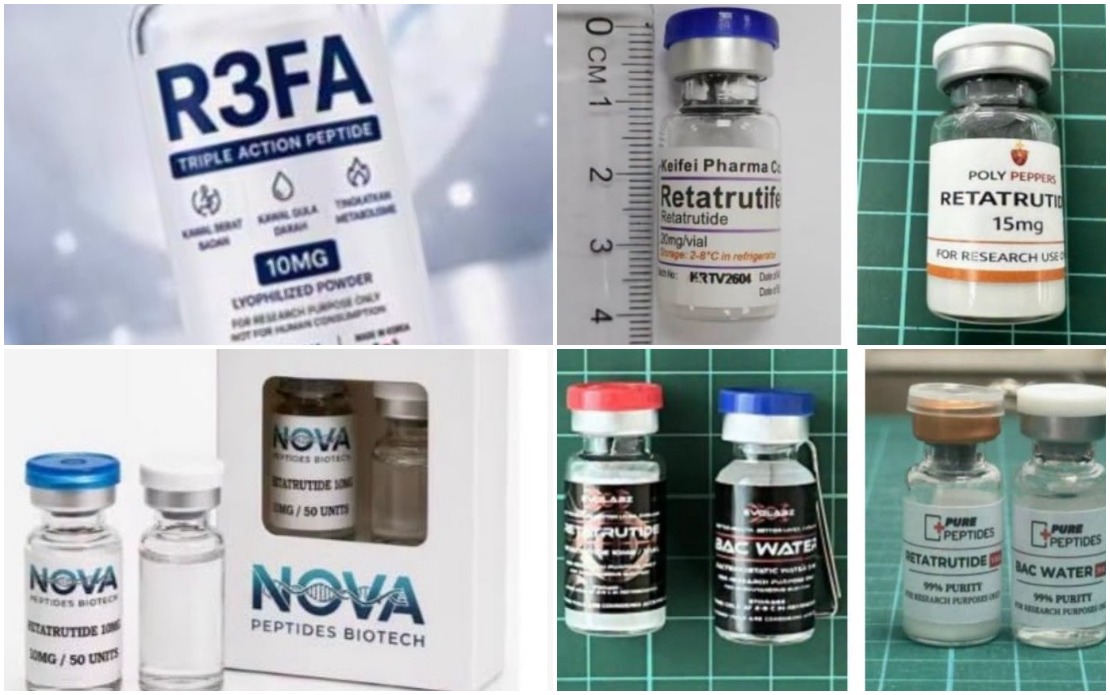
The Ministry of Health has issued an urgent alert cautioning Malaysians against purchasing or using injectable 'weight-loss pens' marketed as containing Retatrutide, emphasising that no such products have received official registration or approval for use within the country. The warning, issued on August 28, represents an escalating concern about unverified pharmaceutical products circulating through online channels and potentially reaching vulnerable consumers seeking rapid weight management solutions.
Retatrutide remains classified as an investigational pharmaceutical compound, currently in Phase 3 clinical trial stages globally. Critically, as of mid-August 2026, no regulatory authority anywhere in the world has granted marketing approval for any product containing this substance. This status renders the injection pens being sold in Malaysia completely unvalidated for human use, raising significant questions about safety, efficacy, and the credentials of sellers operating outside legitimate pharmaceutical distribution networks.
The proliferation of unregistered weight-loss products through digital marketplaces has become a mounting public health challenge for Malaysia. The ministry highlighted growing concerns about injectable medicines being hawked directly to consumers without the prerequisite medical evaluation, formal prescription requirements, or ongoing clinical monitoring by qualified healthcare practitioners. This direct-to-consumer model bypasses crucial safeguards designed to protect patient welfare and identify adverse reactions before they escalate into serious medical emergencies.
Unsupervised use of these unproven pharmaceuticals carries substantial health risks. Without proper medical assessment and continuous monitoring, users face potential adverse effects and serious complications that could develop acutely or emerge over time. The ministry warned that complications may progress unchecked if medical professionals do not promptly identify and manage emerging health issues, potentially resulting in irreversible harm or life-threatening situations that might have been prevented through proper healthcare oversight.
Enforcement activities reveal the scale of this illicit trade across Malaysia. Between January and July 2026, the Pharmacy Enforcement Division logged 65 formal complaints and executed 30 enforcement raids specifically targeting weight-loss products, with 17 operations focusing on online sales channels. These raids yielded confiscated products valued at RM477,142, demonstrating substantial commercial activity in unregistered pharmaceuticals. Throughout the full year, authorities identified and removed 209 weight-loss product advertisements from e-commerce platforms, while flagging and processing 1,243 suspicious advertisements across diverse media channels.
The enforcement landscape reflects how online commerce has transformed pharmaceutical distribution, creating new vulnerabilities in supply chain oversight. Operators exploit the relative anonymity and reach of digital platforms to market products that would face immediate legal challenges through traditional retail channels. This shift has required regulatory agencies to develop sophisticated monitoring and rapid-response capabilities to identify illicit advertising and remove it before substantial consumer harm occurs. Yet the sheer volume of online marketing attempts suggests enforcement is perpetually playing catch-up against determined sellers.
For Malaysian consumers navigating weight-loss options, legitimate pathways involve purchasing only registered products obtained through authorised pharmaceutical retailers and registered healthcare providers. The National Pharmaceutical Regulatory Agency maintains a publicly accessible product registry, accessible through the 'Product Search' function on its website, allowing consumers to independently verify whether specific weight-loss products have undergone rigorous safety and efficacy assessment. Additionally, consumers can authenticate pharmaceutical packaging through the FarmaTag hologram verification system, using the FarmaChecker feature available on the MyUBAT mobile application to confirm product legitimacy.
The legal consequences for illicit pharmaceutical sales are substantial. The Sale of Drugs Act 1952 and associated regulations establish criminal liability for selling unregistered medicines, with penalties reaching RM50,000 for initial offences and escalating to RM100,000 for subsequent violations. These punitive provisions reflect the seriousness with which Malaysian authorities view the trafficking of unvalidated pharmaceuticals, recognising that such activities directly threaten public health and undermine the integrity of regulated pharmaceutical markets.
The Retatrutide situation illustrates broader dynamics within the weight-loss pharmaceutical sector. Novel compounds demonstrating potential therapeutic benefits often attract black-market interest long before completing rigorous clinical validation or securing regulatory approval. Consumers eager for effective solutions sometimes prioritise rapid results over safety verification, creating market demand that unscrupulous sellers deliberately exploit. This dynamic is particularly pronounced in regions with effective internet connectivity and growing health consciousness, making Malaysia an attractive market for illicit pharmaceutical operators.
Regional context matters significantly here. Southeast Asia has emerged as a major hub for counterfeit and unregistered pharmaceutical products, with organised networks distributing such items across multiple jurisdictions. Malaysia's relatively sophisticated e-commerce infrastructure and affluent consumer base make it an attractive target for such operations. The warning reflects not merely domestic concerns but participation in broader regional efforts to combat pharmaceutical counterfeiting and illegal medical product distribution affecting multiple neighbouring countries.
For healthcare professionals in Malaysia, this alert reinforces the importance of patient education regarding pharmaceutical safety and the risks associated with unvalidated treatments. Medical practitioners should proactively discuss weight management options with patients, emphasising that legitimate pharmacotherapeutic interventions undergo extensive testing before regulatory approval. Open conversations about the appeal of rapid-action solutions can help patients understand why properly tested alternatives, even if requiring longer timelines, represent safer pathways toward sustainable health outcomes.
Looking forward, this situation demands sustained collaboration between regulatory agencies, e-commerce platforms, law enforcement, and public health communicators. Platforms hosting pharmaceutical advertisements bear responsibility for implementing robust verification mechanisms and rapidly removing suspicious listings. Simultaneously, public awareness campaigns highlighting risks associated with unregistered products and explaining verification procedures can reduce demand for illicit alternatives. The ministry's enforcement activities, combined with transparent communication about product registration status and verification methods, represent essential components of a comprehensive strategy protecting Malaysian consumers from pharmaceutical fraud.

