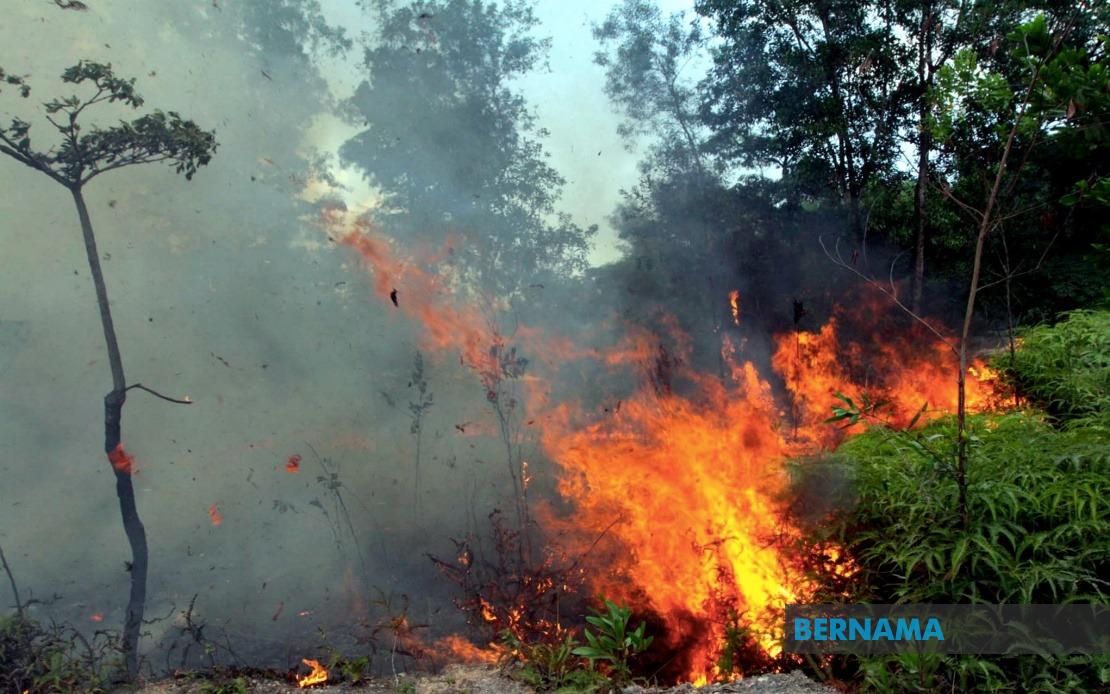
The Malaysian Fire and Rescue Department (JBPM) has embarked on a significant modernisation drive to fortify its operational capabilities before a Super El Niño event strikes the country, according to department leadership. Datuk Seri Nor Hisham Mohammad, the department's director-general, revealed the expanded preparedness strategy following his inauguration of the 2026 Fire and Rescue Games in Kuala Lumpur, emphasising that the timing of these infrastructure investments is critical given the climatic challenges anticipated in the coming months.
The department's strategic approach centres on acquiring substantial quantities of firefighting equipment designed specifically for rapid response to blazes in difficult terrain. JBPM has already received 80 fire engine pumps and expects to obtain an additional 40 units by the conclusion of the current month, effectively tripling its operational pumping capacity. These specialised vehicles represent a cornerstone investment in the department's ability to suppress large-scale forest fires that could emerge during the predicted dry spell.
Beyond fixed-position pumping units, JBPM has procured 200 four-wheel-drive light operational utility vehicles that will function as the department's first-response assets during initial stages of forest fire incidents. The operational philosophy underlying this acquisition reflects a sophisticated understanding of wildfire dynamics in Malaysia's varied topography. These nimble, all-terrain vehicles are designed to penetrate areas inaccessible to standard fire trucks, allowing crews to conduct preliminary reconnaissance, establish access corridors through dense vegetation, and suppress emerging fires before they escalate beyond control.
The Super El Niño phenomenon, which meteorologists expect to develop by late November 2026 with effects reaching Malaysian territory by the end of January 2027, represents a substantial environmental and public safety challenge for the region. This climate pattern typically brings prolonged drought conditions and elevated temperatures that dramatically increase wildfire risk. Nor Hisham acknowledged that JBPM's preparation strategy must balance this anticipated crisis with routine operational demands, noting that the department cannot afford to relax vigilance during other fire seasons, particularly the Southwest Monsoon period, which carries its own weather-related fire risks.
The implications of a Super El Niño for Southeast Asia extend beyond Malaysia's borders, affecting transboundary air quality and environmental stability across the region. Indonesia, Thailand, and neighbouring nations have historically experienced catastrophic forest fires during similar climatic episodes, with smoke haze affecting millions of people across multiple countries. Malaysia's recent history, particularly the severe haze episodes of 2015, demonstrates how unprepared fire services can allow situations to deteriorate into regional public health emergencies affecting air quality across Southeast Asia.
The scale of JBPM's equipment acquisition signals acknowledgment that previous resources proved insufficient during past fire seasons. The procurement of 120 fire pumps and 200 utility vehicles represents a substantial capital investment and indicates high-level concern within Malaysia's emergency management hierarchy regarding the anticipated severity of Super El Niño conditions. This forward-looking approach contrasts with reactive strategies that only materialise after fires have already begun spreading unchecked.
Nor Hisham's public caution against open burning activities underscores a critical communication challenge facing fire services throughout Southeast Asia. Agricultural communities, land developers, and industrial operators frequently utilise fire as a land management tool, and public compliance with burning restrictions during dry seasons remains inconsistent across Malaysia's states. The director-general's warning that fires ignited through open burning can rapidly escape containment during Super El Niño conditions represents an attempt to reshape community behaviour during the critical pre-monsoon period.
The 2026 Fire and Rescue Games, which featured 1,384 competitors across eleven events, served simultaneously as both a training platform and a selection mechanism for identifying elite athletes for international competition. The championship's connection to athlete recruitment for the 2027 World Police and Fire Games in Perth, Australia, reflects Malaysia's commitment to international professional standards within emergency services. These competitions drive operational excellence and encourage innovation in firefighting techniques across participating nations, establishing networks of knowledge transfer that benefit all participating countries.
For Malaysian readers and policymakers, the JBPM initiative represents a concrete example of climate adaptation strategy at the institutional level. Rather than passive acceptance of environmental challenges, the department is attempting to engineer operational resilience through technology and resource deployment. However, equipment acquisition alone cannot address the underlying vulnerability created by climate volatility. The success of JBPM's Super El Niño preparedness ultimately depends on sustained funding for training, maintenance protocols, inter-agency coordination with state authorities and civil defence units, and public cooperation with restrictions on landscape burning activities.
The regional context adds urgency to Malaysia's planning efforts. The 2015 El Niño-related haze crisis imposed enormous economic costs through health emergencies, school closures, and disrupted commerce across the region. Malaysia, as a developed Southeast Asian economy with established institutional capacity, has comparative advantages in implementing sophisticated fire management strategies that poorer neighbours may lack. The success or failure of JBPM's preparations will inevitably influence how other regional fire services approach their own Super El Niño contingency planning.

