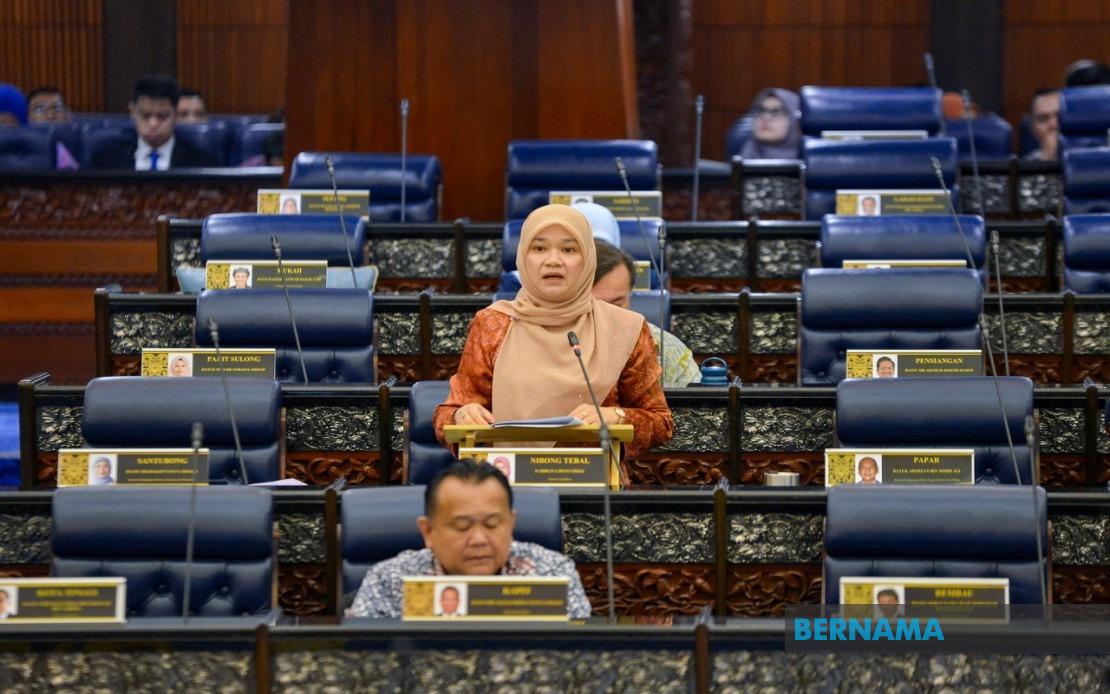
The Ministry of Education is embarking on a comprehensive overhaul of school safety protocols, with Education Minister Fadhlina Sidek announcing a multi-faceted approach that recognises the complexity of ensuring secure educational environments. Speaking during parliamentary questioning, Fadhlina emphasised that safety incidents must be examined on a case-by-case basis, as circumstances vary significantly across different schools and situations. This individualised assessment framework reflects growing recognition that standardised responses cannot adequately address the diverse challenges facing Malaysian educational institutions.
Central to the ministry's strategy is the establishment of a dedicated committee comprising representatives from various government agencies and external organisations. This cross-sector collaboration aims to create a holistic approach to school security, moving beyond physical infrastructure to encompass the psychological and emotional wellbeing of students. The initiative signals a shift towards comprehensive safety ecosystems rather than piecemeal interventions, acknowledging that educational facilities must support student development across multiple dimensions.
The ministry has secured substantial technical assistance from the National Institute of Occupational Safety and Health, which will provide expertise on structural safety, drainage systems, and fire prevention measures. This partnership ensures that campus security extends beyond conventional safety concerns to address environmental and infrastructural risks that could jeopardise student welfare. Training programmes will be rolled out to enhance safety coordination capabilities at individual school levels, empowering administrators and staff with the knowledge required to implement effective protocols.
Two significant policy documents now serve as foundational references for all educational institutions. The Safe School Management Guidelines and School Student Protection Policy, launched on June 11, establish comprehensive standards for protecting students' physical, social, and emotional integrity. These frameworks acknowledge that genuine safety encompasses far more than preventing violent incidents; they recognise that schools must foster environments where students feel secure enough to learn effectively and develop healthy social relationships.
Addressing the persistent problem of bullying, the ministry is updating its handling procedures to align with the Anti-Bullying Act 2026, which took effect on June 16. This legislative alignment is particularly significant for Malaysian schools, as it provides legal backing for anti-bullying interventions and establishes clearer accountability mechanisms. By harmonising school policies with national legislation, the ministry creates a stronger legal framework for protecting vulnerable students from harassment and intimidation.
The ministry's operational improvements include a substantial expansion of surveillance infrastructure. The installation of closed-circuit television systems will extend to 333 schools during this year, up from 200 schools in the previous year. While CCTV deployment remains controversial in some educational circles due to privacy concerns, the ministry appears confident that enhanced monitoring will deter misconduct and provide documentary evidence in cases where incidents occur. This technological approach represents a significant investment in school safety infrastructure.
Nighttime safety has received particular attention through the appointment of 300 additional hostel wardens, effective from April 1. This staffing expansion addresses a recognised vulnerability period when students are away from direct parental supervision yet remain under institutional care. The presence of trained personnel during evening and overnight hours should improve incident response capabilities and provide students with accessible adult support when needed.
When confronted with parental concerns about bullying, Fadhlina outlined a comprehensive response framework that extends beyond punitive measures. Each case receives assessment supported by certified counsellors, ensuring that interventions consider the psychological dimensions of bullying situations. The involvement of Parent-Teacher Associations and broader community initiatives indicates recognition that addressing bullying requires coordination across educational, familial, and community spheres. This collaborative approach acknowledges that sustainable solutions emerge from shared responsibility rather than institutional efforts alone.
The five foundational pillars guiding the ministry's safety strategy—prevention, monitoring, reporting, intervention, and enforcement—provide a comprehensive architecture for addressing threats to student welfare. Prevention initiatives seek to eliminate or mitigate risks before incidents occur. Monitoring systems enable early detection of problems. Clear reporting mechanisms empower students, staff, and families to communicate concerns. Intervention protocols ensure swift, appropriate responses to identified issues. Enforcement mechanisms establish consequences that deter future misconduct. This integrated framework moves beyond reactive crisis management towards systematic risk reduction.
For Malaysian parents and educators, these developments suggest a genuine commitment to creating safer school environments, though implementation quality will ultimately determine effectiveness. The expansion of physical security measures and administrative frameworks must be accompanied by genuine cultural shifts within schools towards prioritising student wellbeing. The success of these initiatives will depend heavily on staff training, resource allocation, and whether institutional cultures genuinely embrace the protective values that these policies articulate. The coming months will reveal whether enhanced monitoring and updated guidelines translate into measurable improvements in student safety outcomes across Malaysian schools.

