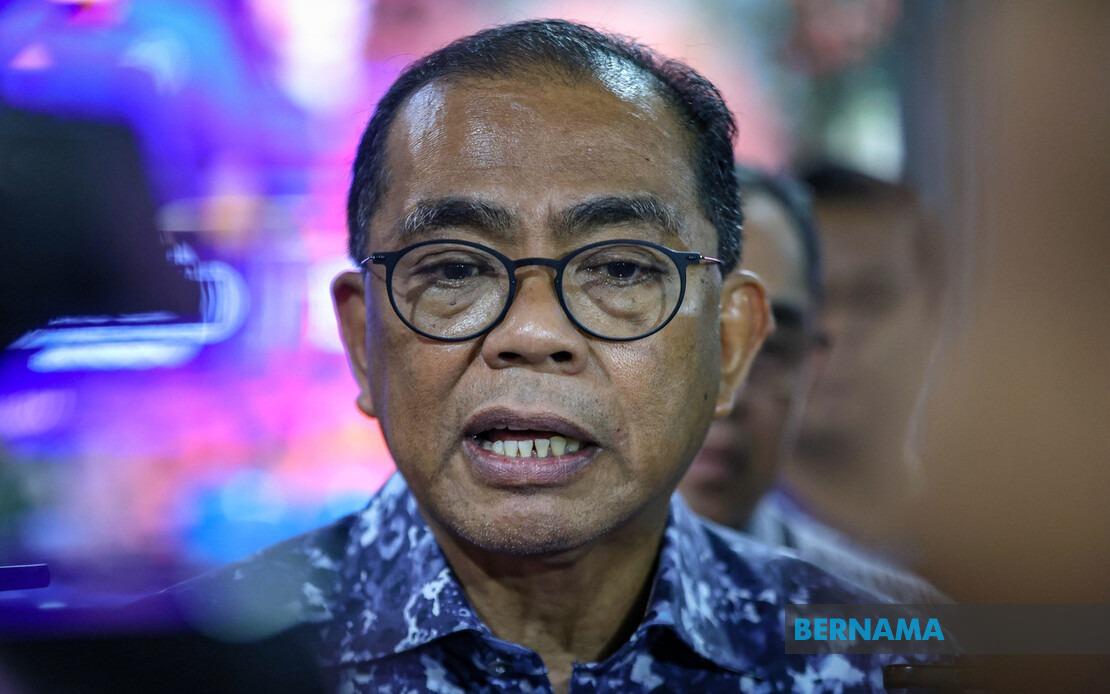
The Ministry of Defence is driving a concerted effort to overhaul how the Malaysian Armed Forces manages its personnel, recognising that military recruitment and retention have become critical challenges in an era of rapid technological advancement. Speaking at a gathering in Pasir Gudang on Thursday, Defence Minister Datuk Seri Mohamed Khaled Nordin outlined an ambitious reform agenda centred on three interconnected pillars: organisational restructuring, improved career pathways, and enhanced compensation packages tailored to military service requirements.
The impetus behind these changes reflects a fundamental realisation within MINDEF that the current system, designed for a different era, creates bottlenecks that frustrate capable officers. Mohamed Khaled acknowledged that numerous serving personnel meet the professional and performance standards expected for advancement but find themselves unable to progress because the rank structure simply lacks sufficient vacancies at higher levels. This stagnation represents both a morale challenge and a potential talent drain, as ambitious officers may seek opportunities outside the military or move to neighbouring countries where career prospects appear brighter.
The ministry has submitted detailed proposals to both the federal government and the Public Service Department for evaluation and approval. These submissions represent the culmination of strategic thinking that began with the launch of the Defence White Paper in 2022, which first articulated the need to align military human resource management with the broader modernisation of defence capabilities and technology adoption. By linking personnel reforms to equipment upgrades, MINDEF makes a compelling case that outdated rank structures and promotion mechanisms cannot effectively manage a military expected to operate sophisticated systems and platforms.
One particularly noteworthy aspect of the reform agenda addresses compensation. The ministry argues that military personnel warrant special allowances reflecting the unique demands of defence service, including mandatory participation in extended professional courses lasting between nine months and two years. These training commitments impose significant personal costs—family separation, interrupted civilian education opportunities, and career continuity concerns—that civilian public servants do not typically face. Proposals for enhanced remuneration under the Public Service Remuneration System were formally submitted to the Public Service Department in March of last year, positioning this issue as part of a longer-term negotiation with central budget authorities.
Crucially, Mohamed Khaled emphasised that accelerated promotion pathways will not abandon meritocratic principles, a statement that directly addresses potential concerns about fairness among serving officers. Any expedited advancement will remain grounded in rigorous evaluation of performance, competency, integrity, and alignment with organisational requirements, processed through established assessment mechanisms. This framing suggests MINDEF is conscious of maintaining institutional credibility and preventing a promotion system from becoming politicised or patronage-driven—concerns that could undermine military cohesion and professional standards.
These defence ministry initiatives align closely with a broader government commitment to modernise security sector management. Prime Minister Datuk Seri Anwar Ibrahim announced yesterday that the cabinet has agreed in principle to streamline and expedite promotion procedures for both military and Royal Malaysia Police personnel, bringing them closer to schemes already operating in other public service branches. This cross-sector approach signals that the government recognises retention challenges affect not just defence but also law enforcement, where qualified personnel with marketable skills face similar incentives to pursue private sector employment.
The government has also signalled its financial commitment to these reforms and broader defence objectives by pledging to increase MINDEF's allocation in the 2027 budget. This increased funding is intended to strengthen operational capabilities of the Malaysian Armed Forces while simultaneously addressing personnel welfare concerns. For a nation facing regional security challenges and competing defence modernisation priorities, ensuring the military retains experienced, motivated personnel represents an essential investment alongside physical assets and technological systems.
The timing of these announcements carries strategic significance for Malaysia's defence posture. Southeast Asia faces evolving security dynamics, including maritime disputes, cyber threats, and transnational security challenges that demand sophisticated, well-trained military personnel. Countries that fail to retain experienced professionals risk seeing capabilities erode over time as institutional knowledge walks out the door. Malaysia's neighbours, particularly Singapore and Thailand, have long recognised that defence effectiveness depends critically on human capital, and MINDEF's current emphasis reflects that understanding gaining purchase in Kuala Lumpur.
Detailed implementation mechanisms remain to be finalised, with Prime Minister Anwar indicating that specifics of the new promotion framework will be announced during the Ambang Merdeka celebration at Stadium Merdeka on August 30. This public unveiling during a significant national occasion reflects the government's determination to present these reforms as part of its broader vision for national progress and institutional modernisation. The announcement strategy also provides time for affected stakeholders—serving officers, military associations, and budget agencies—to prepare for implementation.
The success of these reforms will ultimately depend on execution quality and whether the government can move swiftly from proposal to implementation. Malaysia's public sector, while capable, has sometimes struggled with protracted approval processes and coordination challenges between agencies. MINDEF's emphasis on swift adoption of structural changes alongside defence modernisation suggests the ministry recognises that the window for retaining institutional knowledge and preventing talent migration remains limited. As defence technology becomes more complex and regional competition for skilled personnel intensifies, getting these reforms right could meaningfully enhance Malaysia's security preparedness.

