The employment trajectory of Malaysia's agricultural technical and vocational graduates has shown measurable improvement over the past six years, though persistent gaps suggest systemic challenges remain in mobilising the nation's farming workforce. Official figures released at a stakeholder engagement session in Putrajaya reveal that 76 per cent of TVET graduates working in agriculture secured employment in 2024, representing a substantial 15-percentage-point climb from the 61 per cent recorded in 2018. Despite this encouraging trend, the sector continues to lag considerably behind the national TVET average of 95 per cent, pointing to structural barriers unique to agricultural career pathways that policymakers have yet to fully address.
The Graduate Outcomes of Agricultural TVET in Malaysia report, developed jointly by the Ministry of Agriculture and Food Security (KPKM) and PNB Research Institute, draws on longitudinal data spanning several years to paint a comprehensive picture of how vocational graduates navigate agricultural employment, income generation, and entrepreneurial participation. The collaborative research effort emerged from a formal partnership established between KPKM and PNBRI, designed to strengthen vocational training in agriculture whilst building broader awareness among young Malaysians about opportunities in farming and related sectors. This institutional approach reflects recognition at the ministerial level that reversing demographic decline in agriculture requires not just improved training programmes, but systematic research into graduate outcomes and market realities.
Financial incentives undoubtedly shape career decisions among TVET graduates, and the evidence here offers a compelling case for agricultural employment. Graduates who committed their careers to the agricultural sector earned an average monthly income of RM100 higher than peers who pursued non-agricultural work, a tangible premium that, whilst modest on absolute terms, compounds significantly over working lifespans. More intriguingly, those who ventured into agro-entrepreneurship—establishing their own agricultural businesses or value-added ventures—generated superior incomes compared to graduates operating in non-agricultural sectors, demonstrating that farming offers pathways to meaningful economic advancement for those with entrepreneurial ambitions. This income advantage contradicts persistent public perception of agriculture as a low-wage sector, yet the gap between perception and reality remains a marketing challenge for youth recruitment efforts.
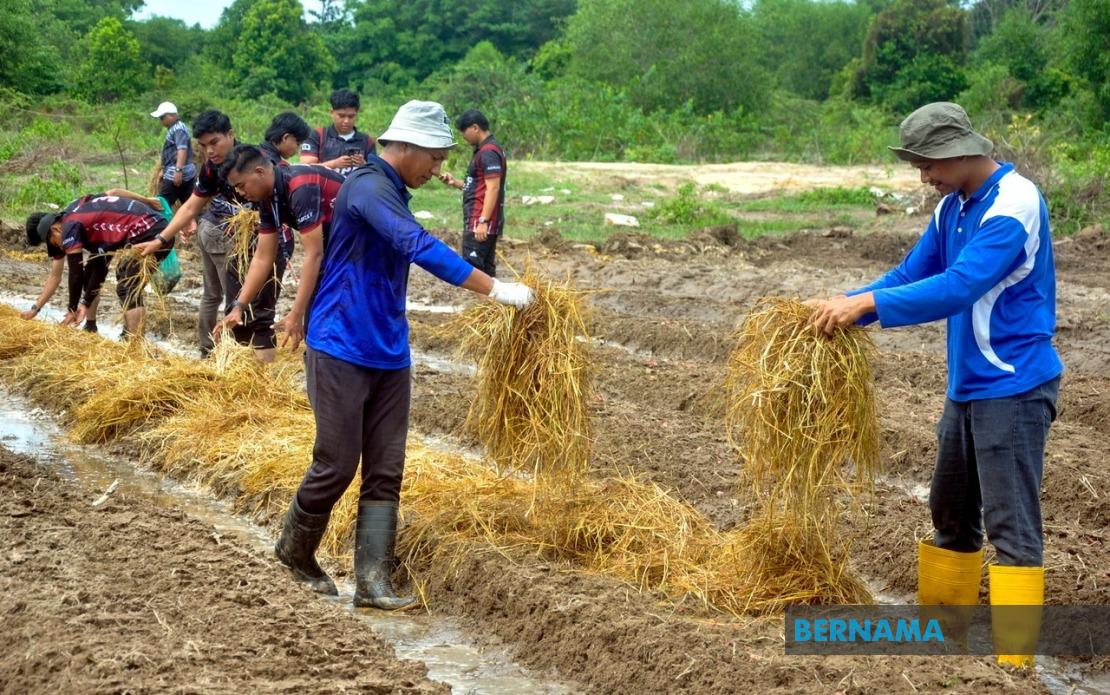
Underlying these employment gains, however, lies a demographic crisis that threatens long-term agricultural viability. The farming workforce is ageing noticeably, with one in two farm workers now aged 40 and above—a ratio that signals potential productivity challenges and succession planning difficulties across the sector. Youth engagement has declined consistently throughout the past decade, reflecting broader shifts in occupational preferences among younger Malaysians, many of whom pursue service-sector or technology-focused careers over resource-based livelihoods. This generational gap creates an urgent timeframe for policymakers and educators to reshape the perception and accessibility of agricultural careers, lest Malaysia find itself dependent on imported farm labour or facing food security vulnerabilities tied to demographic imbalances.
Geographic concentration of agricultural TVET graduates further illustrates uneven development across Malaysia's regions, with direct implications for state-level food production resilience. Sabah leads with 15 per cent of participating graduates, followed by Kedah at 14 per cent and Sarawak at 13 per cent, yet major agricultural states including Johor, Pahang and Perak remain substantially underrepresented. This distribution suggests either inadequate TVET programme availability in these high-potential zones or insufficient awareness and uptake among local youth, representing untapped human capital reserves within Malaysia's most productive agricultural regions. The geographical imbalance complicates national food security planning, as vocational skills development remains misaligned with regional agricultural comparative advantages.
Recognising these multifaceted challenges, KPKM has articulated six strategic policy directions intended to systematically enhance agricultural TVET outcomes. These include tailoring vocational programme expansion according to state-specific agricultural priorities and labour demands, a shift from one-size-fits-all national curricula toward regionally responsive training. Success measurement frameworks must evolve beyond generic TVET metrics to capture outcomes directly relevant to agricultural productivity and sector participation. The ministry also emphasises reducing entrepreneurial risk through improved mentorship, financing mechanisms and market linkages—acknowledging that many graduates possess technical competency yet lack confidence or capital to launch agricultural enterprises. All programmes should embed entrepreneurial skills alongside market awareness, ensuring graduates understand not just production techniques but commercial viability and supply-chain dynamics.
Value-chain literacy represents another policy emphasis, reflecting understanding that modern agriculture extends far beyond primary production. TVET curricula should expose students to entire agricultural value chains—from input supply through processing, logistics, retail and export—enabling graduates to identify diverse career opportunities and entrepreneurial niches rather than viewing farming narrowly as crop cultivation alone. Industry collaboration strengthens this ecosystem further, positioning educational institutions as genuine partners with agribusiness firms, cooperatives and government agencies rather than isolated training providers. This collaborative approach mirrors successful TVET models in East Asian economies, where employer engagement in curriculum design and graduate placement has proven instrumental in maintaining relevance and employability.
The policy framework aligns closely with broader national strategic imperatives, particularly the National Food Security Policy 2030 and the National Agro-Food Policy 2021-2030 (DAN 2.0), both of which recognise agriculture's critical role in economic resilience and public welfare. The findings received formal endorsement at the National Technical and Vocational Education and Training Council meeting convened by Deputy Prime Minister Datuk Seri Dr Ahmad Zahid Hamidi on June 4, elevating the agricultural TVET agenda within national governance hierarchies and signalling political commitment to implementation. This institutional positioning carries importance for resource allocation and cross-ministry coordination, as achieving food security objectives requires sustained investment in human capital development across vocational pathways.
For Southeast Asia more broadly, Malaysia's experience offers instructive lessons regarding the challenge of mobilising youth toward agricultural vocations amidst rapid urbanisation and shifting labour market preferences. The 76 per cent employment rate, whilst improved, reflects incomplete market absorption of vocational graduates—suggesting either insufficient job creation within agriculture or persistent quality-of-life factors driving youth away from farming. Regional peer economies face analogous demographic transitions and youth employment challenges, making Malaysia's policy innovations and research-driven approach to agricultural TVET potentially valuable for knowledge-sharing across the Association of Southeast Asian Nations. The emphasis on entrepreneurship and value-chain integration reflects contemporary agricultural transformation toward technology-enabled, market-responsive farming systems rather than subsistence or commodity-focused production models.
Success in elevating agricultural TVET employment toward the 95 per cent national average will require sustained commitment beyond policy announcements. Implementation must translate strategic directions into tangible curriculum changes, educator training, industry partnerships and young Malaysian recruitment campaigns that authentically portray farming as a viable, remunerative career option. The modest RM100 monthly income premium and agro-entrepreneurship success stories provide communication hooks for messaging, yet perception change operates on generational timescales. Policymakers and industry stakeholders must recognise that reversing youth participation decline demands more than economic rationality—it requires cultural repositioning of agriculture within Malaysia's contemporary identity, acknowledging farming as a modern, technical, globally integrated endeavour worthy of ambitious young talent.

