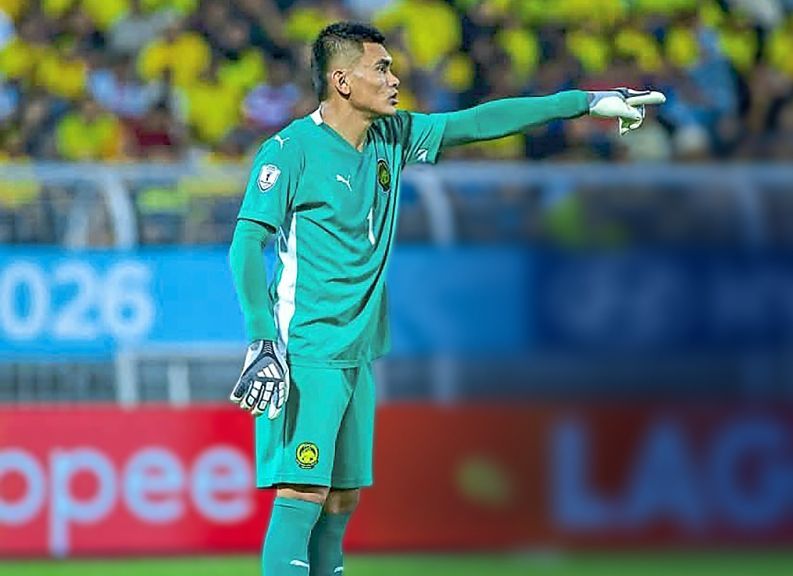
Malaysia's quest for the Hyundai AFF Cup title suffered a significant blow on Sunday when they were convincingly beaten 2-0 by Vietnam in the semi-final first leg at Cheras Football Stadium in Kuala Lumpur. The defeat leaves the national team facing an enormous challenge heading into the second leg at Vietnam's MyDinh Stadium in Hanoi, where they will need to overturn the deficit against defending champions who have shown their pedigree at this stage of the tournament.
The match unfolded with early disruptions for the Malaysian side, as centreback Rodney Celvin Akwensivie was forced off the pitch with an injury in just the 15th minute. This forced interim coach Tan Cheng Hoe to bring on young centreback Aysar Hadi Sapri as a replacement, a substitution that unsettled Malaysia's defensive organisation during the crucial opening phases. The loss of an experienced defender so early in the match highlighted the challenges Malaysia faced in managing the intensity and tactical sophistication that Vietnam brought to the encounter.
Despite falling behind early, Malaysia created genuine opportunities to take the lead during the opening period. In the 34th minute, a sequence of play saw leftback Faris Danish Asrul deliver a low cross into the box that captain and striker Paulo Josue turned towards goal, only for Vietnam goalkeeper Patrick Le Giang to produce a crucial save. The reprieve proved short-lived for Vietnam's goalkeeper, as midfielder Daryl Sham George had an empty net beckoning seconds later but inexplicably skied his attempt over the crossbar. These squandered chances would haunt Malaysia, as they failed to capitalise on two gilt-edged opportunities in quick succession.
Vietnam's opening goal came just before half-time when attacker Xuan Son rose unmarked at the far post to head home a sumptuous delivery from wingback Truong Tien Anh. The ease with which the Vietnamese attacker found space highlighted a lapse in Malaysia's defensive marking and positioning at a critical juncture. Rather than momentum building from Malaysia's earlier chances, Vietnam seized the initiative with clinical finishing that exposed the gaps in the Harimau Malaya's rearguard, giving the visitors the psychological advantage heading into the interval.
The second period saw Malaysia adjust their approach, pushing forward with greater intensity to create chances while Vietnam sat deeper and looked to exploit the spaces left behind on the counter-attack. This tactical shift demonstrated Tan Cheng Hoe's willingness to take risks, though it also invited danger at the back. The match took a controversial turn in the 60th minute when referee Rustam Lutfullin from Uzbekistan dismissed goalkeeper Patrick Le Giang for allegedly handling the ball outside his area. However, upon consultation with the video assistant referee system, the decision was overturned as television replays confirmed that the goalkeeper's clearance did not involve his hands.
Searching for inspiration and a change in momentum, Tan Cheng Hoe introduced fresh legs into the Malaysian midfield and attacking lines. Winger Haqimi Azim Rosli and midfielder Ibrahim Manusi, the latter making his international debut, replaced Mahamadou Sumareh and Syafiq Ahmad in an attempt to unlock Vietnam's increasingly resolute defensive structure. These tactical adjustments failed to yield the desired results, however, as Vietnam's back line remained disciplined and compact, preventing Malaysia from creating clear-cut openings despite dominating possession for large periods.
Vietnam's second goal arrived in the 86th minute when Malaysia's evening was compounded by an own goal from Faris, capping a frustrating night where the home side not only failed to convert their limited opportunities but also contributed to their own downfall. The own goal effectively sealed the outcome and underscored Malaysia's defensive vulnerabilities against a team that has consistently demonstrated championship pedigree in Southeast Asian football. For Malaysia, it represented a culmination of missed chances, individual errors, and an inability to sustain pressure over ninety minutes.
The path forward for Malaysia remains challenging but not entirely without hope. The second leg at MyDinh Stadium presents an opportunity to salvage their tournament aspirations, though defending champions Vietnam will be buoyed by their comprehensive first-leg performance. Malaysia will need to replicate their attacking intent from the opening half while simultaneously tightening their defensive discipline if they are to mount a credible comeback. The return fixture will require exceptional execution and, perhaps more importantly, the clinical finishing that eluded them at Cheras. Without significant improvements across all areas of play, Malaysia's hopes of reaching the final appear to rest on a considerable upset in the hostile environment of Hanoi.

