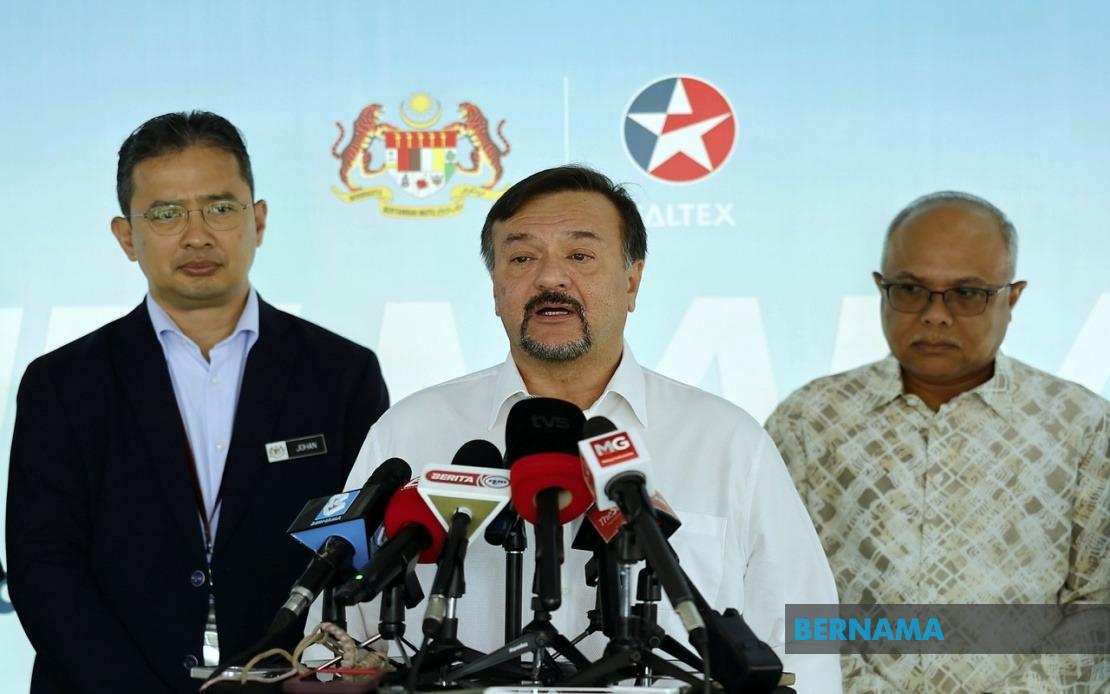
The Malaysian government has formally launched a comprehensive consultation process across the country to gather input for the 2027 Budget, which Finance Minister II Datuk Seri Amir Hamzah Azizan confirmed is progressing towards its scheduled October presentation to Parliament. These engagement sessions represent a structured effort by the Ministry of Finance and participating government departments to ensure the upcoming budget reflects diverse perspectives and priorities from multiple stakeholder groups and geographical regions throughout the nation.
Amir Hamzah underscored that the government is proceeding methodically with the budget formulation process, prioritising alignment with Malaysia's overarching economic and social policy framework. The emphasis on a measured approach signals the administration's intention to avoid hasty decisions that might undermine macroeconomic stability or derail long-term developmental objectives. This deliberate pace allows sufficient time for the Ministry of Finance to synthesise feedback from relevant agencies and translate policy intentions into concrete fiscal measures.
The 2027 Budget operates within the conceptual architecture of the MADANI Economy framework, which represents the government's contemporary vision for national development. This framework is built on a dual-track strategy: elevating the economy's upper reaches to enhance international competitiveness while simultaneously strengthening the economic foundation to create broader-based prosperity. This approach aims to address Malaysia's persistent challenge of ensuring that economic growth benefits reach beyond concentrated elite segments to encompass wider swathes of the population.
The budgetary formulation process is being guided by several recently articulated strategic documents that collectively shape government priorities. The 13th Malaysia Plan provides the medium-term developmental roadmap, establishing targets across multiple sectors and timeframes. The National Semiconductor Strategy responds to global opportunities in advanced manufacturing and technology, positioning Malaysia within critical supply chains that promise high-value employment and export revenues. Meanwhile, the National Energy Transition Roadmap addresses the imperative to transition away from fossil fuel dependency while maintaining energy security and affordability—a particularly sensitive issue for a nation still substantially dependent on petroleum revenues.
Amir Hamzah's public statements deliberately avoided revealing specific budgetary measures or allocations, instead emphasising the consistency of the government's overall direction. This restraint reflects standard practice in budget preparation cycles, where premature disclosure of policy intentions could trigger market volatility, speculative behaviour, or premature positioning by interest groups. The Finance Minister's insistence that the framework remains anchored in MADANI principles reassures investors and observers that the government will not dramatically pivot its economic philosophy mid-term.
The trajectory towards developed-nation status by 2030 provides an overarching deadline that shapes budgetary priorities and resource allocation decisions. This target, while ambitious, reflects Malaysia's aspiration to transition beyond upper-middle-income classification and join the ranks of high-income economies. Achieving this transition requires sustained investments in human capital, technological innovation, and infrastructure modernisation—commitments that fiscal planning must necessarily reflect across multiple budget cycles.
Context regarding the previous budget cycle illuminates the scale of government expenditure. Budget 2026 commanded RM419.2 billion in total allocation, with operating costs consuming RM338.2 billion and development investments accounting for RM81 billion. These figures underscore the substantial fiscal resources required to maintain government operations while simultaneously funding growth-oriented initiatives. Additionally, the government mobilised RM50.8 billion through investments channelled via government-linked investment companies, Federal statutory bodies, and public-private partnership vehicles, demonstrating the breadth of mechanisms through which policy objectives are operationalised beyond direct government spending.
For Malaysian businesses and investors, the ongoing consultation process holds implications across multiple dimensions. Companies operating in semiconductors, renewable energy, and digital infrastructure may find the strategic priorities reflected in the budget particularly consequential. Small and medium enterprises, which constitute Malaysia's employment and entrepreneurial backbone, will likely scrutinise whether the budget allocates sufficient resources towards capability-building, access to financing, and market development support. Regional disparities in economic development suggest that the consultation process will include geographically-specific concerns regarding infrastructure investment and economic diversification outside the developed Klang Valley and Penang corridors.
The involvement of multiple ministries in the engagement sessions indicates recognition that budgetary decisions cut across departmental boundaries and require inter-agency coordination. Education, health, industrial development, agricultural modernisation, and social welfare agencies all compete for fiscal resources while pursuing complementary developmental objectives. The consultation phase allows these ministries to articulate priorities and negotiating positions before the Finance Ministry synthesises competing demands into a coherent allocation framework.
For Southeast Asia's broader investment community, Malaysia's budgetary direction carries relevance regarding the region's technological competitiveness and energy transition trajectory. As the semiconductor industry faces geopolitical pressures and reshoring dynamics, Malaysia's strategic choices regarding sectoral support and infrastructure investment influence whether the nation maintains its position as an attractive manufacturing and design hub. Similarly, the energy transition roadmap's implementation through budgetary mechanisms will signal the credibility of Malaysia's climate commitments and the pace at which energy-intensive industries must adapt their operations.
The nationwide nature of the consultation process reflects federalism principles and the importance of capturing subnational economic realities. Peninsular Malaysia's developed urban cores operate under different constraints and opportunities than the East Malaysian states of Sabah and Sarawak or the more agriculturally-oriented regions of the Peninsula. Incorporating these geographical perspectives into budgetary planning enhances the likelihood that allocations respond to actual conditions rather than theoretical models disconnected from ground realities.

