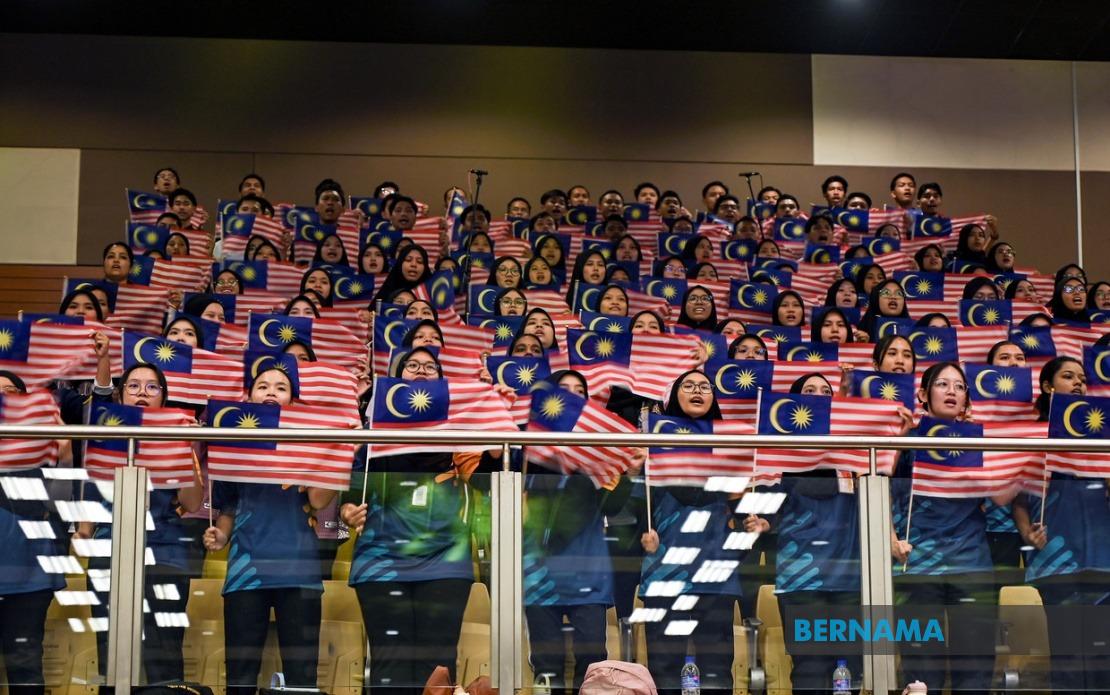
The countdown to Malaysia's 2026 National Month and Kibar Jalur Gemilang launch ceremony has entered its final stretch, with coordinators in Ipoh confirming that logistical preparations have reached 80 per cent completion ahead of Sunday's scheduled event. The occasion, officially known as HKHM2026, will bring together celebrations marking both National Day and Malaysia Day in what organisers describe as a carefully calibrated event designed to maximise patriotic resonance whilst maintaining fiscal restraint and inclusive participation.
Hosted at Dewan Sri Perdana within the Sultan Azlan Shah Health Ministry Training Institute in Perak's capital, the ceremony reflects a broader strategic pivot towards consolidating national celebrations around meaningful grassroots engagement rather than large-scale pageantry. According to Faizal Adanan, deputy director of the Information Department's Communication Services and Community Development Division, the decision to stage proceedings at the 3,000-capacity venue signals a deliberate commitment to fostering togetherness across Malaysia's diverse demographic tapestry. Despite the more intimate setting, organisers maintain that the event's societal impact and symbolic resonance will not diminish, with meticulous rehearsals and comprehensive final preparations underway to ensure execution matches ambition.
Prime Minister Datuk Seri Anwar Ibrahim's scheduled attendance as the ceremony's chief officiator underscores the occasion's political significance within Malaysia's national calendar. His presence will lend executive endorsement to a celebration framework that extends beyond ceremonial formalities, encompassing participatory elements designed to channel public enthusiasm across multiple age groups and community segments. The prime minister's involvement signals continuity in Malaysia's commitment to national renewal themes whilst simultaneously acknowledging the practical constraints and budgetary considerations shaping contemporary governance priorities.
The centrepiece sporting component, a Merdeka Patriotic Run expected to draw approximately 2,000 participants, will receive ceremonial commencement from Datuk Abdul Halim Hamzah, secretary-general of the Communications Ministry. This integration of athletic activity within formal national celebrations reflects evolving approaches to promoting patriotic sentiment through active community participation rather than passive observation. The run's scale and anticipated turnout suggest strong public interest in contributing meaningfully to national commemorations, demonstrating that reduced ceremonial grandeur need not discourage grassroots engagement.
Cultural performances will occupy a prominent position within Sunday's programme, particularly a patriotic choir presentation by Sultan Azlan Shah Health Ministry Training Institute trainees whose previous viral performances have generated organic public enthusiasm. This deployment of compelling human-interest narratives within official proceedings exemplifies modern governmental communication strategies that prioritise authentic grassroots expression over manufactured spectacle. The choir's trajectory from internet phenomenon to national ceremony participants encapsulates how digital-age social movements can intersect with traditional state functions.
A flag-raising ceremony conducted by security forces will mark the ceremonial restoration of traditions suspended for two years, signalling renewed normalisation of public rituals central to Malaysia's national identity infrastructure. The reintroduction of this symbolic gesture carries psychological and cultural weight extending beyond mere ceremonial choreography, representing institutional recommitment to practices that ground collective national consciousness. Security personnel's participation emphasises the integration of state apparatus with civil society in reinforcing patriotic frameworks.
The HKHM2026 theme song launch, performed by a Malaysian recording artist, will provide musical dimension to proceedings whilst generating content suitable for social media amplification. This strategic incorporation of entertainment elements within official national observances acknowledges contemporary consumption patterns whereby younger demographics engage political and patriotic messaging through cultural conduits rather than traditional broadcast mediums. The selection of a local performer reinforces domestic cultural industries' centrality to national celebration infrastructure.
Recognising that the ceremony's closed public-access format could potentially limit engagement breadth, organisers have implemented comprehensive digital broadcasting architecture ensuring nationwide accessibility. Live transmission scheduled for 10 a.m. on Sunday will reach audiences through Radio Televisyen Malaysia, Bernama, the Communications Ministry's platforms, and dedicated Merdeka360 Facebook Live channels. This multimedia dissemination strategy democratises participation irrespective of geographical proximity to the Ipoh venue, transforming the ceremony from a localised gathering into a nationwide simultaneous collective experience accessible to all citizens with digital connectivity.
The decision to maintain Sunday's event on modest but effective operational terms foreshadows August 31's principal National Day celebration, which will unfold at Dataran Putrajaya with comparable organisational philosophy. Rather than pursuing elaborate spectacle, planners have embraced a framework balancing fiscal prudence with patriotic authenticity, reasoning that citizen participation quality supersedes attendee quantity when measuring celebratory success. This approach carries implications for how Malaysian governance conceptualises national renewal, emphasising inclusive sentiment over exclusive grandeur.
Communications Minister Datuk Seri Fahmi Fadzil's advance announcements regarding HKHM2026's thematic orientation have prepared public consciousness for the celebrations' overarching message, though specific thematic elements remain to be formally unveiled during Sunday's launch. The graduated revelation of campaign messaging through ministerial statements and countdown events strategically builds anticipatory engagement, creating narrative momentum approaching the formal inauguration. For Southeast Asian observers, Malaysia's methodical approach to national celebrations offers instructive contrast with alternative regional models, demonstrating how constrained resources and deliberately modest scope need not compromise patriotic expression or national identity reinforcement.
Petak's selection as the launch venue, rather than Malaysia's federal capital, reflects deliberate decentralisation of national ceremonies, ensuring that significant patriotic occasions benefit provincial populations and acknowledge regional contributions to national identity formation. Ipoh's hosting role strengthens peripheral engagement with Kuala Lumpur-centric narratives, fostering inclusive national consciousness embracing all Malaysian territories. This geographical distribution strategy represents thoughtful consideration of how celebrations can simultaneously commemorate shared national identity whilst acknowledging regional distinctiveness and provincial participation's essential contribution.

