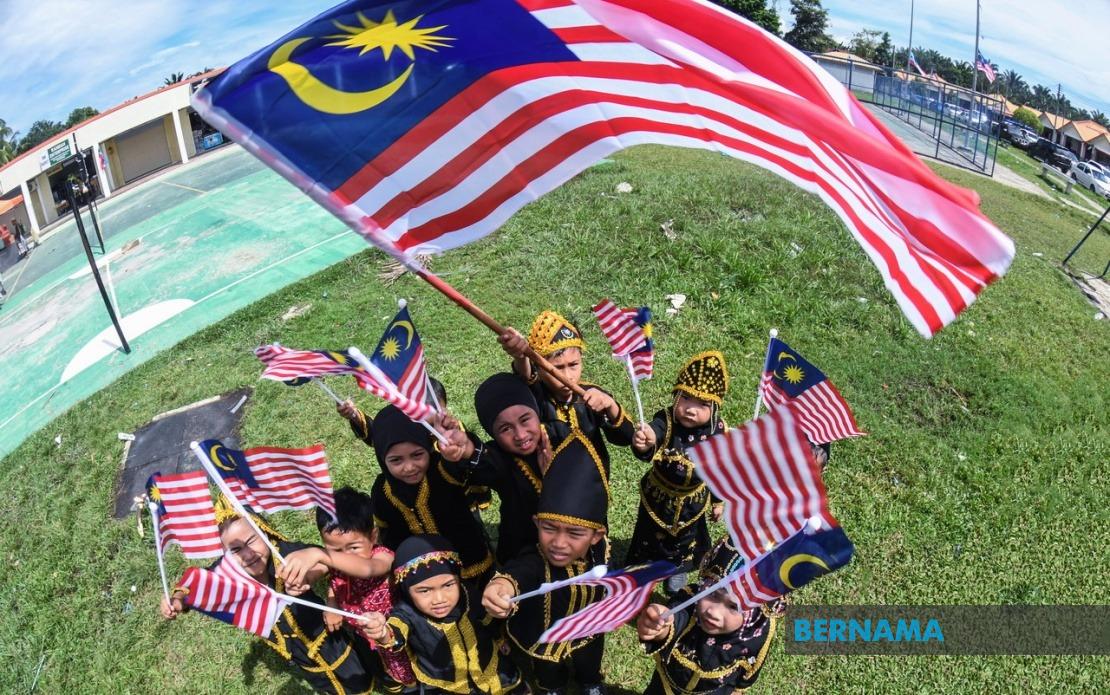
Malaysia's approach to marking its 2026 National Day and Malaysia Day celebrations reflects a deliberate shift towards restraint and introspection. Rather than staging the expansive outdoor spectacles that characterized previous years, the government has opted for a more intimate launch ceremony scheduled for Sunday, July 19, at the Ministry of Health Training Institute Sultan Azlan Shah in Tanjung Rambutan, Perak. This decision signals a broader recalibration of how the nation expresses its patriotic spirit during times of significant international uncertainty and resource constraints.
Muhammad Najmi Mustapha, the director of the Information Department's Communications and Community Development Division, articulated the rationale behind this strategic pivot during a recent radio interview. The choice to downsize the ceremonial aspects reflects contemporary realities that extend well beyond Malaysia's borders. Global energy supply disruptions and the escalating humanitarian crisis in West Asia have prompted government officials to question the appropriateness of lavish public celebrations, even as the desire to foster national unity and pride remains paramount. This balancing act represents a nuanced understanding that patriotism need not depend on grandiose pageantry or mass gatherings.
The contrast with previous years underscores how dramatically the national celebration framework has evolved. In 2024, the launch ceremony took place in the technology hub of Cyberjaya, while 2025 witnessed a large-scale public event in Muar, Johor, bringing thousands together in outdoor settings. The transition from these high-visibility, large-footprint events to an indoor, more controlled gathering at a government training institute represents both practical resource management and philosophical repositioning. Officials have stressed that despite the shift to indoor proceedings, the festive character and emotional resonance of the celebration will not diminish.
Prime Minister Datuk Seri Anwar Ibrahim will formally launch the 2026 National Month initiative and the Jalur Gemilang campaign at ten in the morning, establishing the ceremonial tone for the broader festivities planned throughout the year. The proceedings will receive wide distribution through established media channels, ensuring that Malaysians across the country can participate vicariously even if they cannot attend in person. Radio Televisyen Malaysia and Bernama, alongside various digital platforms including the Facebook pages of Merdeka360, the Ministry of Communications, and the Information Department, will carry live feeds of the event, effectively democratizing access to what would otherwise be a restricted gathering.
Central to this year's commemorative strategy is the continuation and expansion of the "1 Rumah 1 Jalur Gemilang" campaign, a grassroots initiative that invites households throughout Malaysia to display the national flag. This campaign, which originated several years ago, has proven remarkably effective at channeling patriotic sentiment into tangible, visible acts of national pride. The broadening of this initiative to encompass two additional clusters—houses of worship and sports facilities—alongside the existing seven clusters spanning education, higher learning institutions, healthcare, security forces, community organizations, industrial establishments, and government offices, reflects an intentional strategy to make patriotic expression pervasive across all segments of Malaysian society.
The thematic architecture for the 2026 celebrations, announced previously by Communications Minister Datuk Seri Fahmi Fadzil, emphasizes inclusive prosperity. The chosen theme "Malaysia MADANI: Kesejahteraan Dinikmati"—translating to Malaysia MADANI: Enjoyed Wellbeing—articulates a vision of national development that prioritizes equitable access to the fruits of growth. This messaging diverges significantly from purely nationalist rhetoric by grounding patriotic sentiment in tangible improvements to citizens' quality of life. The continuation of the Malaysia MADANI logo as the official emblem until 2027 ensures visual and conceptual consistency across multiple years of commemoration.
Social media has emerged as a critical vector for distributing patriotic messaging during the National Month period. Officials have actively encouraged Malaysians to leverage digital platforms by incorporating the Jalur Gemilang into personal profile pictures and generating user-created content tagged with designated hashtags: #HKHM2026, #MalaysiaMADANI, #KesejahteraanDinikmati, and #Merdeka360. This strategy recognizes that contemporary expressions of national identity frequently occur in digital spaces, where millions of Malaysians spend considerable time and where peer-to-peer sharing can amplify celebratory messages far more effectively than top-down broadcasting alone.
The scheduled August 31 National Day observance at Dataran Putrajaya will maintain the modest yet vibrant character established by the opening launch ceremony. By selecting the iconic federal administrative center as the venue, organizers ensure that the symbolic heart of Malaysian governance becomes the backdrop for national celebration, lending gravitas and institutional weight to proceedings. The deliberate description of this event as both "modest" and "vibrant" suggests that the government aims to infuse festivity and energy while maintaining fiscal restraint and environmental consciousness.
Muhammad Najmi has committed to providing periodic updates regarding celebratory programs and activities throughout the National Month via the Merdeka360 portal and the Information Department's social media channels. This decentralized information strategy acknowledges that Malaysians increasingly consume news and cultural content through diversified digital sources rather than through monolithic traditional media. By maintaining active engagement across multiple platforms, the government ensures that evolving details and emerging activities remain visible to audiences with varied media consumption habits.
The decision to scale back ceremonial grandeur while expanding grassroots participation mechanisms represents a sophisticated understanding of contemporary patriotic expression. Rather than relying on spectacular public events to generate nationalist sentiment, the government has recognized that meaningful patriotism flows from sustained, personal acts of flag-flying, community engagement, and social media participation. This approach distributes the responsibility for celebrating national identity beyond government institutions to homes, workplaces, houses of worship, and sports venues throughout Malaysia.
For Malaysian regional observers, this recalibration of National Day celebrations carries broader implications. It demonstrates that Southeast Asian nations can maintain robust patriotic traditions even while adapting ceremonial practices to reflect economic constraints and international instability. The Jalur Gemilang campaign's expansion into new social sectors suggests a recognition that national symbols gain potency through widespread, non-coerced adoption rather than through orchestrated displays of state power. This approach may prove instructive for other regional democracies navigating similar tensions between celebrating national identity and managing fiscal and environmental responsibilities.
Looking toward the culmination of the 2026 National Month cycle, the government has established a framework that prioritizes accessibility, grassroots participation, and digital engagement while maintaining ceremonial dignity and patriotic substance. By integrating Prime Minister Anwar Ibrahim's formal launch with dispersed nationwide activities, employing social media as a platform for citizen-generated patriotic content, and expanding the Jalur Gemilang campaign across diverse institutional sectors, Malaysian officials have designed an approach to national commemoration that reflects contemporary values around inclusivity, sustainability, and authentic expression of national sentiment.

