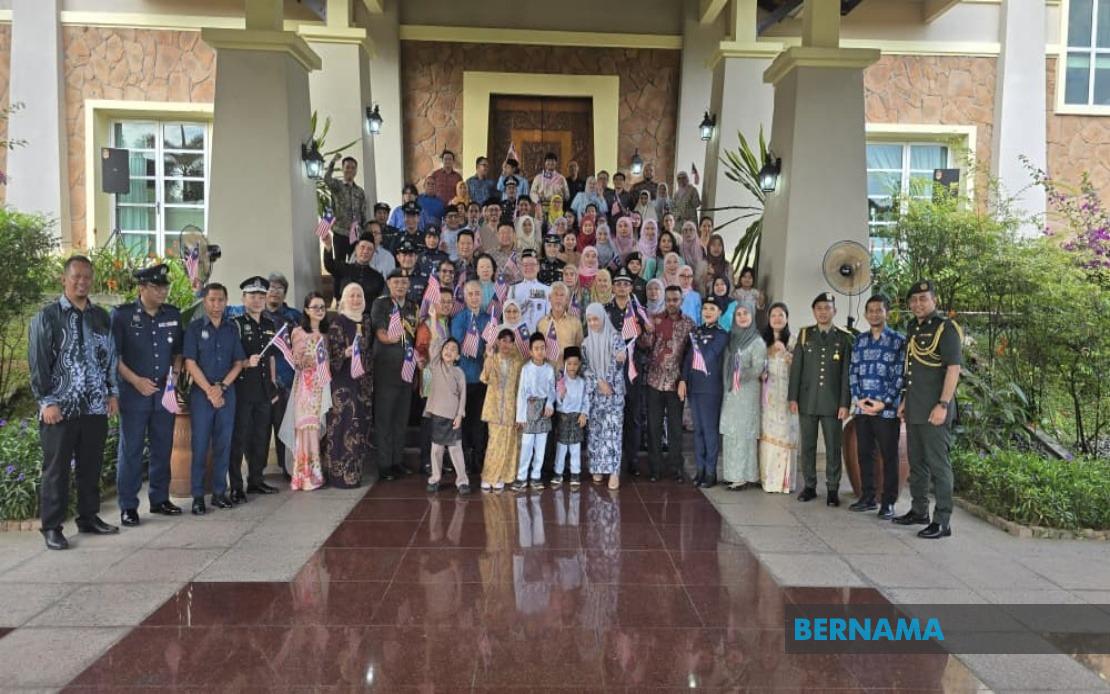
Malaysian nationals residing in Singapore function as vital conduits for deepening the relationship between Kuala Lumpur and the city-state, according to Malaysian High Commissioner to Singapore Datin Paduka Anizan Siti Hajjar Adnin. Speaking during the Malaysian High Commission's 2026 National Day celebration held at Rumah Malaysia in Singapore, she emphasised that the presence and conduct of Malaysians across the Causeway represent far more than individual residence or employment—they embody living extensions of Malaysia's diplomatic presence in a key regional partner.
The High Commissioner drew particular attention to the multifaceted nature of Malaysian-Singapore engagement. Beyond the formal diplomatic apparatus, she noted that tens of thousands of Malaysians who traverse the border daily for work, business, study, or family commitments form an indispensable human network that sustains goodwill between the nations. This cross-border flow, which has become a defining characteristic of the relationship since Singapore's separation from Malaysia in 1965, operates as a practical demonstration of integration that transcends official channels.
Anizan underscored that the historical, geographical, and familial dimensions of Malaysian-Singapore ties cannot be overstated. The two nations share not only a land border but also interconnected economies, linguistic commonalities, and family networks that span generations. For Malaysian expatriates in Singapore, this shared heritage creates what she termed a "special position and role"—one that carries implicit responsibility to project Malaysian values and professionalism on the international stage. This framing transforms everyday conduct into diplomatic function.
The High Commissioner articulated a specific set of principles that she believes Malaysians abroad should exemplify: integrity, professional excellence, courtesy, mutual respect, and communal support. These qualities, she suggested, should become hallmarks of Malaysian presence across Singapore's diverse sectors, from finance and technology to healthcare, education, and trade. By maintaining these standards, Malaysians contribute to shaping Singapore's perception of Malaysia and, by extension, influence bilateral sentiment at grassroots levels that formal diplomacy often cannot reach.
Of particular significance was Anizan's message to younger Malaysian expatriates regarding cultural preservation. She urged the second-generation and younger cohorts to maintain connection with their heritage while residing in Singapore, a cosmopolitan city-state with its own multi-cultural identity. The emphasis on sustaining the Malay language as a unifying national symbol reflects broader Malaysian government concerns about diaspora integration and the maintenance of national identity among citizens abroad. This theme acknowledges the tension between successful integration into host societies and preservation of home-country cultural anchors.
The vision she articulated for Malaysia centres on a nation confident in its own identity yet receptive to global influences. This positioning attempts to address regional debates about Malaysia's international competitiveness and cultural trajectory. By encouraging Malaysians in Singapore to embody this balanced approach—rooted yet open—the High Commissioner signals that the government views expatriates not as external observers but as active participants in building the Malaysia of the future, even from abroad.
The 2026 National Day event itself, attended by more than 70 Malaysian High Commission staff members and their family members, served as both ceremonial occasion and practical demonstration of community cohesion. These annual celebrations function as anchoring events for diaspora communities, providing structured opportunities for cultural reinforcement and the articulation of national values. For Malaysian professionals working in Singapore—a significant and growing demographic given Singapore's status as a regional hub for multinational corporations, financial services, and technology enterprises—such gatherings offer connection to national identity.
Malaysian-Singapore relations occupy a unique position in Southeast Asian diplomacy. Unlike relationships between nations separated by vast distances, the proximity and intertwined nature of these two economies and societies mean that individual conduct carries magnified significance. A Malaysian professional's workplace behaviour, community participation, or civic contribution in Singapore registers not as isolated personal achievement but as a reflection on Malaysia itself. This dynamic, while potentially constraining, also elevates the importance of expatriate engagement.
The High Commissioner's remarks occur against a backdrop of evolving regional dynamics. As Malaysia seeks to enhance its economic competitiveness and international standing, the quality of its human capital abroad becomes increasingly relevant. Malaysian professionals working in Singapore contribute remittances, maintain economic connections, and cultivate networks that benefit both their home nation and the host. Beyond purely economic metrics, they influence perceptions and facilitate people-to-people understanding during periods when government-to-government relations occasionally encounter friction over water agreements, airspace, and maritime boundaries.
For Malaysian readers, particularly those with family or professional ties to Singapore, the High Commissioner's message carries several implications. It legitimises the decision of many Malaysians to work or settle in Singapore while maintaining cultural connection and responsibility to national identity. It also positions expatriate success not as personal ambition detached from national interest but as contribution to Malaysia's international reputation and soft power. This framing aligns individual achievement with collective national benefit.
The emphasis on younger Malaysians maintaining language proficiency and cultural awareness acknowledges generational challenges common to diaspora communities. As children of Malaysian expatriates grow up in Singapore's English-dominant and multilingual environment, the active cultivation of Malay language skills and Malaysian cultural consciousness requires deliberate effort. The High Commission's advocacy for these practices suggests institutional recognition that without such reinforcement, cultural anchoring may weaken across generations.
Looking forward, the role articulated by the High Commissioner for Malaysians in Singapore may acquire greater prominence as regional integration deepens. Whether through ASEAN frameworks, digital economy initiatives, or labour mobility agreements, the quality of bilateral human connections will increasingly influence formal diplomatic and economic relationships. Malaysian nationals serving as unofficial ambassadors—embodying professional excellence, cultural pride, and mutual respect—contribute to the soft infrastructure underlying more formal bilateral arrangements.

