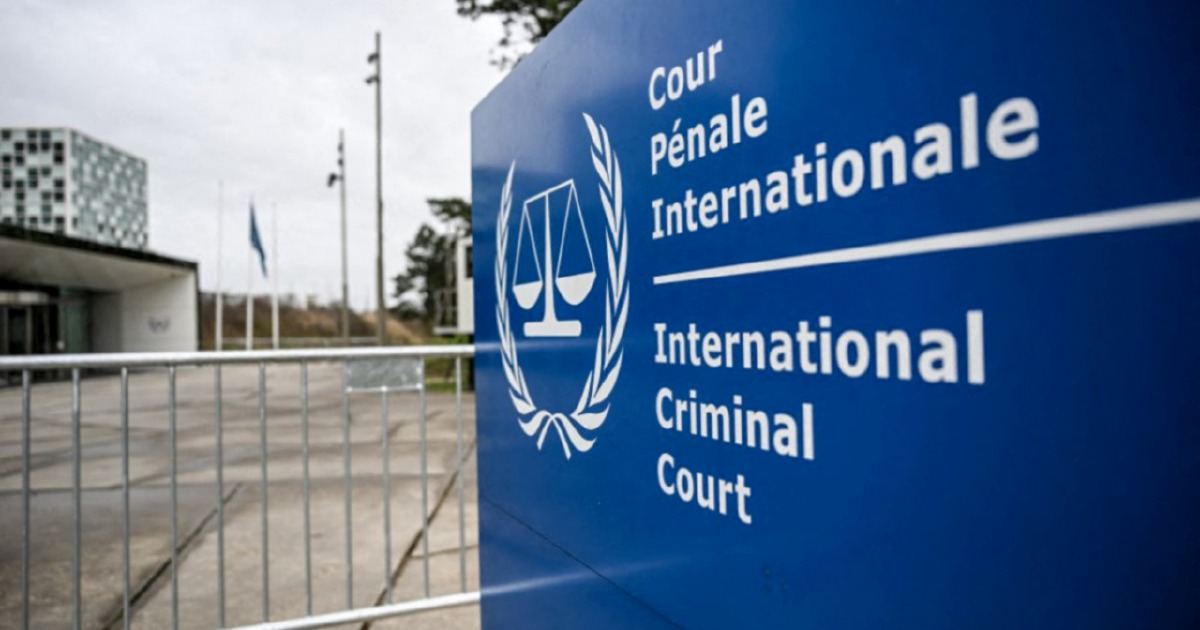
A Malaysian lawyer at the centre of sexual misconduct allegations against International Criminal Court chief prosecutor Karim Khan has come forward publicly, seeking to reclaim her narrative after months of operating under anonymity. In her first public comments, she expressed frustration that her silence had enabled various parties to construct competing versions of her story, each tailored to advance their own agendas and interests.
The decision to abandon anonymity marks a significant turning point in the case, which has consumed international attention and sparked debate about the ICC's leadership and accountability mechanisms. The lawyer's emergence from the shadows comes amid swirling allegations and counter-allegations about her motives, her sources of support, and potential outside interests in the controversy. Speaking to CNN, she sought to address what she described as deliberate mischaracterisations of her actions and character.
Among the claims circulating in diplomatic and media circles has been the suggestion that the allegations are somehow linked to Israeli interests or funding, a narrative that has gained traction in certain quarters despite lacking substantive evidence. The lawyer has firmly rejected these assertions, emphasising that her complaint stems from personal experiences and her commitment to institutional accountability rather than any external political agenda. This denial carries particular weight given Malaysia's historical stance on Middle Eastern issues and the immediate suspicions such connections might otherwise generate.
The nature of anonymity in high-stakes international disputes presents a paradox that has become evident in Khan's case. Protection of a complainant's identity serves important safeguarding functions, shielding individuals from potential retaliation and allowing their allegations to be assessed on merit rather than subject to personal attacks. Yet the same anonymity creates a vacuum in which speculation flourishes, allowing interested parties to project their own assumptions onto an unknown accuser and construct narratives that may bear little resemblance to reality.
Khan, who has maintained his innocence amid the allegations, has faced intense scrutiny as ICC prosecutor since the charges emerged. The position carries extraordinary influence over international justice proceedings, particularly regarding investigations into potential war crimes and crimes against humanity. The allegations against him have raised broader questions about governance and oversight at the ICC, an institution already struggling with perceptions of bias and selective enforcement across different regions and conflicts.
The Malaysian legal professional's decision to speak publicly suggests growing frustration with how her allegations have been instrumentalised and reframed by various commentators and actors. Rather than remaining a muted voice in international proceedings, she has chosen confrontation, willing to subject herself to scrutiny and cross-examination in order to establish agency over her own complaint. This shift reflects the complexity inherent in contemporary sexual misconduct allegations, where the stakes are simultaneously personal, institutional, and geopolitical.
For Malaysia specifically, the case carries distinct resonance. Malaysian professionals working within international institutions often navigate complex perceptions about their nationality and alignment, sometimes facing presumptions about their political loyalties or institutional allegiances. The lawyer's situation illustrates the particular vulnerabilities faced by individuals from Southeast Asian nations who operate in elite international forums, where assumptions about their motivations can flourish unchallenged. Her public intervention can be read as a reclamation of autonomous agency against such stereotyping.
The allegations against Khan emerged during a period when the ICC faces mounting criticism from multiple directions. African nations have repeatedly questioned its disproportionate focus on African cases, while the United States and its allies have voiced concerns about investigations into American and allied personnel. Some commentators have suggested that the personal allegations may be instrumentalised to undermine Khan's leadership, a possibility that simultaneously validates the need for serious scrutiny of high-level misconduct claims.
The public emergence of the complainant introduces new variables into the investigative process. Her willingness to identify herself potentially enables more thorough fact-checking and credibility assessment, though it also exposes her to criticism and character attacks. The move represents a calculated risk, trading the protective distance of anonymity for the ability to shape her own public presence and respond directly to challenges. In doing so, she joins a growing movement among complainants in high-profile cases who choose visibility over institutional protection.
As the ICC grapples with these allegations, the broader question of institutional integrity hangs in the balance. The Court's credibility depends partly on its ability to investigate and adjudicate disputes affecting its own leadership fairly and transparently. The Malaysian lawyer's public intervention may ultimately contribute to that process, provided that her account receives serious consideration alongside the presumption of innocence that Khan deserves. The convergence of personal accountability, institutional governance, and geopolitical intrigue in this case illustrates the multifaceted challenges facing international justice mechanisms in an increasingly polarised global environment.

