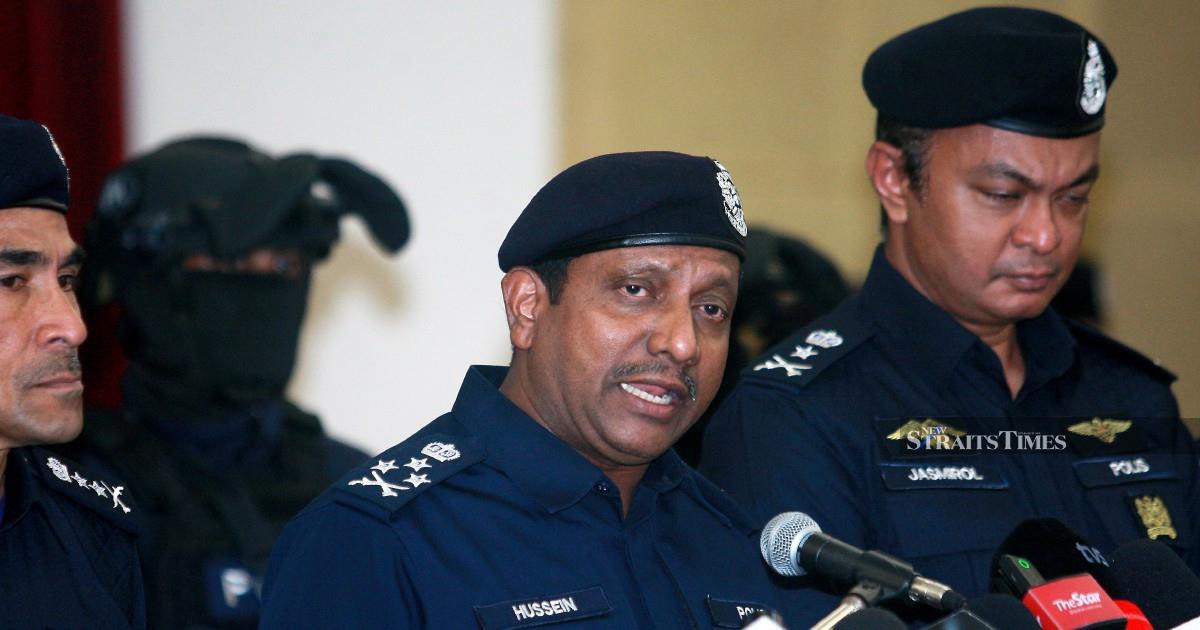
Four officers from Malaysia's Bukit Aman Narcotics Crime Investigation Department have touched down in Jakarta this morning as part of an expanding international investigation into suspected drug-related offences. The arrival represents an escalation in collaborative efforts between Malaysian and Indonesian law enforcement authorities, reflecting the growing sophistication of narcotics trafficking networks across Southeast Asia and the region's commitment to dismantling organised crime operations that span multiple nations.
The officers have been granted a two-day window to conduct interviews with a Malaysian pilot currently in custody in Jakarta. This timeframe, while brief, indicates the delicate diplomatic arrangements required when foreign law enforcement officials operate outside their jurisdiction. Such cross-border operations require meticulous coordination between national authorities, with clear parameters established to ensure both investigative progress and respect for legal protocols in the host country.
The presence of Malaysian investigators in Indonesia underscores the transnational nature of modern drug trafficking. Organised criminal networks exploit geographic borders and regulatory gaps, moving contraband across Southeast Asia with increasing efficiency. Malaysia's strategic location as a maritime and air transport hub between major drug-producing regions in the Golden Triangle and growing consumer markets throughout Asia makes it a critical junction in illicit drug supply chains. Investigations that require multi-country cooperation are therefore essential to disrupting these operations.
Indonesia has intensified its stance against drug trafficking in recent years, implementing some of Southeast Asia's harshest penalties for narcotics offences. The Indonesian authorities' willingness to grant Malaysian investigators direct access to a detained national suggests a high degree of cooperation between the two neighbouring countries on this issue. This collaborative approach is increasingly vital as trafficking organisations become more sophisticated in recruiting couriers and facilitators from across the region, including pilots who can utilise their professional credentials and access to aircraft for smuggling operations.
The timing of this investigation coincides with broader regional efforts to combat drug trafficking. Both Malaysia and Indonesia are signatories to international drug control treaties and members of ASEAN, which has developed coordinated frameworks for transnational crime prevention. The specific targeting of aviation personnel reflects law enforcement agencies' recognition that corrupt officials within transportation sectors represent a significant vulnerability in border security and contraband interdiction systems.
For Malaysian readers, the involvement of the Narcotics Crime Investigation Department highlights the ongoing domestic priority placed on drug enforcement despite the significant resource demands of policing in a nation of over 33 million people. The department operates under the Royal Malaysia Police and focuses specifically on cases involving narcotic drugs, psychotropic substances, and precursor chemicals. Deploying four officers internationally for an extended investigation indicates the seriousness with which Malaysian authorities treat this particular case.
The two-day access window raises questions about the scope and depth of questioning possible within such constraints. Investigators will need to utilise this period efficiently, focusing on critical information regarding trafficking networks, money flows, and supply chains. The brevity of the permitted timeframe may necessitate follow-up mechanisms, potentially including additional visits or remote cooperation procedures, to fully develop all investigative leads.
This development also carries implications for Malaysia's aviation industry, which depends significantly on the integrity and trustworthiness of its pilots and other personnel. Any case involving a Malaysian pilot in international drug trafficking casts scrutiny on background vetting procedures and ongoing monitoring systems within airlines. Industry associations and regulators will likely face pressure to demonstrate that existing safeguards are sufficient to prevent personnel from becoming involved in criminal activities.
The investigation touches on broader concerns about drug abuse and trafficking within Malaysia itself. The nation faces persistent challenges related to both consumption of traditional opiates and the emergence of synthetic drugs, particularly methamphetamine. International supply routes feeding domestic markets remain a critical enforcement priority, making source investigations and international cooperation essential components of comprehensive drug control strategy.
Indonesian-Malaysian law enforcement cooperation extends beyond this single case, reflecting ongoing partnerships addressing human trafficking, arms smuggling, maritime piracy, and terrorism. The success of this particular operation in terms of information gathering and evidence collection will likely influence how both nations approach future transnational investigations. Positive outcomes strengthen institutional relationships and establish procedural precedents that can streamline responses to subsequent cases.
The movement of Malaysian officers to Jakarta also reflects the practical challenges of conducting investigations across borders. Unlike domestic cases where investigators have unlimited access to suspects and can conduct extended questioning sessions, international investigations operate within strict diplomatic boundaries. The negotiated access period must balance investigative needs against respect for Indonesian sovereignty and the rights of the detained individual under Indonesian law.
Looking forward, this investigation may produce outcomes extending beyond the immediate case. Intelligence gathered could reveal broader trafficking networks operating in the region, potentially triggering additional investigations in multiple jurisdictions. Information about corruption, operational methods, and supply chain vulnerabilities may inform policy discussions at both national and ASEAN levels regarding enhanced border controls and personnel vetting in critical sectors.

