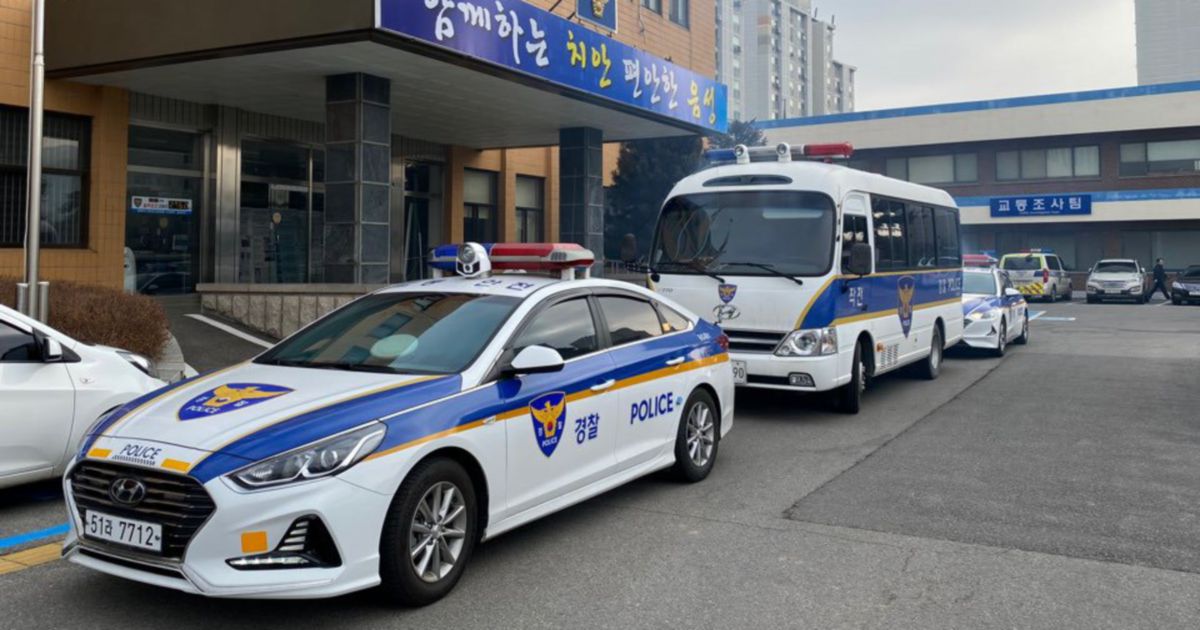
A tragic incident unfolded in South Korea's North Chungcheong Province in the early hours of Sunday morning when a Malaysian national was killed during a fierce street altercation that drew in multiple foreign groups. The deadly encounter marks another cautionary episode for Malaysians abroad, highlighting the risks of escalating physical confrontations, particularly in unfamiliar settings where cultural and language barriers can complicate de-escalation efforts.
According to reports from South Korean authorities, the brawl involved at least two distinct groups of foreigners, suggesting a more complex situation than a simple interpersonal dispute. The exact circumstances that sparked the initial conflict remain under investigation, though early accounts indicate the confrontation quickly spiralled into serious violence. Local emergency responders arrived at the scene, but the Malaysian victim succumbed to his injuries despite medical intervention efforts.
The gravity of the situation intensified when South Korean police announced the arrest of another Malaysian in connection with the fatal incident. Investigators are working to establish the precise sequence of events and determine individual culpability within the chaotic scene. The detained Malaysian faces a tense legal process in a foreign jurisdiction where he may encounter unfamiliar criminal procedures and language barriers that could significantly impact his case.
This incident underscores a recurring concern for Malaysian authorities and the broader diaspora community abroad. Street violence involving foreign nationals in South Korea, while not epidemic, does occasionally result in serious injuries or fatalities. The country's enforcement of assault and homicide laws is stringent, and foreigners involved in violent crimes typically face serious charges that can result in substantial prison sentences.
For Malaysian families with relatives working or studying in South Korea, the tragedy serves as a sobering reminder of personal safety obligations. The North Chungcheong Province, which encompasses industrial and residential areas attracting migrant workers and students alike, requires heightened awareness regarding late-night outings and situations where alcohol consumption may impair judgment. Malaysians working or studying in the region should exercise particular caution in areas frequented by large gatherings of foreign nationals, where misunderstandings can rapidly escalate.
The Ministry of Foreign Affairs has likely already engaged with Malaysian diplomatic missions in South Korea to provide consular assistance to the victim's family and the arrested individual. The Malaysian Embassy in Seoul typically coordinates with local authorities to ensure that nationals facing legal proceedings receive appropriate representation and that families are informed throughout investigation and judicial processes. Such cross-border incidents require careful diplomatic handling to balance justice system cooperation with advocacy for Malaysian interests.
South Korea's legal framework treats violent offences with considerable seriousness, particularly cases resulting in death. The Korean justice system will conduct a thorough investigation to determine whether charges constitute assault leading to death, involuntary manslaughter, or more serious offences depending on evidence regarding intent and the extent of participation by the arrested Malaysian. The outcome of this case could carry significant penalties, potentially including multi-year imprisonment.
The broader context reveals that while South Korea remains a relatively safe destination for Malaysian workers and students compared to certain other nations, the transient population dynamics can create friction points. Accommodation-sharing arrangements common among foreign workers, economic disparities, cultural misunderstandings, and social pressures can occasionally crystallise into conflict. Weekend social activities involving alcohol in unfamiliar settings compound these risks, particularly when group dynamics amplify individual tension.
Malaysian authorities and community leaders should consider using this incident as an opportunity to reinforce safety messaging through diplomatic channels and community organisations. Outreach programmes targeting Malaysians in South Korea, particularly those in provinces beyond Seoul, could highlight conflict avoidance strategies, the severe consequences of engaging in violence abroad, and the importance of seeking help through official channels rather than self-help measures when problems arise.
The victim's family now faces the ordeal of repatriating their loved one's remains and mourning across geographical distance, whilst navigating potential claims regarding liability or insurance. The incident also raises questions about the circumstances that brought two distinct groups of foreigners into contact on a Sunday morning—whether social gathering, workplace-related, or housing-related tensions triggered the confrontation.
For the arrested Malaysian, the coming weeks and months will determine the trajectory of his life, as South Korean courts evaluate evidence and render judgment. Legal representation will prove crucial in navigating a system where language fluency, cultural familiarity with courtroom procedures, and documentary evidence assume heightened significance. The case illustrates how quickly foreign nationals can find themselves ensnared in serious criminal liability when circumstances spiral beyond control.
The tragic death underscores the paramount importance of conflict avoidance and de-escalation strategies. Malaysians abroad should remember that reputational consequences, personal safety, and legal jeopardy compound exponentially when physical altercations occur. The incident will likely resonate throughout Malaysian expatriate communities in South Korea, serving as a cautionary narrative about the irreversible consequences of street violence and the importance of exercising restraint even when provoked or threatened.

