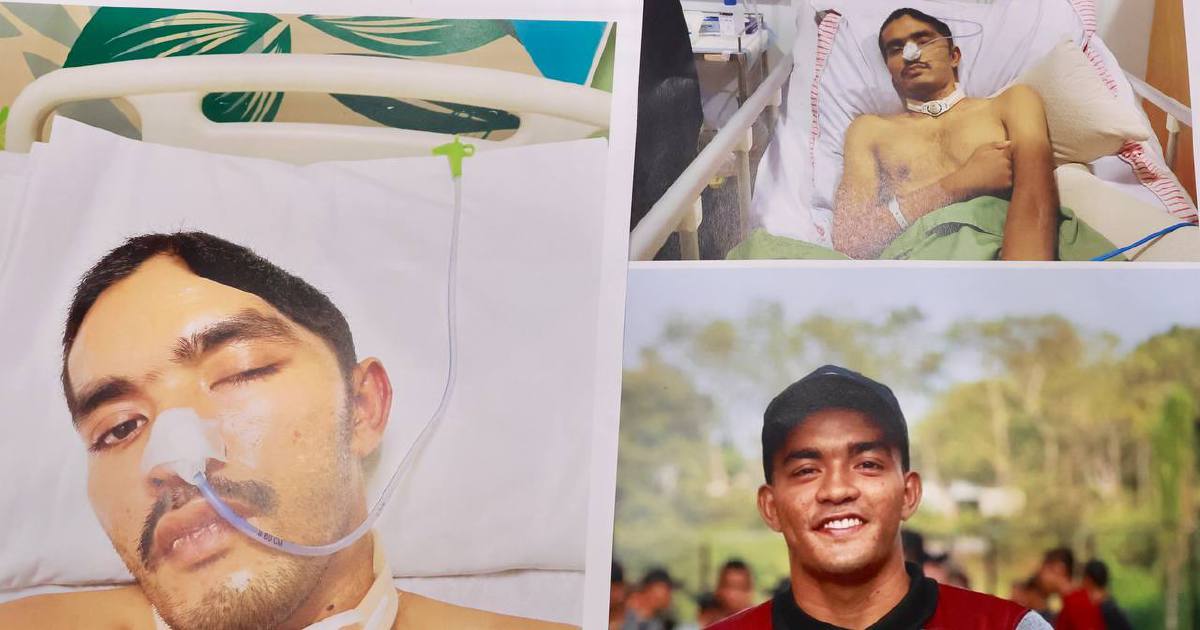
The Malaysian Army announced the completion of its internal inquiry into a March incident at its Johor military camp that resulted in severe injuries to a serving commando. The disciplinary process is already in motion against personnel implicated in the matter, underscoring the armed forces' commitment to accountability mechanisms and operational safety standards within its ranks.
The investigation, which examined circumstances surrounding the injury incident, has concluded its fact-finding phase. While specifics regarding the exact nature of the incident remain under internal military review protocols, the completion of the probe signals that the army has gathered sufficient evidence to proceed with formal action against those held responsible. The move reflects standard military procedure in Malaysia, where internal investigations precede any disciplinary measures.
Dismissals are now actively proceeding as a consequence of the investigation's findings. This represents a significant personnel consequence within Malaysia's defence establishment, particularly given that such measures typically apply only when investigation outcomes reveal serious lapses in duty, safety protocols, or professional conduct. The implementation of dismissals demonstrates the army's expectation that commanding officers and personnel maintain stringent standards during training and operational activities.
The Johor military camp, one of several significant defence installations across Peninsular Malaysia, has been subject to heightened scrutiny following the March incident. Such facilities typically house various military units and training programmes, including commando and special operations training. The injury to a serving commando raises broader questions about the adequacy of safety measures, supervision protocols, and risk management procedures implemented during advanced military training exercises.
For Malaysian military personnel and their families, the conclusion of this investigation and subsequent disciplinary action will likely reinforce concerns about workplace safety and duty of care within the armed forces. The incident serves as a reminder that even within disciplined military environments, lapses can occur with serious consequences. The army's willingness to pursue dismissals suggests that negligence or deliberate misconduct, rather than accident alone, contributed to the commando's injuries.
The incident reflects broader regional contexts, where Southeast Asian militaries frequently grapple with balancing rigorous training demands against adequate personnel protection. Malaysia's approach to investigating and disciplining personnel involved in such incidents positions it within a framework of institutional accountability that extends across the defence sector. This investigative closure may inform future protocols and training methodologies across Malaysian military units.
Commando training programmes inherently carry elevated risk profiles compared to standard military instruction. These specialised units undergo intensive physical and tactical preparation designed to develop elite capabilities. However, the transition from demanding training to actual injury indicates potential gaps between theoretical safety standards and practical implementation. The dismissals proceeding underscore that such gaps—when attributable to personnel conduct—warrant serious institutional consequences.
The completion of the investigation also carries implications for military leadership and command structures. When inquiries result in dismissals, the findings typically implicate supervisory failings alongside direct misconduct. This suggests that not only individual personnel but also elements of command responsibility may have contributed to circumstances permitting the commando's injury. Malaysian military hierarchy emphasises command accountability, making leadership assessments central to such investigations.
Public confidence in Malaysia's defence institutions depends partly on transparent handling of internal incidents and proportionate disciplinary responses. While full investigation details remain restricted under military security protocols, the announcement of the probe's completion and disciplinary action demonstrates that the institution has treated the matter with appropriate seriousness. This transparency regarding outcomes, if not all procedural details, helps maintain institutional credibility.
Looking forward, this incident and its resolution may catalyse review of safety protocols across Malaysian military training programmes. Commando units represent elite personnel investments; serious injuries affecting such personnel typically prompt comprehensive assessments of training methodologies, equipment standards, and supervision practices. The army may implement procedural reforms to prevent recurrence of similar circumstances.
For the injured commando, the investigation's conclusion opens possibilities for compensation claims and medical support through military welfare mechanisms. Malaysian armed forces maintain provisions for personnel injured during service, though the specifics depend on circumstances of injury determination. The investigation's findings regarding causation will directly influence the nature and extent of support available.
The dismissals proceeding also signal institutional expectations regarding standards. Malaysian military culture emphasises discipline and accountability; personnel facing dismissal will experience formal legal and administrative processes within military law frameworks. Such outcomes carry career-ending implications within Malaysia's defence sector and may extend to employment prospects in related fields requiring security clearances.
As the matter progresses through disciplinary phases, the broader military community will monitor outcomes closely. The incident and response mechanisms establish precedents regarding what level of lapse warrants dismissal versus other disciplinary measures. For Malaysia's armed forces and personnel at all levels, the conclusion of this investigation underscores that institutional accountability extends to all ranks and that safety responsibilities are taken seriously within the defence establishment.

