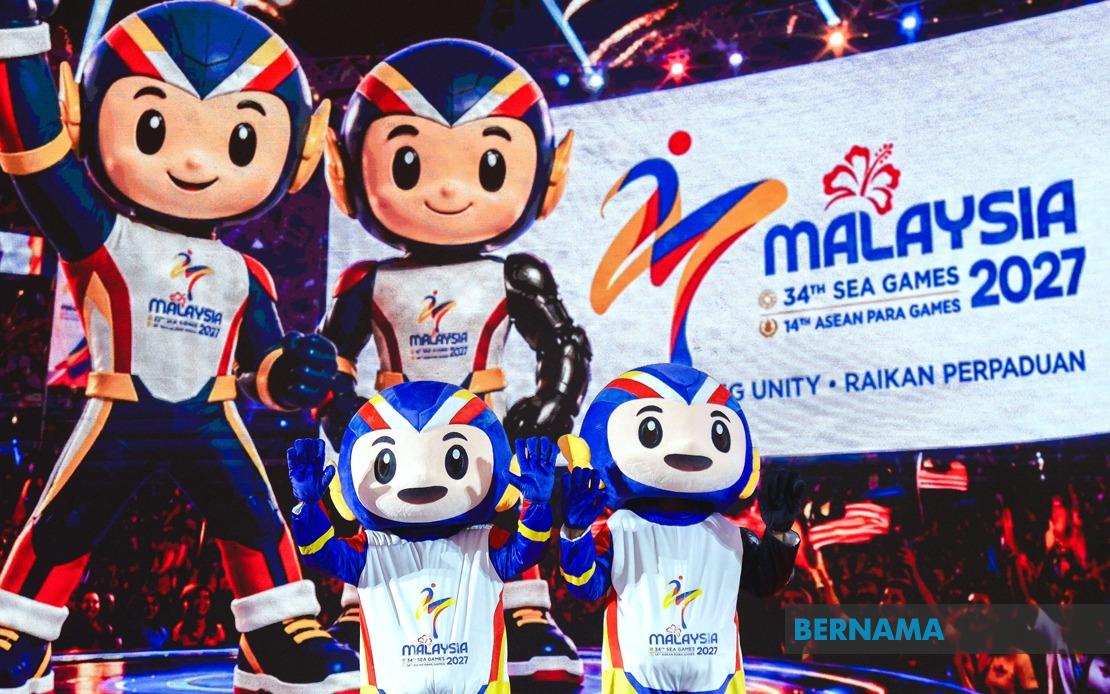
Malaysia has officially presented 'Celebrating Unity' as the unifying theme for the 2027 SEA Games and ASEAN Para Games, marking a significant milestone in the nation's preparations to host one of Asia's largest sporting spectacles. The announcement was made by Youth and Sports Minister Dr Mohammed Taufiq Johari during a ceremony in Putrajaya, setting the tone for what organisers envision as a transformative event for regional sport.
The selection of 'Celebrating Unity' carries profound significance for a diverse Southeast Asian region, emphasising the common values that bind member nations together through athletic competition. Rather than focusing narrowly on sporting excellence, the thematic approach underscores the organisers' commitment to leveraging the Games as a platform for fostering regional solidarity and mutual understanding. Dr Mohammed Taufiq articulated this vision by highlighting how the theme would serve as a rallying point for athletes to transcend their individual limitations and pursue excellence, transforming the Games into something beyond mere medal tallies.
Accompanying the theme is Tuah, the Games' official mascot, which represents a deliberate departure from the animal-centric mascot traditions that have characterised previous Southeast Asian Games editions. Instead of relying on fauna imagery, organisers have opted for a humanoid figure embodying the characteristics of a contemporary hero—dynamic, approachable, and confident. This strategic choice reflects Malaysia's attempt to create a mascot that resonates more broadly with modern audiences while maintaining cultural authenticity and relevance to the host nation's sporting ambitions.
The visual identity of Tuah incorporates the colours of the Jalur Gemilang, Malaysia's national flag, a deliberate design element intended to cultivate national pride among competitors and spectators alike. This integration of national symbolism into the mascot reinforces the Games' aspirational goal of uniting the region while simultaneously anchoring the event firmly within Malaysia's cultural and national identity. By embedding national imagery into the Games' primary symbol, organisers signal that hosting represents not merely a logistical undertaking but a moment of collective national pride and achievement.
Dr Mohammed Taufiq expressed optimism that Tuah would function as a symbolic catalyst for Malaysian sporting success, hoping the mascot might serve as a cultural talisman as the nation pursues its objective of becoming overall champions on home soil. This sentiment, while perhaps lighthearted in tone, reflects the genuine competitive aspirations underpinning Malaysia's hosting of the Games. The significance of achieving overall championship status cannot be overstated—it would represent validation of Malaysia's sporting infrastructure, training systems, and athletic development programmes at the regional level.
Infrastructural preparations are advancing according to government officials, with sporting venues distributed across four distinct geographical clusters spanning Sarawak, Penang, Johor, and Kuala Lumpur. This dispersed hosting model is unprecedented in SEA Games history and presents both logistical opportunities and challenges. According to Dr Mohammed Taufiq, facility development has progressed without notable complications, though organisers have shifted their attention toward technical specifications and operational readiness to ensure all venues perform optimally during competition periods. This calibrated focus on technical refinement suggests that while construction and basic facility delivery remain on schedule, the complex coordination required to synchronise venues across multiple states remains an ongoing priority.
The National Sports Council has established an ambitious target whereby 70 per cent of Malaysian athletes competing at Asian-level competitions should achieve podium finishes by year's end. This performance benchmark serves a dual purpose: it functions both as a metric for assessing Malaysia's international competitiveness and, more strategically, as a predictor of the nation's championship prospects at the 2027 Games. NSC director-general Jefri Ngadirin has framed this target as integral to forecasting whether Malaysia possesses the athletic depth and quality necessary to dominate the Games across multiple sports disciplines.
The Games will span nearly six weeks across September and October 2027, with the main SEA Games running from September 18 to 29, followed immediately by the ASEAN Para Games from October 17 to 23. This extended schedule creates both expanded opportunities for competition and amplified demands on hosting infrastructure, security, and operational personnel. The immediate succession of able-bodied and para-sport competitions underscores Southeast Asia's commitment to inclusive sporting excellence, though the compressed timeframe leaves little room for venue reconfiguration between the two events.
For Malaysian readers, the Games represent a rare opportunity to witness world-class regional sporting competition without international travel, while simultaneously providing a platform for showcasing national capabilities in hosting large-scale international events. The dispersal of venues across four clusters may position secondary cities like George Town and various Sarawakian locations to benefit from facility upgrades and tourism exposure that typically accompany Games preparation. Beyond immediate sporting and economic considerations, Malaysia's successful hosting could strengthen its positioning within ASEAN and demonstrate administrative capacity for future international undertakings.

